
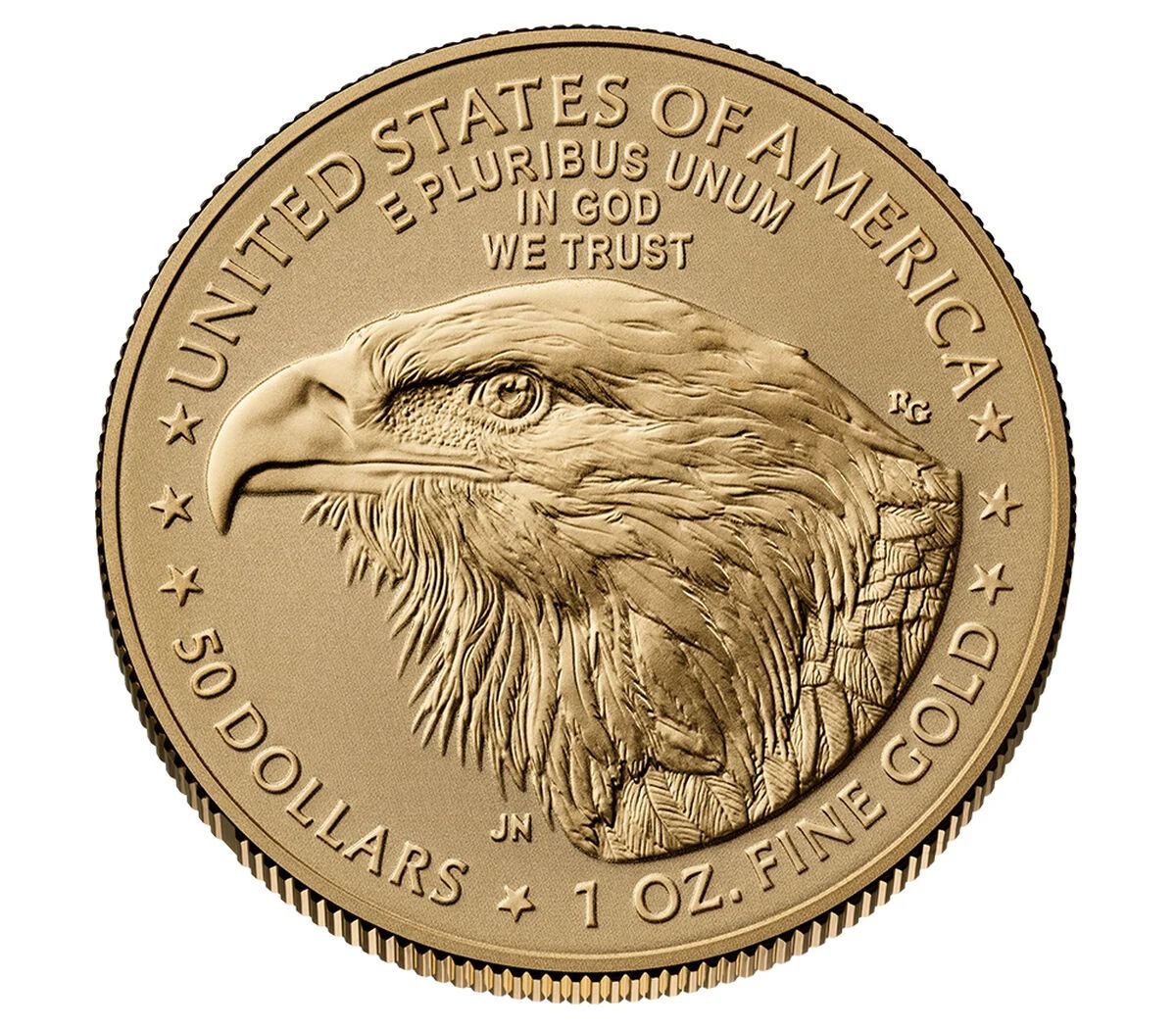
The launch of a $5,370 one-ounce gold coin by the U.S. Mint is less about numismatics and more about a signal. At a time when gold prices remain elevated and macroeconomic uncertainty persists, demand for tangible, scarcity-driven assets continues to deepen across both retail and institutional segments.
On May 28, the U.S. Mint introduced the 2026-W Enhanced Uncirculated American Gold Eagle, a limited-edition release capped at 7,500 units. Within days, availability tightened, with prospective buyers redirected to waitlists. The coin commemorates the 250th anniversary of U.S. independence, but its strategic relevance extends well beyond symbolism.
This is not simply a collector’s item. It reflects a broader shift in capital allocation, where investors increasingly blend heritage assets with portfolio strategy, positioning gold not just as a hedge, but as a statement of long-term conviction.
A Scarcity Play in a Liquid World
The most immediate differentiator is supply. With just 7,500 coins minted, the U.S. Mint is effectively engineering scarcity in a market otherwise defined by liquidity.
Gold, by nature, is highly tradable. Yet this release introduces constraints more typical of private equity or fine art markets.
Insight:
- Gold spot prices have remained structurally elevated in recent years.
- Physical gold demand continues to rise, particularly among high-net-worth investors.
- Limited-edition sovereign coins often trade at premiums above intrinsic metal value.
That changes the equation.
Investors are no longer buying gold purely for price appreciation. They are buying layered value: metal content, sovereign backing, historical significance, and controlled supply.
Key implications:
- Scarcity enhances pricing power beyond commodity benchmarks
- Secondary market premiums become more likely
- Collectibility introduces non-linear return potential
Pricing Above Metal Value: Strategic or Symbolic?
At $5,370 per coin, pricing materially exceeds the intrinsic value of one ounce of gold. This premium is intentional.
The U.S. Mint is not competing with bullion dealers. It is positioning the product within a hybrid category: part asset, part artifact.
Narrative meets economics here.
The coin is composed of 91.67% gold, with the remainder in silver and copper, consistent with the American Gold Eagle standard. However, the added value derives from:
- Enhanced uncirculated finish using laser-frost and matte contrast technology
- A one-year-only release tied to a historic national milestone
- Anti-counterfeit features such as variable reeding
- Presentation packaging aligned with luxury collectibles
From a capital allocation perspective, this pricing strategy aligns with broader trends seen in alternative assets, where provenance and narrative drive valuation alongside fundamentals.
Wealth Preservation in a Fragmented Macro Environment
Gold’s role in portfolios has evolved. It is no longer just a hedge against inflation. It is increasingly viewed as a hedge against systemic fragmentation.
Consider the backdrop:
- Ongoing geopolitical tensions
- Shifting trade policy frameworks
- Supply chain diversification away from concentrated hubs
- Rising fiscal pressures across major economies
These dynamics reinforce demand for assets that sit outside traditional financial systems.
Takeaways:
- Gold remains a non-correlated asset in volatile markets
- Sovereign-minted coins add an additional layer of trust and authenticity
- Limited editions introduce asymmetric upside potential
For family offices and UHNW investors, such instruments offer both portfolio resilience and intergenerational value transfer.
Design as a Strategic Asset
The coin’s design is not incidental. It is central to its positioning.
The obverse features Augustus Saint-Gaudens’ iconic Liberty figure, paired with dual dates “1776–2026” and a Liberty Bell privy mark inscribed with “250.” The reverse presents a detailed eagle, reinforcing themes of strength and continuity.
Design, in this context, functions as branding.
It transforms a commodity into a narrative asset, aligning with how luxury markets operate. Similar dynamics are visible in high-end watches, rare wines, and collectible art.
Insight:
- Branded scarcity assets often outperform generic equivalents over time
- Historical linkage increases perceived long-term value
- Emotional resonance influences buyer behavior alongside financial logic
This is where markets intersect with psychology.
The Rise of Tangible Alternatives
The broader trend is clear: tangible assets are regaining relevance.
In an era dominated by digital financial instruments, physical ownership carries renewed appeal. This is particularly evident among investors seeking diversification beyond equities, bonds, and digital assets.
Key drivers:
- Volatility in public markets
- Concerns over currency debasement
- Increased interest in alternative investments
- Portfolio diversification mandates among institutional allocators
Gold coins, especially limited sovereign issues, sit at the intersection of these forces.
They are portable, globally recognized, and insulated from many forms of counterparty risk.
Supply Chains, Sovereignty, and Symbolism
There is also a geopolitical dimension.
Sovereign mints operate within national frameworks, making their products extensions of state credibility. In an environment where supply chains and industrial policy are increasingly politicized, this matters.
The coin’s production at West Point underscores domestic capability and institutional continuity. It is a subtle but powerful signal of economic sovereignty.
Takeaways:
- Sovereign-backed assets carry embedded trust
- Domestic production aligns with broader reshoring narratives
- National symbolism enhances global market appeal
For global investors, this combination of credibility and scarcity is compelling.
Secondary Market Dynamics
While the initial offering price is fixed, the real story may unfold in secondary markets.
Historically, limited-run coins with strong thematic relevance tend to appreciate beyond their issuance price, particularly when initial demand exceeds supply.
Factors influencing future value:
- Gold price trajectory
- Collector demand and market sentiment
- Rarity and condition of individual coins
- Broader macroeconomic conditions
This introduces optionality.
Unlike standard bullion, which tracks commodity prices closely, collectible coins can decouple from gold’s spot price, creating differentiated return profiles.
Key Insights and Takeaways:
- Limited supply of 7,500 coins creates engineered scarcity and potential premium pricing
- $5,370 price reflects narrative and collectibility, not just gold content
- Demand signals growing investor shift toward tangible, non-correlated assets
- Sovereign minting enhances trust amid global economic fragmentation
- Secondary market dynamics may unlock asymmetric returns beyond gold prices
FAQs
What makes this coin different from standard gold bullion?
It combines gold value with limited-edition scarcity, historical significance, and enhanced design features, creating potential for premium pricing beyond metal value.
Why is the price significantly above gold’s market rate?
The premium reflects collectibility, production quality, and limited supply rather than just the intrinsic value of the gold.
Who is the target buyer for this release?
High-net-worth individuals, collectors, and investors seeking diversification into tangible and scarcity-driven assets.
Will the coin appreciate in value?
While not guaranteed, limited-edition sovereign coins often gain value in secondary markets, especially when demand exceeds supply.
How does this fit into a broader investment strategy?
It serves as a hybrid asset offering wealth preservation, diversification, and potential upside through collectibility.
A Subtle but Clear Signal
The U.S. Mint’s latest release is not an isolated event. It is part of a broader reorientation in how wealth is stored, signaled, and transferred.
In a world of increasing complexity, investors are gravitating toward assets that offer clarity: finite supply, intrinsic value, and enduring relevance.
Gold has always played that role. What is changing is how it is packaged, priced, and positioned.
This coin captures that evolution with precision.
Have you read?
Global Human Prosperity Index: Best Countries in the World.
Ranking: Top Fashion Design Schools Worldwide.
Top Global Business Schools Every Executive Knows.
Top Hospitality Management Programs in the World.
Ranking: Countries With the Lowest Obesity Rates.












Leave a comment