
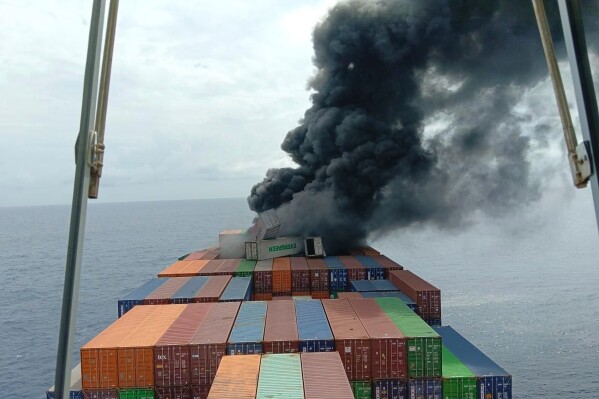
Rising geopolitical tensions are turning war from a distant threat into a tangible business risk for Indian companies exposed to global trade, shipping and supply chains. With conventional insurance policies largely excluding war-related losses, businesses need to reassess specialised war, marine war, political violence and political risk covers to strengthen resilience against an increasingly uncertain global environment.

Sudhish Ramteke, Associate Director, Property & Engineering, Anand Rathi Insurance Brokers
Lessons from the Russia–Ukraine War and the US–Iran Conflict
Geopolitical conflicts are no longer distant events with limited regional impact. The Russia–Ukraine war and the recurring military tensions involving the United States and Iran have demonstrated how quickly armed conflicts can disrupt global trade, energy supplies, logistics, financial markets and business operations.
For Indian businesses that depend on international trade, overseas investments or global supply chains, War risk has become an important enterprise risk that deserves greater attention.
Unlike conventional operational risks, losses arising from war can be catastrophic and widespread. Manufacturing facilities may be destroyed, ports shut down, vessels detained, aircraft grounded, and supply chains severely disrupted. Such large-scale losses are beyond the scope of traditional insurance products, which is why most standard insurance policies worldwide specifically exclude war-related risks.
Why is War Excluded from Standard Insurance?
Property, engineering, motor, liability and marine insurance policies generally contain a War Exclusion Clause, excluding losses arising from war, invasion, civil war, rebellion, revolution, military action or hostile acts. The rationale is simple, War can trigger simultaneous losses across thousands of insured assets, making it impossible for insurers to accurately assess or diversify the risk.
Consequently, businesses exposed to geopolitical risks must purchase specialised insurance covers where appropriate.
Global Conflicts and its Insurance Impact
The Russia–Ukraine conflict has resulted in extensive damage to industrial facilities, ports, cargo, vessels and aviation assets. It has also led to economic sanctions, disruption of trade routes and unprecedented claims under aviation, political risk and marine insurance policies.
Similarly, repeated military confrontations involving the US and Iran have heightened risks in the Persian Gulf and the Strait of Hormuz – one of the world’s busiest energy corridors through which nearly one-fifth of global oil supplies pass. Escalating tensions have led to missile attacks, vessel seizures, drone strikes and sharp increases in marine war-risk insurance premiums.
These developments have reinforced an important lesson: geopolitical conflicts can have immediate financial consequences even for businesses located thousands of kilometres away.
Why Indian Businesses Should Be Concerned
India imports substantial quantities of crude oil, LNG, fertilisers, chemicals, machinery and electronic components through shipping routes passing via the Strait of Hormuz, the Red Sea and the Suez Canal. Any disruption in these corridors can increase freight costs, insurance premiums and delivery timelines while impacting production schedules and working capital.
Industries particularly exposed include:
• Oil & Gas
• Shipping and Logistics
• Ports
• Pharmaceuticals
• Chemicals
• Engineering & Infrastructure
• Fertilisers
• Export-oriented manufacturing
For such businesses, reviewing insurance protection against geopolitical risks has become increasingly important.
War Risk Insurance Solutions Available in India
Although standard policies exclude war, several specialised insurance solutions are available in the Indian market.
War Risk Cover for Property Insurance – Standard Property Insurance policies in India, including Fire and Industrial All Risks (IAR) policies, specifically exclude losses arising from war, invasion, civil war, rebellion, revolution, military action and other hostile acts.
However, businesses with assets located in politically sensitive regions or those exposed to overseas geopolitical risks may be able to obtain War Risk Insurance through specialised international insurance markets, subject to underwriting and availability. Such cover can protect physical assets such as buildings, plant and machinery, warehouses and other fixed assets against damages resulting directly from acts of war or armed conflict.
Recognising the growing geopolitical uncertainties and the limitations of conventional property insurance in India, New India Assurance has introduced New India Standalone War Insurance, a first-of-its-kind product in the Indian market that provides dedicated protection for physical assets against war-related perils.
Thus given the limited capacity and evolving geopolitical landscape, organisations with significant overseas exposures should periodically review their property insurance programme to assess the need for dedicated war risk protection.
Marine Cargo War Risk Insurance is the most common cover for importers and exporters. It protects cargo in transit against losses arising from war, civil war, hostile acts, missile attacks, capture and seizure. This cover is generally purchased as an extension to marine cargo insurance.
Marine Hull War Insurance protects ships and other vessels against damage caused by war, mines, missile attacks, capture and detention. Shipowners operating in high-risk waters often purchase this cover separately from standard hull insurance.
Aviation War Risk Insurance provides protection against war, hijacking, sabotage and related liabilities for aircraft operators.
Political Violence Insurance extends protection against strikes, riots, civil commotion, insurrection and malicious damage, particularly for businesses operating in politically sensitive regions.
Political Risk Insurance is designed for companies with overseas investments and protects against risks such as expropriation, nationalisation, currency inconvertibility, political violence and contract frustration.
It is equally important to note that terrorism insurance is not the same as war insurance. In India, terrorism cover is available through the Terrorism Insurance Pool as an extension to property policies, but it does not automatically cover losses arising from war or military conflict.
Beyond Insurance : Building Business Resilience
Insurance is only one part of an effective geopolitical risk management strategy. Organisations should also strengthen operational resilience by diversifying suppliers, identifying alternate shipping routes, increasing inventory buffers for critical materials, reviewing force majeure clauses in commercial contracts, monitoring geopolitical developments and ensuring compliance with international sanctions.
For Indian corporates with global operations, international trade or overseas investments, understanding the limitations of standard insurance policies and evaluating specialised war risk, marine war, political violence and political risk insurance is no longer optional—it is an essential component of sound enterprise risk management.
As geopolitical uncertainty continues to shape global commerce, businesses that proactively review their risk transfer strategies will be far better positioned to navigate future disruptions. Regular review of insurance programmes is equally important to ensure that policy limits, extensions and exclusions remain aligned with the organisation’s evolving risk profile.














Leave a comment