
Key Takeaways
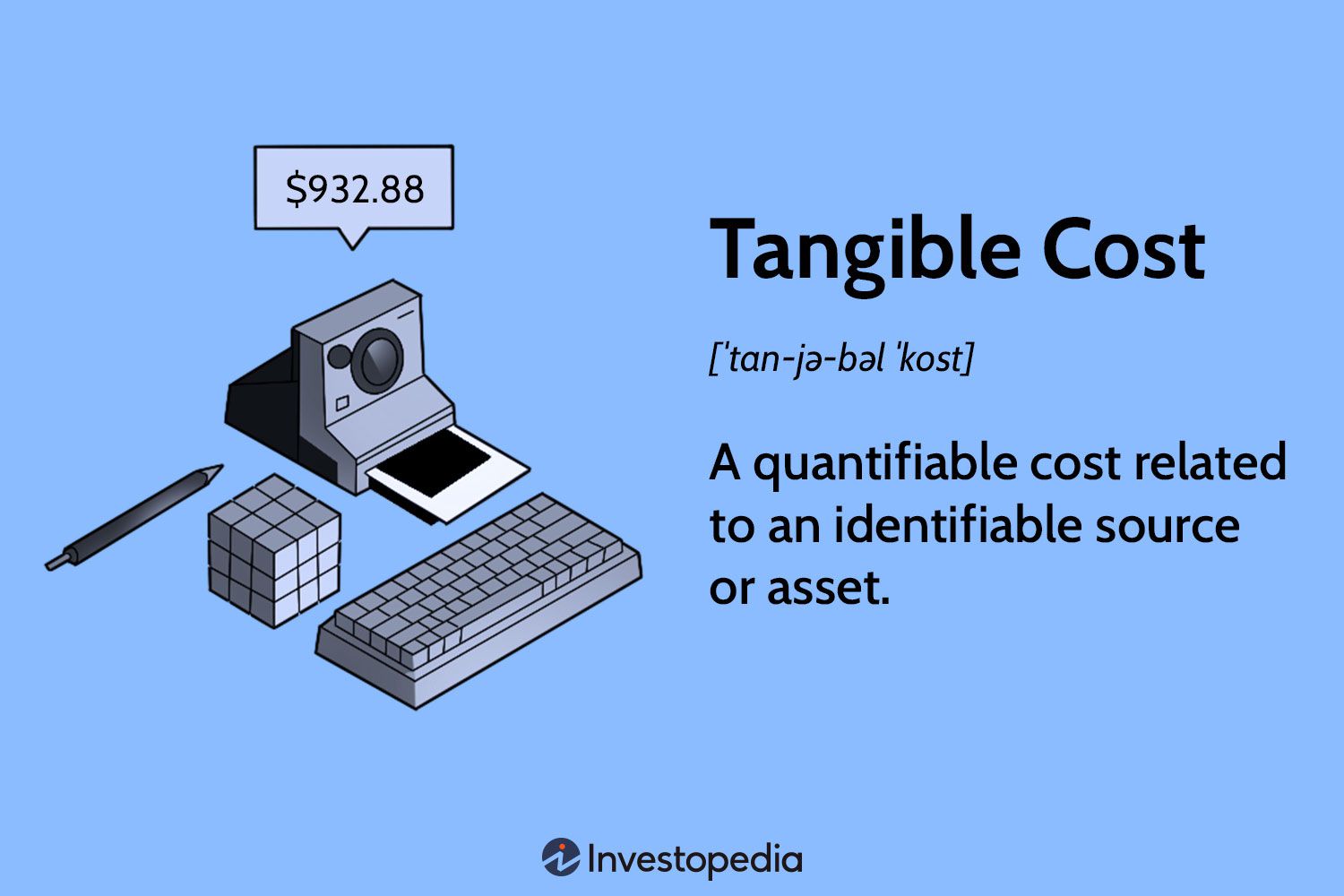
- Tangible costs are quantifiable expenses tied to a specific source or asset.
- Examples of tangible costs include employee wages, inventory, and equipment.
- Intangible costs aren’t tied to physical items but affect morale or brand reputation.
- Estimating both tangible and intangible costs is crucial in cost-benefit analysis.
- Underestimating tangible costs can reduce profits, while overestimating might avoid opportunities.
Get personalized, AI-powered answers built on 27+ years of trusted expertise.
What Is a Tangible Cost?
A tangible cost is a quantifiable expense tied to a specific, measurable asset or activity, such as equipment purchases or raw materials. In contrast, intangible costs, like reputational damage or reduced employee morale, are harder to measure but still affect a business. Recognizing both types of costs is important when weighing decisions and conducting cost-benefit analyses.
Breaking Down Tangible Costs in Business
Tangible costs represent expenses that are clearly tied to the item generating the expense. Some examples of tangible costs include:
- Paying employee wages
- Inventory
- Computer systems
- Assets such as equipment, land, or a new factory
- Renting or leasing equipment
Comparing Tangible and Intangible Costs
Tangible Costs
Tangible costs are often associated with items that also have related intangible costs. A tangible cost is the money paid to a new employee to replace an old one. An intangible cost is the knowledge the old employee takes with them when they leave.
Intangible Costs
An intangible cost consists of a subjective value placed on a circumstance or event in an attempt to quantify its impact. Although intangible costs are more difficult to quantify, they have a real, identifiable source.
Intangible costs can include:
- A fall in employee morale
- Damage to a company’s reputation or brand
- Customer dissatisfaction
- Loss of intellectual capital following employee layoffs
Important Factors to Consider With Tangible Costs
While intangible costs do not have a concrete value, managers often attempt to estimate the impact of the intangibles since they can have a real effect on productivity, costs, and a company’s bottom line.
In doing a cost-benefit analysis, company executives estimate both the tangible and intangible costs before moving forward with changes or a new direction. The tangible costs factor heavily in making decisions involving large fixed assets such as production machinery or a new factory. Underestimating a tangible cost can lead to lower profits while overestimating tangible costs might lead to avoiding a potentially lucrative avenue.
Real-World Examples of Tangible Costs
For example, let’s examine the costs associated with a customer who has received broken merchandise. The company would refund the value of the product to the customer, paying a tangible cost. If the customer is still upset over the event, however, it may prompt the customer to complain about the poor service to friends. The potential loss of sales, resulting from the friends hearing the complaints, consists of an intangible cost relating to the broken merchandise.
Another example of tangible and intangible costs is when companies invest in new technologies. A tangible cost might be the machine that a company purchases. However, the intangible cost is the lost experience and potential lower employee morale from laying off the employee that the machine replaced.
The Bottom Line
Tangible costs are measurable expenses tied to specific assets or resources, while intangible costs, such as morale, or reputation, are harder to quantify but still influential. Both types matter in cost-benefit analyses, helping businesses make informed decisions and manage risks more effectively.












Leave a comment