
“We decided, why take the volatility risk and have it capped at return? We might as well go into the equity markets. . . . We waited a couple of years and the results are there. It should be rewarding nicely over the next couple of years.”
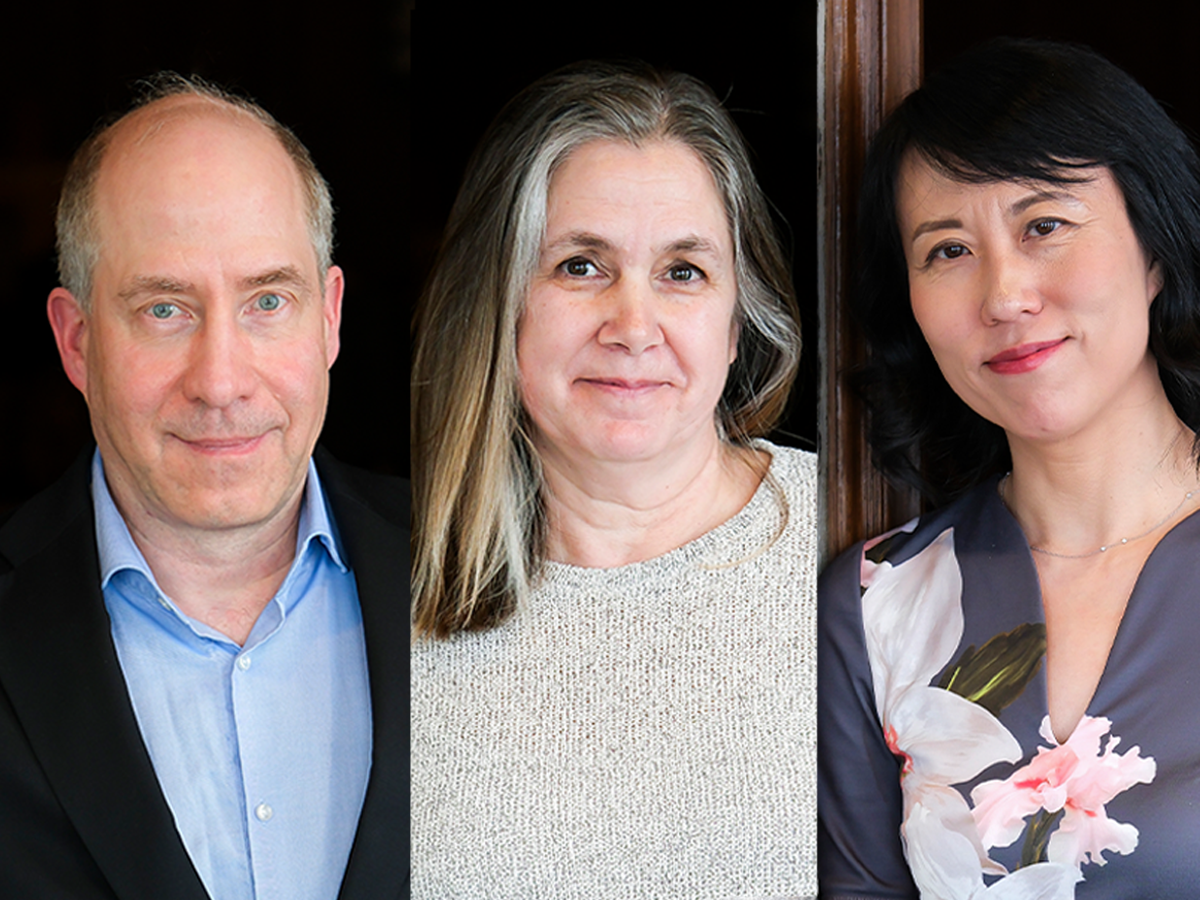
Also speaking on the panel, Michelle Hannen (pictured centre), director of the pension office at the University of Manitoba, said the organization undertook an asset liability study in 2024 and subsequently changed up its asset mix. Since March 2026, it has devoted 38 per cent of its portfolio to global equity. “We’re hoping to capture some of this future growth that seems to be out there.”
Discussing the impact of geopolitics and deglobalization on EMs, Gauvin suggested the asset class will make its way through this period because it represents the growth to come in the next decade. “Whether they trade more in between them or more with the developed markets, it’s still going to be a good place to be in terms of taking equity risk.”
Hannen agreed, noting these threats are viewed more as a reconfiguration, with both the opportunities and complexities that come along with that. “From our pension plan perspective, it’s just having a more disciplined, selective process as we go into these investment choices.”
Read: Deglobalization movement pushing emerging markets to increase collaboration: expert
Alongside the rise of the isolationist and protectionist trend spearheaded by the U.S., other countries — like China — are managing their relationships with the U.S. while also lowering or eliminating tariffs with many of the countries in the Global South and expanding trade with other countries, said Jia Wang (pictured right), senior fellow at the University of Alberta’s China Institute and senior fellow at the Asia Pacific Foundation of Canada.
“China is still trying to support, ironically, this international order multilateralism. And that’s, in a way, not too far from Canada’s point of view of supporting our existing international system, but also the multilateralism that form a little bit of a base for the two countries to reset and work out and improve that relationship.”
Ultimately, Hannen noted the University of Manitoba’s pension funds remain positive about EMs moving forward, despite some expected dispersion and volatility. “For us, it’s about maintaining the exposure we recently gained and then measuring it and being very disciplined about adding the right exposure at the right time.”
While stock markets will always see upwards and downwards trends, the equity premium will be there in the long run, even with geopolitical risk, said Gauvin, noting he’s expecting EMs to do better over the mid and long term. “Especially with the valuation right now and the long-term cyclical trend, I think there’s more room in emerging markets — and pretty much good conditions for that to happen.”
Read more coverage of the 2026 Global Investment Conference.













Leave a comment