

Highlights
- Diversified assets help Canadian Natural Resources navigate crude volatility.
- Operational efficiency supports resilient margins across changing market conditions.
- Capital discipline remains central to long-term cash flow strategy.
Canadian Natural Resources combines extensive oil sands, conventional petroleum and natural gas operations, while production efficiency, market access and disciplined capital deployment continue shaping its position within Canadas energy sector.
Canadian Natural Resources
(TSX:CNQ)
Canadian Natural Resources Ltd (TSX:CNQ)
66.61
CAD
+0.290
0.437%
Last Updated at: 2026-08-12T18:44:00Z
, one of Canadas largest integrated energy producers, continues to command attention as commodity markets navigate changing supply conditions, geopolitical uncertainty and evolving demand expectations. Its extensive oil sands, conventional petroleum and natural gas portfolio gives the company a distinctive position within the S&P/TSX Composite Index, while its scale keeps it prominent among TSX Energy Stocks. Beyond movements in crude markets, operational efficiency, production reliability and disciplined capital deployment are becoming increasingly important parts of the Canadian Natural Resources story.
Scale Provides Important Operating Flexibility Today
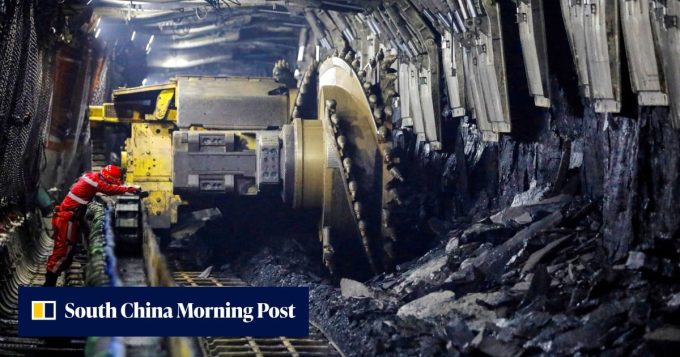
Canadian Natural Resources has built a broad production platform spanning oil sands mining, thermal operations, conventional crude and natural gas.
This diversity can provide valuable operating flexibility because different assets respond differently to commodity conditions. Rather than depending on one production stream, the company can draw cash flows from several areas of the energy market.
Its oil sands assets represent an especially important part of the portfolio. These operations generally have long reserve lives and comparatively modest natural production declines once major infrastructure has been developed.
That characteristic can provide greater visibility around future production compared with assets that require frequent drilling merely to maintain output.
Conventional operations complement the oil sands portfolio by providing different development timelines and capital requirements. Natural gas exposure adds another layer of diversification, helping reduce dependence on a single commodity market.
Together, these assets create a production base capable of operating through a range of energy-market environments.
Oil Sands Support Long-Term Production Stability
Long-life oil sands operations remain central to Canadian Natural Resources competitive positioning.
Unlike shorter-cycle production assets, established oil sands projects can continue producing for extended periods. While initial development requires significant capital, mature operations may require relatively less investment simply to sustain existing production.
That dynamic can become particularly valuable when commodity prices fluctuate.
Stable production does not eliminate exposure to crude pricing, but it can give management greater flexibility over discretionary development spending. When energy markets strengthen, additional cash generation can support development opportunities, balance-sheet priorities and shareholder distributions.
During weaker periods, established production infrastructure can provide a base from which the company manages spending more carefully.
The longevity of these assets therefore plays an important role in how the company approaches capital planning across commodity cycles.
Efficiency Remains Central Across Canadian Operations
Operational efficiency continues to influence the companys ability to navigate changing crude markets.
Energy producers face costs associated with labour, maintenance, processing, transportation and ongoing field operations. Improving efficiency across these areas can strengthen margins without requiring commodity prices to move favourably.
Canadian Natural Resources has consistently focused on improving reliability across its production and processing infrastructure. Greater reliability can help reduce disruptions while allowing existing assets to operate closer to their intended capacity.
Technology also plays a growing role.
Digital monitoring, production optimization and improved recovery methods can help operators understand asset performance more effectively. Incremental improvements across a very large production base can become meaningful when applied consistently.
Efficiency therefore represents more than a cost-management exercise. It can influence production reliability, capital requirements and overall cash-flow resilience.
Diversification Helps Navigate Commodity Market Cycles
Commodity markets rarely move in a straight line.
Oil prices can react to global supply decisions, geopolitical developments, transportation disruptions, economic expectations and changing consumption patterns. Natural gas markets have their own supply-and-demand dynamics.
Canadian Natural Resources
(TSX:CNQ)
Canadian Natural Resources Ltd (TSX:CNQ)
66.61
CAD
+0.290
0.437%
Last Updated at: 2026-08-12T18:44:00Z
diversified portfolio provides exposure to several parts of this environment.
Heavy crude, light crude, oil sands production and natural gas do not necessarily experience identical market conditions at the same time. Differences in regional pricing, transportation availability and end-market demand can influence each segment differently.
Diversification cannot remove commodity exposure, but it may reduce reliance on any single operating area.
For a producer of Canadian Natural Resources scale, this breadth can also create additional choices around where incremental development capital is directed.
Capital Discipline Shapes Future Strategic Decisions
Capital allocation remains one of the most closely watched elements of the companys strategy.
Large energy producers generate cash that can be directed toward several competing priorities. These include maintaining existing operations, developing additional production, reducing financial obligations and providing shareholder distributions.
The challenge is determining how those priorities should be balanced through different commodity environments.
Canadian Natural Resources has historically emphasized disciplined spending alongside operational development. That approach becomes particularly relevant when commodity prices generate strong cash flow because periods of favourable pricing can encourage aggressive industry expansion.
Maintaining discipline may help reduce dependence on continually rising commodity prices.
At the same time, reinvestment remains necessary because energy infrastructure requires maintenance and future production opportunities require development.
The quality of capital allocation therefore depends on finding an appropriate balance rather than emphasizing one objective exclusively.
Cash Flow Remains Central Strategic Measure
Cash-flow generation provides the foundation for many aspects of Canadian Natural Resources strategy.
Strong operating cash flows can support maintenance spending, development activity, financial flexibility and shareholder distributions. However, commodity prices can significantly influence how much cash the business produces in any particular period.
This makes cost structure especially important.
A company capable of maintaining competitive production economics may be better positioned to operate through periods of weaker energy pricing. Canadian Natural Resources scale can provide advantages through established infrastructure and large production volumes.
However, size also brings substantial operating responsibilities.
Large facilities require ongoing maintenance, reliability spending and careful operational management. Unexpected disruptions can affect production and cash generation, making asset reliability an important part of the overall outlook.
Geopolitical Uncertainty Keeps Crude Markets Sensitive
Global energy markets continue to respond rapidly to geopolitical developments.
Changes in supply routes, production policies, trade relationships or regional conflicts can influence crude pricing and broader market sentiment. Canadian producers are indirectly exposed because global benchmark prices influence the economics of domestic production.
Canadian Natural Resources cannot control these external developments.
Instead, its resilience depends largely on operating efficiently and maintaining financial flexibility when conditions change.
A diversified production base may help soften some operational risks, but the company remains fundamentally connected to global energy pricing.
This makes geopolitical developments an important external factor alongside company-specific operating performance.
Market Access Matters For Canadian Production
Transportation infrastructure remains another important consideration for major Canadian producers.
Energy companies require reliable access to domestic, refining and export markets. Improvements in transportation capacity can influence regional pricing relationships and provide producers with additional options for directing production.
For Canadian Natural Resources, broader market access can potentially enhance flexibility across its large production portfolio.
Pipeline availability, export infrastructure and refinery demand therefore remain relevant to the companys broader operating environment.
These factors can influence realized pricing even when global crude benchmarks remain relatively stable.
Market access is consequently an important part of understanding Canadian energy economics rather than merely an infrastructure consideration.
What Could Shape CNQ Going Forward?
Several operating and market themes could influence Canadian Natural Resources over the coming periods.
Production reliability remains important because its large asset base depends on facilities operating consistently. Cost management will also remain closely watched as inflation, labour expenses and maintenance requirements affect energy operations.
Commodity pricing remains another major variable.
Even highly efficient producers cannot completely escape fluctuations in crude and natural gas markets. However, stronger operating discipline can provide additional resilience when conditions become less supportive.
Capital allocation decisions may also remain important.
The company must continue balancing development requirements, financial flexibility and shareholder distributions while avoiding unnecessary pressure on its balance sheet.
How effectively these priorities are managed could influence perceptions of the company beyond short-term movements in energy prices.
Why Does CNQ Remain Closely Watched?
Canadian Natural Resources
(TSX:CNQ)
Canadian Natural Resources Ltd (TSX:CNQ)
66.61
CAD
+0.290
0.437%
Last Updated at: 2026-08-12T18:44:00Z
occupies a distinctive position in Canadas energy sector because of its combination of scale, asset longevity and production diversity.
Oil sands operations provide long-life production, while conventional oil and natural gas assets broaden the companys exposure across the energy market.
Operational efficiency adds another dimension.
Lower costs and improved reliability can strengthen resilience when commodity markets become more challenging, while disciplined spending can help preserve financial flexibility across different stages of the energy cycle.
The company therefore represents more than a simple reflection of crude pricing.
Its longer-term outlook depends on how efficiently it operates its existing portfolio, how thoughtfully it directs future capital and how successfully it manages the inevitable volatility associated with global energy markets.
For market followers assessing Canadian Natural Resources, production reliability, operating costs, market access and capital discipline may offer some of the clearest indicators of how its broader business position continues to evolve.












Leave a comment