
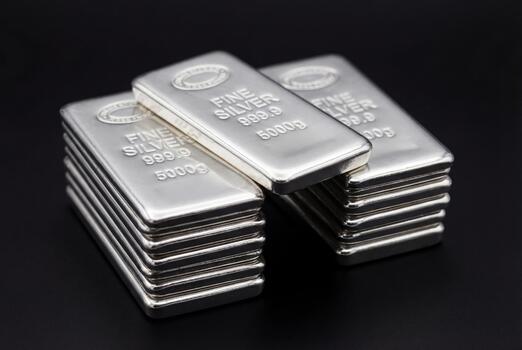
One of the first things new precious metals buyers notice is the price gap between silver and gold.
Gold trades in the thousands per ounce. Silver trades at a fraction of that level. At first glance, the comparison seems simple.
Gold is expensive. Silver is cheap.
That surface-level view misses most of what matters.
Experienced bullion buyers understand the real comparison goes far beyond spot price. The better question is not which metal costs more. The better question is which metal better fits your goals, your budget, and your long-term strategy for protecting purchasing power.
Gold and silver play different roles.
Gold tends to attract investors looking for concentrated wealth storage and stability during financial stress. Silver appeals to buyers who want lower entry costs, smaller divisible units, and greater upside potential during strong precious metals cycles.
Neither metal is automatically superior.
They simply behave differently.
That distinction becomes more important once real-world ownership factors enter the picture. Premiums matter. Liquidity matters. Storage matters. Volatility matters.
A person buying physical bullion should understand those tradeoffs before building a position.
That is how disciplined investors approach the market.
Why This Question Matters in 2026
Interest in physical precious metals remains elevated because many Americans no longer feel comfortable relying entirely on paper assets.
Inflation may not dominate headlines the way it did a few years ago, but the effects are still everywhere. Food costs remain high. Housing costs remain high. Insurance costs keep climbing. The purchasing power of the dollar continues eroding over time even during periods where official inflation numbers cool temporarily.
At the same time, federal debt levels continue expanding at a pace that concerns many long-term savers.
That combination pushes more investors toward hard assets.
Gold and silver stand out because they can be owned directly. They are tangible. They do not depend on a bank balance sheet or a financial institution remaining solvent.
Still, the precious metals market today looks different than it did ten or fifteen years ago.
Retail premiums fluctuate heavily during demand surges. Industrial silver demand continues growing through sectors like solar energy and electronics manufacturing. Central banks remain aggressive buyers of gold. Supply disruptions can affect product availability even when spot prices remain relatively calm.
All of this shapes how silver and gold prices move relative to each other.
First-time buyers often struggle with the comparison.
Some assume silver is simply a cheaper version of gold. Others become convinced silver will massively outperform everything else. Some investors avoid silver entirely because of volatility. Others avoid gold because the higher price per ounce feels intimidating.
The reality sits somewhere in the middle.
Both metals bring advantages. Both come with tradeoffs.
The goal is understanding those differences clearly enough to make rational decisions instead of emotional ones.
Spot Price Is Only Part of the Story
One of the biggest mistakes inexperienced buyers make is focusing entirely on spot price.
Spot price only reflects the raw market value of unfabricated metal. Physical bullion almost never sells exactly at spot.
That difference matters more than many people realize.
Physical Premiums Affect Real Ownership Costs
When buying physical bullion, investors pay premiums above spot.
Those premiums cover several factors:
Refining and fabrication
Minting expenses
Shipping and distribution
Dealer operating costs
Product demand
Market conditions
Silver products often carry higher percentage premiums than gold products.
A silver coin trading five or six dollars above spot may not sound extreme at first glance. Yet relative to silver’s lower base price, that premium can represent a meaningful percentage markup.
Gold products usually carry lower percentage premiums because the underlying value per ounce is already much higher.
During periods of strong retail demand, silver premiums can rise aggressively. Government-issued products like American Silver Eagles often experience the sharpest increases because buyers trust their recognizability and liquidity.
That does not automatically make silver unattractive.
It simply means buyers should evaluate total acquisition costs instead of staring only at spot charts.
Why Gold Costs More Per Ounce
Gold’s much higher price is not random.
Several factors continue supporting gold’s premium valuation.
Gold Is Rarer
Gold is significantly scarcer than silver in investment-grade form.
That scarcity has supported gold’s monetary role for thousands of years. Nations valued gold long before modern financial systems existed because concentrated wealth storage mattered even then.
Scarcity still matters now.
Silver remains valuable and widely traded, though gold’s rarity continues supporting its much higher price per ounce.
Gold Is More Efficient for Storing Wealth
Gold stores large amounts of value in very little space.
That efficiency becomes increasingly important as holdings grow.
Someone preserving ten thousand dollars may not care much about storage logistics. Someone preserving several hundred thousand dollars probably will.
Fifty thousand dollars in gold requires minimal storage space. Fifty thousand dollars in silver becomes heavy quickly and takes up far more room.
Gold is easier to transport, easier to conceal, and easier to secure discreetly.
That practicality matters to serious long-term investors.
Gold Maintains a Strong Monetary Reputation
Gold still occupies a formal role inside the global financial system.
Central banks continue accumulating gold reserves because gold remains recognized internationally as a reserve asset and monetary hedge.
Silver no longer holds that same official position.
That does not make silver irrelevant. It simply means gold still dominates the monetary side of the precious metals market.
Institutional trust matters.
Governments continue proving that through their actions.
Why Silver Still Appeals to Many Bullion Buyers
Despite gold’s higher price and reserve status, silver remains extremely popular among physical metals investors.
There are good reasons for that.
Silver Is More Affordable for Gradual Accumulation
Silver offers a lower financial entry point.
That matters to average households building tangible savings over time.
Many investors are uncomfortable spending several thousand dollars on a single gold coin immediately. Silver allows buyers to accumulate ounces gradually through smaller purchases.
That process often feels more manageable psychologically and financially.
For younger investors or middle-income households, silver may simply feel more accessible.
Silver Offers Smaller Denominations
Silver also provides flexibility.
A one-ounce silver coin can be liquidated easily in small increments. A one-ounce gold coin represents far more purchasing power concentrated into a single piece.
Some investors value silver’s divisibility because it creates more flexibility during future liquidation.
That practical consideration gets overlooked surprisingly often.
Silver Has Industrial Demand Support
Unlike gold, silver serves major industrial purposes.
Silver is heavily used in:
Electronics
Solar panels
Medical technology
Electric vehicles
Advanced manufacturing
This industrial demand creates additional market dynamics beyond investment demand alone.
During periods of industrial expansion or supply constraints, silver prices can move sharply higher.
That volatility creates opportunity along with risk.
The Gold-Silver Ratio Helps Compare Relative Value
Many metals investors monitor the gold-silver ratio closely.
The ratio measures how many ounces of silver it takes to purchase one ounce of gold.
Historically, the ratio has fluctuated dramatically depending on inflation expectations, economic conditions, industrial demand, and investor sentiment.
When the ratio becomes historically elevated, some investors begin viewing silver as relatively undervalued compared to gold.
If the ratio later contracts, silver can outperform gold substantially in percentage terms.
This has happened before during major precious metals bull markets.
The ratio should not be treated like a magic forecasting tool. Markets are rarely that simple.
Still, it provides useful historical context when comparing relative pricing between the two metals.
Volatility Is One of the Biggest Differences
One of the largest differences between gold and silver is volatility.
This is where investor temperament starts to matter.
Gold Tends to Be More Stable
Gold usually experiences smaller percentage swings than silver.
That relative stability appeals to investors focused mainly on preserving wealth rather than pursuing aggressive upside.
Gold often performs better during periods where fear dominates markets because institutional money tends to move toward perceived stability.
That steadier behavior helps many long-term holders remain patient during uncertainty.
Silver Moves More Aggressively
Silver tends to move harder in both directions.
During strong precious metals rallies, silver has historically produced larger percentage gains than gold at times. During downturns, silver can also fall faster.
This is simply part of silver ownership.
Buyers who cannot tolerate volatility often discover that after they already hold large positions.
Understanding the emotional side of market swings beforehand matters.
Storage Considerations Matter More Than Many Buyers Expect
Storage becomes increasingly important as holdings grow.
This issue gets underestimated constantly.
Gold Is Easier to Store Efficiently
Because gold carries much higher value per ounce, storage remains relatively simple even at substantial dollar amounts.
A small safe can hold significant purchasing power in gold.
That efficiency appeals strongly to investors preserving larger amounts of wealth.
Silver Requires More Space
Silver is bulky.
Large silver positions become heavy quickly and require meaningful storage capacity.
Long-term buyers should think ahead about:
- Safe capacity
- Physical security
- Insurance considerations
- Transportation logistics
- Private vault storage options
These are practical concerns, not theoretical ones.
They do not make silver inferior. They simply affect ownership differently.
A Simple Framework for Choosing Between Silver and Gold
Many experienced bullion buyers eventually stop treating silver and gold as competing choices.
They begin treating them as complementary tools.
Silver May Make More Sense If:
- You want lower entry costs
- You prefer gradual accumulation
- You value smaller divisible units
- You are comfortable with volatility
- You want larger ounce exposure
Gold May Make More Sense If:
- You prioritize stability
- You want efficient wealth storage
- You prefer lower volatility
- You are preserving larger savings
- You value portability and concentration
A Balanced Strategy Often Provides Flexibility
Many long-term investors own both metals because each one solves a different problem.
Gold often acts as a financial anchor. Silver provides flexibility and stronger upside potential during major metals rallies.
There is no perfect formula.
The right balance depends on budget, storage preferences, financial goals, and emotional tolerance for market swings.
Common Concerns About Silver and Gold Pricing
Most first-time buyers ask similar questions.
That is normal.
“Is Silver Cheap Because It’s Less Valuable?”
Silver’s lower price per ounce does not mean it lacks value.
The difference mainly reflects scarcity, reserve demand, and historical monetary positioning.
Silver still carries substantial investment demand and thousands of years of monetary history.
“Do High Silver Premiums Make It a Bad Buy?”
Not necessarily.
Premiums should always be evaluated carefully. At the same time, recognizable products with stronger resale demand may justify somewhat higher premiums.
Some investors focus entirely on lowest cost per ounce. Others prioritize liquidity and recognizability.
Both approaches can make sense.
“Will Silver Be Harder to Sell?”
Widely recognized silver bullion products remain highly liquid.
Silver Eagles, Maple Leafs, and major private mint bars continue attracting strong secondary-market demand.
Liquidity concerns usually become more relevant with obscure collectibles or specialty products rather than standard bullion.
Final Thoughts
Comparing silver and gold prices involves much more than looking at which metal costs more per ounce.
Gold offers scarcity, concentrated value, portability, and monetary credibility. Silver offers affordability, flexibility, industrial demand exposure, and stronger percentage upside potential during certain market cycles.
Both metals can play valuable roles inside a long-term wealth preservation strategy.
The investors who usually make the best decisions are not chasing dramatic predictions or reacting emotionally to short-term price swings. They are building positions steadily, thinking long term, and understanding exactly why they own each metal in the first place.










Leave a comment