

A new front has opened in the global gold market, and it is not on Wall Street or in the COMEX trading pits — it is in Accra. The government of Ghana will require large mining companies to sell nearly one-third of their output directly to the state starting in July, a move aimed at bolstering the country’s foreign-exchange reserves. The mandate adds a fresh layer of physical demand at a time when the paper market is buckling under the weight of a resurgent dollar and hawkish Federal Reserve rhetoric.
Bullion was changing hands at around $4,097 an ounce on Friday after snapping a losing streak with a 1.4% gain. The bounce followed US inflation data that landed within expectations at 4.1%, relieving some pressure. Yet the metal remains deep in the red, having lost roughly 27% from its January all-time high as markets repriced the trajectory of monetary policy.
Banks slash forecasts, traders pencil in a rate hike
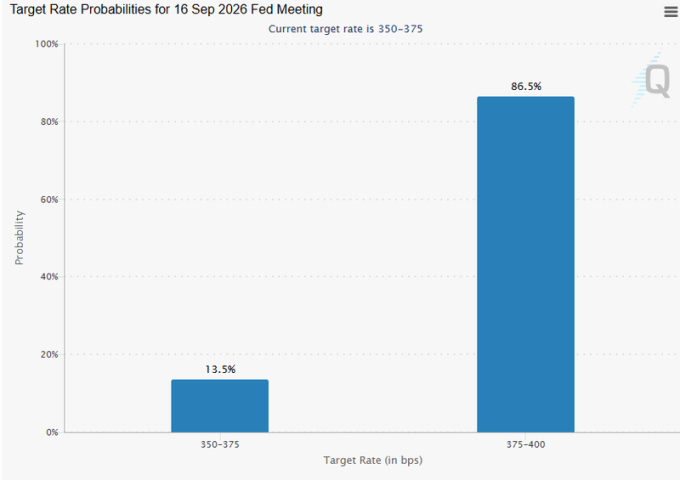
The scale of the pessimism is reflected in the flurry of target cuts from major institutions. Deutsche Bank now pegs fair value at $4,300 per ounce, while Goldman Sachs has trimmed its year-end projection to $4,900. The culprit is the same across the board: Federal Reserve Chair Kevin Warsh has doubled down on price stability, effectively taking rate cuts off the table for 2026. Instead, traders are now pricing in a 68% probability of a rate increase at the September meeting, up from just 29% a week earlier. A strong dollar, which has climbed to its highest level in over a year, and rising real yields are punishing the non-yielding metal.
Should investors sell immediately? Or is it worth buying Gold?
Central banks and COMEX deliver a counter-narrative
On the physical side of the ledger, the picture could not be more different. China’s central bank has added to its gold reserves for 18 consecutive months, and global central banks bought a net 244 tonnes in the first quarter — a 3% increase from a year earlier. Total gold demand, including over-the-counter transactions, reached a record 1,231 tonnes for an opening quarter, according to the World Gold Council. Nearly 90% of central banks surveyed expect to raise their holdings further over the coming months.
The scramble for physical metal also played out visibly on the COMEX. At the expiry of the June futures contracts, investors demanded delivery of roughly 120 tonnes of gold — the highest such figure since February. Large market participants are clearly using the pullback to accumulate bullion rather than rolling positions forward.
The paper market bleeds, ETFs under pressure
That buying pressure stands in stark contrast to the behaviour of western exchange-traded funds. ETF holdings have seen steady net outflows as speculative investors flee in the face of a hawkish Fed. The divergence between the physical and paper markets remains the defining feature of the current cycle. While warehouse inventories and central bank vaults grow tighter, the derivatives market continues to suffer from dollar strength and the prospect of higher rates.
Technically oversold, but $4,000 support holds — for now
The relative strength index has fallen to around 37, signalling an oversold condition. That alone is unlikely to trigger a reversal, but the convergence of physical buying and technical exhaustion could help stabilise prices. The $4,000 level on a weekly closing basis is the key floor traders are watching. As long as it holds, the selling pressure may begin to ease. If it gives way, however, the next stop could be significantly lower — and even a record demand quarter from central banks may not be enough to cushion the fall.
Ad
Gold Stock: New Analysis – 26 June
Fresh Gold information released. What’s the impact for investors? Our latest independent report examines recent figures and market trends.












Leave a comment