
Speed
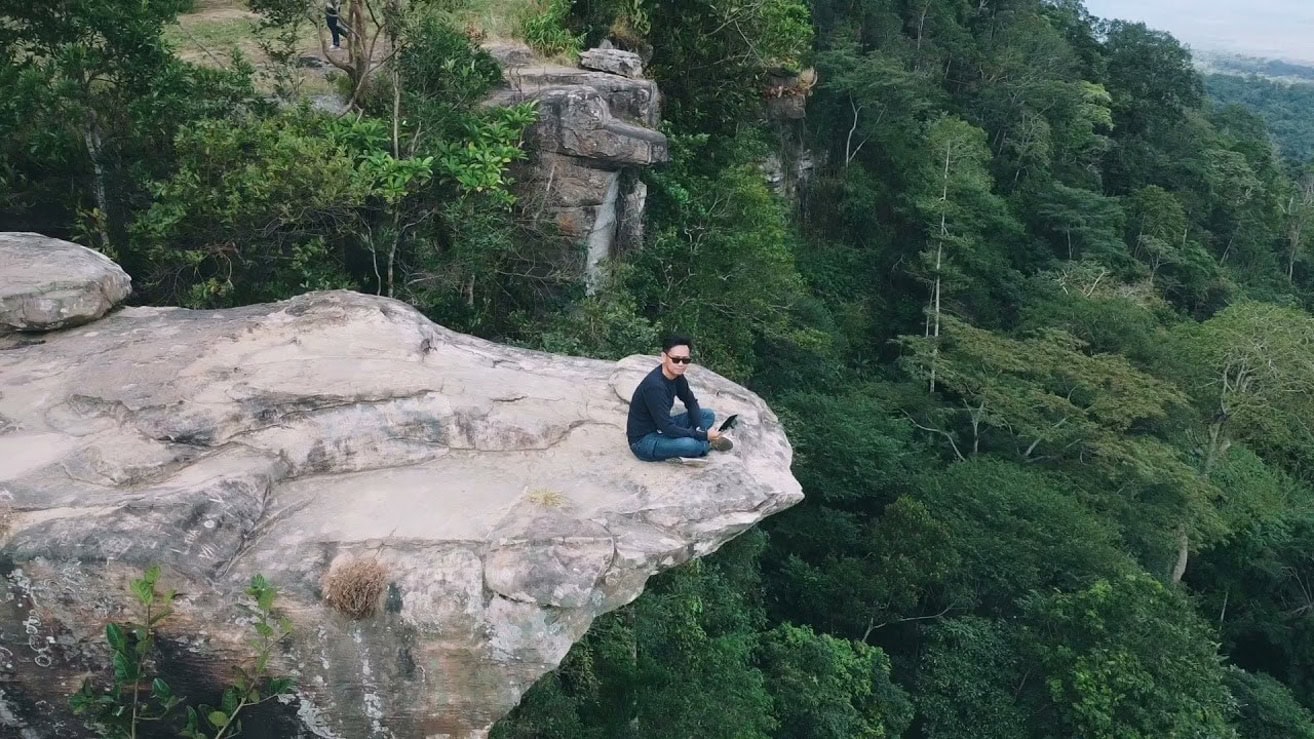
More than 50 of the 193 community-protected areas across Cambodia are now providing ecotourism services.
They generate an estimated $1 million per annum from entrance ticket sales alone, according to a report from the Ministry of Environment.
The report was released during the June 15 launch of new technical guidelines for managing community-based ecotourism development projects.
The guidelines are intended to support the development of the projects, while improving local livelihoods, promoting the sustainable use and conservation of natural resources and aligning with Cambodia’s broader economic, social and cultural development goals.
The ministry noted that they also support the implementation of the Environmental and Natural Resources Code and the Environmental Sector Strategic Plan 2023–2028, which focuses on three key priorities: Cleanliness, Greenness and Sustainability.
These objectives are designed to ensure environmental sustainability, strengthen environmental governance, address climate change, promote a green economy and contribute to Cambodia’s goal of becoming a carbon-neutral nation with extensive forest cover by 2050.
The guidelines were developed through extensive consultations with government stakeholders, community members, non-governmental organisations and the private sector. They were approved by the ministry in April.
The regulations outline key procedures, including project applications and approvals, preparation of master plans and business plans, environmental and social impact management, cooperation with implementation partners, benefit-sharing mechanisms, and project monitoring and evaluation.
Ministry secretary of state Mom Thany addressed the June 15 launch. She explained that there are 73,237 households within the 332,174 hectares of protected area the ministry administers.
She noted that 137 potential ecotourism sites have been identified, but only 53 sites are currently active. They cover 71,817 hectares and involve 13,971 households.
Thany expressed her hopes that the new guidelines would serve as a practical and effective legal framework, helping streamlining procedures and legal requirements throughout every stage of project development.
Ken Sereyrotha, director-general of the ministry’s General Department of Local Communities, said Cambodia currently has 73 protected areas covering approximately 7 million hectares.
He highlighted the vast tourism potential of these areas, which include forests, grasslands, wildlife habitats, biodiversity-rich ecosystems, waterfalls, coastal zones, plateaus and numerous cultural and natural heritage sites.
“These resources provide significant opportunities for nature-based tourism development that can contribute to conservation efforts while creating economic benefits for local communities,” he said.
Alongside legal and institutional support for community management, the ministry has been working with relevant institutions and development partners to improve tourism infrastructure and facilities at community destinations.
These improvements include parking areas, restaurants, toilets, clean water and sanitation facilities, rest shelters, forest trails, signage, camping sites, homestays and community cultural performances, all designed to enhance ecotourism products and services.
The ministry has also focused on strengthening community capacity through training in hospitality, tour guiding, food and beverage services, and waste management, particularly plastic waste reduction.
Visitor numbers have been growing by around 15 per cent annually, generating between $800,000 and $1 million per year in direct revenue from ticket sales alone.
The ministry noted that this figure does not include additional income generated through related services such as food and beverage sales, transportation, tour guiding and accommodation, which provide further economic benefits to local communities across the country.











Leave a comment