
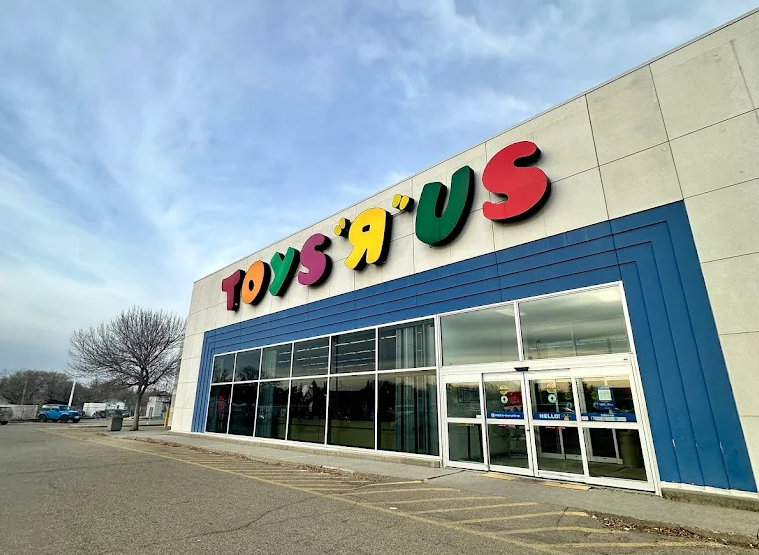
The Toys “R” Us brand in Canada is heading to one owner. The stores are heading to another.
An Ontario court has approved a series of transactions that divide Toys “R” Us Canada among three buyers, marking a major turning point for one of the country’s best-known retail chains and leaving unanswered questions about what comes next for the remaining stores.
The court approval clears the way for Ad Populum, a U.S.-based brand management company, to acquire the Toys “R” Us and Babies “R” Us intellectual property in Canada. A separate company controlled by retail entrepreneur Doug Putman will acquire 10 store leases, inventory, equipment and other operating assets, while Fox Group Jumbo Canada will acquire the lease for the Toys “R” Us store at Vaughan Mills.
Financial terms of the transactions were not disclosed. While the court proceedings determine who owns the assets, they do not determine what Canadian consumers will ultimately see on storefronts.
Court documents indicate the operating business retains rights to use the Toys “R” Us and Babies “R” Us names through January 15, 2027. After that date, the future of the remaining stores will depend on whether new licensing arrangements are reached or whether a different retail strategy emerges.
For a retailer that once operated more than 80 stores across Canada, the restructuring represents another dramatic chapter in a story that began long before the company’s recent creditor protection filing.
A Familiar Retail Brand Faces an Uncertain Future
For generations of Canadian families, Toys “R” Us has been one of the country’s most recognizable retail brands.
The chain survived the collapse of its U.S. parent company and continued operating in Canada under Doug Putman’s ownership. Even after entering creditor protection earlier this year, the retailer retained significant brand recognition and a national presence.
The latest restructuring changes that equation. A licensing arrangement could allow the stores to continue operating under the Toys “R” Us banner beyond January 2027. Another possibility is that the stores continue under a different name or retail concept.
The transactions approved by the court answer who owns the assets. They do not answer what Canadian consumers will see on storefronts in the years ahead.
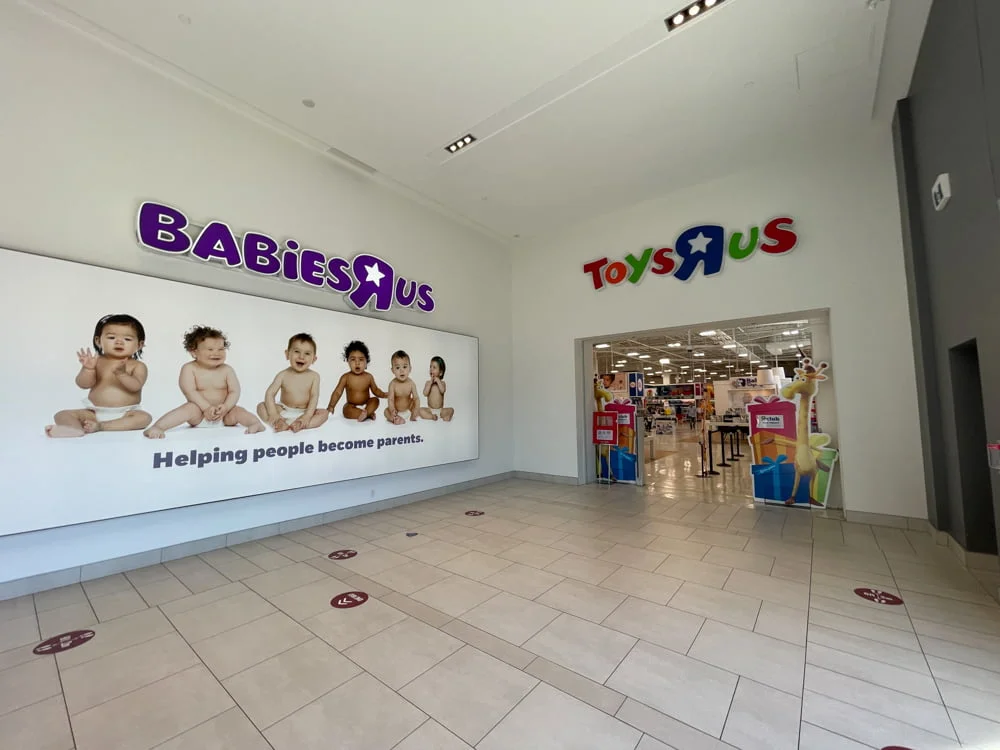
What Doug Putman Actually Acquired
One of the more unusual aspects of the restructuring is the nature of the assets being acquired by Putman’s company.
The transaction includes store leases, inventory, equipment, bank accounts and operating assets associated with the business. In practical terms, Putman is acquiring much of the infrastructure required to continue operating a retail chain. What he is not acquiring is the Toys “R” Us brand itself.
That distinction matters. Retailers typically own both the operating business and the intellectual property associated with the brand. Following the restructuring, those assets will be held separately.
The structure is unusual but not unprecedented. Across the retail industry, some operators run stores under brands they do not own through licensing agreements with intellectual property holders.
Whether a similar arrangement ultimately emerges for Toys “R” Us in Canada remains one of the key questions arising from the restructuring.
Why Ad Populum Wanted the Brand
The acquisition of the Toys “R” Us and Babies “R” Us intellectual property by Ad Populum highlights the continued value of the brands, even as the operating business restructures.
Unlike traditional retailers, brand management companies focus on intellectual property. Their business revolves around trademarks, licensing agreements and brand development opportunities rather than operating stores directly.
The Toys “R” Us name remains one of the most recognizable brands in the toy sector. For Ad Populum, ownership of the intellectual property creates opportunities to generate value through licensing arrangements and other brand-related initiatives in the Canadian market.
The transaction also illustrates that the value of a retail brand and the value of a retail store network are not always the same thing. In this case, the court-approved restructuring separates those assets and places them in different hands.
Vaughan Mills Emerges as One of the Most Valuable Assets
Among the assets sold, the Vaughan Mills location attracted particular attention.
The shopping centre is known to be one of Canada’s highest-performing retail properties and draws shoppers from across the Greater Toronto Area, elsewhere in Ontario and from international tourism markets.
Its combination of outlet shopping, entertainment attractions and destination retailing has helped make it one of the country’s busiest malls.
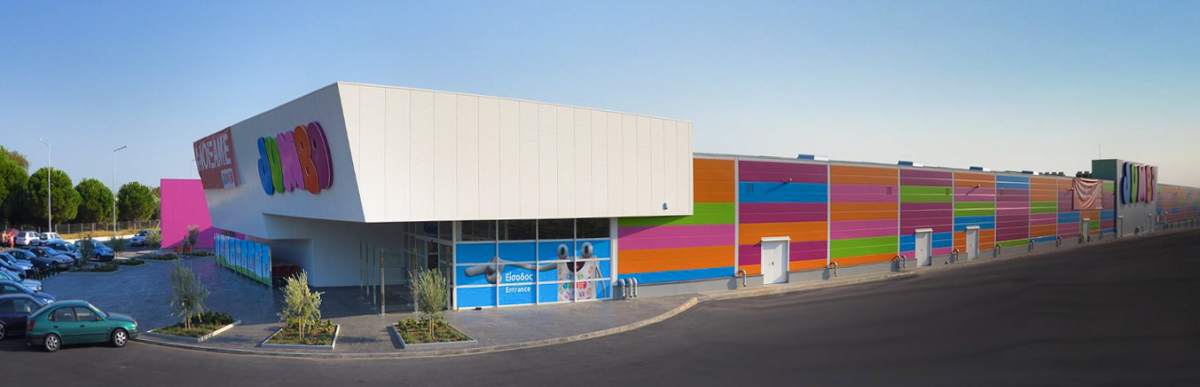
The large-format 48,000 square foot Toys “R” Us location occupies a prominent position within the property and was likely among the most desirable leasehold interests available through the sale process.
Fox Group Jumbo Canada’s acquisition of the lease provides the retailer with an immediate foothold in a high-traffic shopping centre as it prepares for expansion into Canada.
Although the purchase price remains confidential, the Vaughan Mills lease was arguably one of the crown jewels of the restructuring process.
Creditor Issues Continue Separately
Several creditors and stakeholders raised objections during the approval process, including concerns involving former distribution partner Everest Toys and certain related-party transactions.
Those objections did not prevent the court from approving the transactions. The disputes remain separate from the asset sales, and no court findings have been made regarding the allegations raised.
For the retail industry, the larger question is what happens after January 2027.
The court has now determined who owns the Toys “R” Us brand, who controls the remaining stores and who will take over one of the chain’s most valuable locations.
The next decision belongs to the new owners.
If a long-term licensing arrangement is reached, Canadian consumers may continue shopping at Toys “R” Us stores for years to come. If not, one of the country’s most recognizable retail banners could eventually disappear from storefronts despite some of the stores themselves continuing to operate.
The restructuring process may be nearing its end. The future of Toys “R” Us in Canada is still being written.










Leave a comment