
Up until the latest Middle East conflict began at the end of February, a quiet trend was emerging among investors as they looked for safety and security away from AI disruption. As software stocks sold off, with markets unsure which companies would make the most of the new technology and which would crumble, others took another approach and went in the opposite direction.
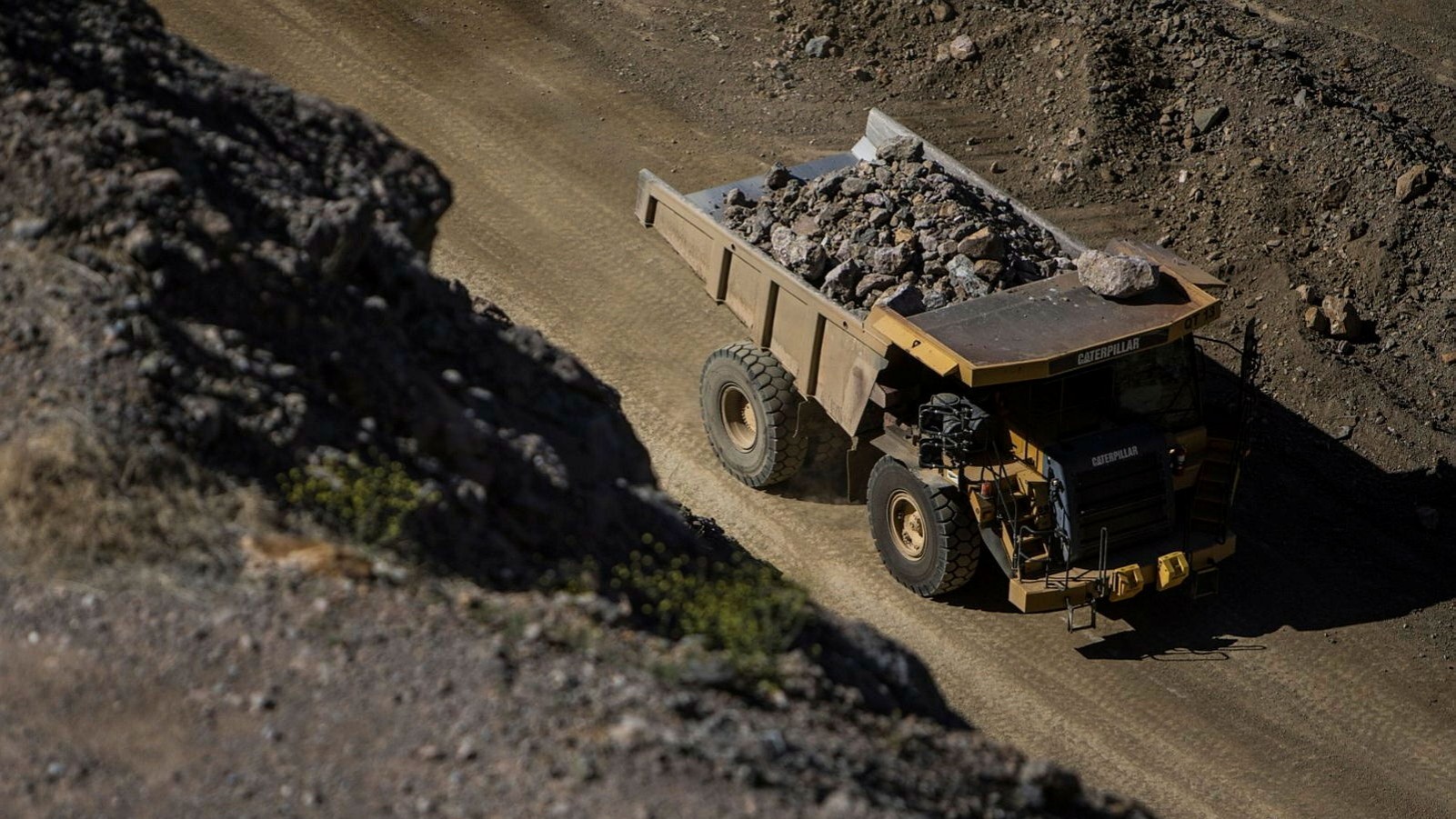
Investors began favouring ‘capital-intensive’ companies, turning towards old-school behemoths in aerospace, industrials and utilities. Analysts at investment bank Goldman Sachs coined the acronym ‘Halo’, which stands for ‘heavy assets, low obsolescence’. Guillaume Jaisson, a Goldman analyst, explains: “Halo businesses pair substantial physical capital with long-lived economic relevance. Examples include grids, pipelines, utilities, transport infrastructure and critical machinery.”
This framework has been taken up by rival analysts, too. Analysts at broker Jefferies have argued that the waste sector is an “under-appreciated Halo industry” where “physical infrastructure, not software” is what drives value for investors. They say that while AI can improve routing, pricing and fuel efficiency, it cannot replicate landfills. The largest waste businesses in the US are Republic Services (US:RSG) and Waste Management (US:WM), whose shares are up 6 per cent and 8 per cent this year, respectively.












Leave a comment