
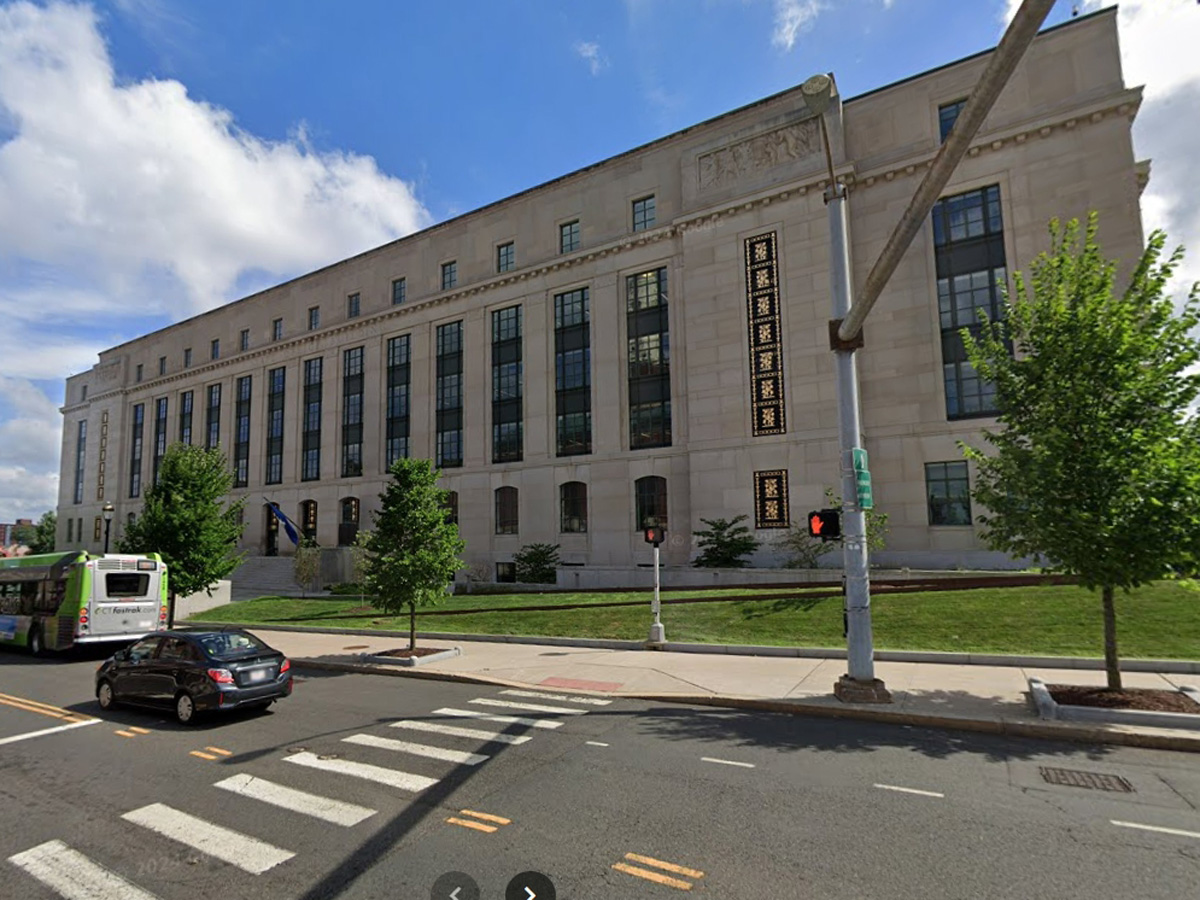

State auditors recommend the Office of the State Comptroller strengthen oversight of its physical inventory process after a review found $2.84 billion worth of assets were not inventoried properly in 2025.
State law requires each agency to conduct an annual physical inventory of all property. Failing to do so can result in a reduced ability to ensure the items’ existence, location and safeguarding of state property, auditors said in a report released this week.
Fifty-seven agencies report annual inventory information to the comptroller, for assets totalling $8.8 billion. Just under 40% of them failed to do a physical inventory in fiscal year 2025, auditors noted. Just over 12% had no physical inventory date at all in Core-CT, the system where inventories are recorded, auditors said.
Agency officials said they disagreed with this finding, noting that Core-CT does not require a physical inventory date for an entry, which can lead to that information lacking despite a physical inventory having been completed.
The audit, which covered fiscal years 2023, 2024 and 2025, also highlighted outdated guidelines, obsolete terminology and inconsistencies.
The agency’s Internal Control Guide had not been updated since 2011, and the State Accounting Manual had not been updated since 2016, auditors noted.
“We found guidance documents were outdated, not aligned with current internal control frameworks and accounting standards, and did not consistently incorporate updates to state policies, systems, and reporting requirements,” auditors said in their report.
The comptroller’s office said it is in the process of updating its state manual and those updates are expected to be completed this month. As for the Internal Control Guide, the agency has made significant efforts to move toward a new publication to help guide agencies on internal controls, officials said.
Finally, auditors noted that the comptroller’s office did not adequately document compliance with software inventory and software asset management requirements for its $109.9 million in
capitalized software. This finding was also noted in a prior audit going back to 2020.
“The OSC maintains a listing of its software inventory but neglected to sign off on the report to
properly document the completion of physical inventory,” agency officials said in their audit response. “The OSC will ensure that proper documentation is maintained to support the physical inventory of its software.”
RELATED

DECD Improves Handling Of CT’s Media Tax Credits, Audit Finds
Production companies with at least $100,000 in Connecticut expenditures that conduct at least 50% of their principal photography in Connecticut, expend at least 50% of postproduction costs in the state, or incur at least $1 million in in-state postproduction costs are eligible for tax credits.

Auditors Find No Deficiencies At CHEFA
A recent audit of the quasi-public Connecticut Health and Educational Facilities Authority, which issues tax-exempt bonds to qualified non-profit healthcare and higher education institutions among others, has revealed no issues and the State Auditors of Public Accounts offered no recommendations.


Auditors Say DECD Failed To Report Fraud Investigation; Agency Says FBI Told Them To Keep Probe Confidential
The Department of Economic and Community Development failed to report an FBI investigation into fraudulent activity within its Small Business Boost program involving over $1 million until auditors asked about it two years later, a report released this week details.

Audit: XL Center Ticket Vendor Contract Signed Without Proper Approvals
Capital Region Development Authority’s agent for managing XL Center operations did not follow proper procedures when hiring a ticket vendor three years ago, a recent audit details.












Leave a comment