

Washington,
D.C. 20549
Amendment
No. 1
Inc.
Check
the appropriate box below if the Form 8-K filing is intended to simultaneously satisfy the filing obligation of the registrant under
any of the following provisions:
Indicate
by check mark whether the registrant is an emerging growth company as defined in Rule 405 of the Securities Act of 1933 (§230.405
of this chapter) or Rule 12b-2 of the Securities Exchange Act of 1934 (§240.12b-2 of this chapter).
If
an emerging growth company, indicate by check mark if the registrant has elected not to use the extended transition period for complying
with any new or revised financial accounting standards provided pursuant to Section 13(a) of the Exchange Act. ☐
February 3, 2026, MicroVision, Inc. (“MicroVision” or the “Company”) completed the acquisition of certain assets
from Luminar Technologies, Inc. (“Luminar”) related to Luminar’s advanced light detection and ranging (“LiDAR”)
sensor business (the “Acquisition”) pursuant to the previously announced Asset Purchase Agreement, dated January 26, 2026
and amended as of February 3, 2026.
pro forma financial information included in this Form 8-K/A has been presented for informational purposes only, is based on various adjustments
and assumptions and is not necessarily indicative of what the Company’s consolidated financial statements would have been had the
Acquisition and other adjustments been completed as of the dates indicated or will be for any future periods.
Item
9.01. Financial Statements and Exhibits.
(a)
Financial Statements of Businesses or Funds Acquired.
The
audited combined financial statements of the LiDAR business of Luminar for the fiscal years ended December 31, 2024 and December 31,
2025 are attached as Exhibit 99.1 hereto and incorporated herein by reference.
(b)
Pro Forma Financial Information.
The
unaudited pro forma condensed combined financial information of the Company as of December 31, 2025 and for the year then ended is
attached as Exhibit 99.2 hereto and incorporated herein by reference. This unaudited pro forma financial information gives effect to
the Acquisition.
(c)
Shell Company Transactions.
Not
applicable.
(d)
Exhibits.
Pursuant
to the requirements of the Securities Exchange Act of 1934, the registrant has duly caused this report to be signed on its behalf by
the undersigned hereunto duly authorized.
Exhibit 99.1
INDEX
TO COMBINED FINANCIAL STATEMENTS
| Page | |
of Independent Auditor |
2 |
| Combined Balance Sheets as of December 31, 2025 and 2024 |
4 |
| Combined Statements of Operations for the Years ended December 31, 2025 and 2024 | 5 |
| Combined Statements of Changes in Equity for the Years ended December 31, 2025 and 2024 | 6 |
| Combined Statements of Cash Flows for the Years ended December 31, 2025 and 2024 | 7 |
| Notes to Combined Financial Statements | 8 |
| Note 1. Description of Business and Basis of Presentation | 8 |
| Note 2. Summary of Significant Accounting Policies | 9 |
| Note 3. Bankruptcy Proceedings | 16 |
| Note 4. Revenue | 17 |
| Note 5. Restructuring and Other Costs | 18 |
| Note 6. Financial Statement Components | 19 |
| Note 7. Leases | 21 |
| Note 8. Income Taxes | 23 |
| Note 9. Commitments and Contingencies | 26 |
| Note 10. Related Party Transaction | 26 |
| Note 11. Subsequent Events | 27 |
of Independent Auditors
Board of Directors of MicroVision, Inc.
Light Detection and Ranging Business
on the Audit of the Financial Statements
have audited the carved out and combined financial statements of the Luminar Light Detection and Ranging Business, which comprise the
carved out and combined balance sheets as of December 31, 2025 and 2024, and the related carved out and combined statements of operations,
changes in equity, and cash flows for the years then ended, and the related notes to the carved out and combined financial statements.
our opinion, the accompanying carved out and combined financial statements present fairly, in all material respects, the financial position
of the Luminar Light Detection and Ranging Business as of December 31, 2025, and 2024, and the results of its operations and its cash
flows for the years then ended in accordance with accounting principles generally accepted in the United States of America.
for Opinion
carved out and combined financial statements have been derived from the consolidated financial statements and accounting records of Luminar
Technologies, Inc. (the “Parent”). The carved out and combined financial statements do not purport to represent the financial
position, results of operations, or cash flows of the Parent as a whole.
conducted our audits in accordance with auditing standards generally accepted in the United States of America (GAAS). Our responsibilities
under those standards are further described in the Auditor’s Responsibilities for the Audit of the Financial Statements section
of our report. We are required to be independent of the Luminar Light Detection and Ranging Business and to meet our other ethical responsibilities,
in accordance with the relevant ethical requirements relating to our audits. We believe that the audit evidence we have obtained is sufficient
and appropriate to provide a basis for our audit opinion.
Doubt About the Entity’s Ability to Continue as a Going Concern
accompanying carved out and combined financial statements have been prepared assuming that the Luminar Light Detection and Ranging
Business will continue as a going concern.
As discussed in Note 2 to the carved out and combined financial statements, the Parent has suffered recurring losses from operations,
and filed for relief under Chapter 11 of Title 11 of the United States Bankruptcy Code in the United States Bankruptcy Court for the
Southern District of Texas that raises substantial doubt about its ability to continue as a going concern. Management’s evaluation
of the events and conditions and management’s plans regarding these matters are also described in Note 2. The carved out and combined
financial statements do not include any adjustments that might result from the outcome of this uncertainty. Our opinion is not modified
with respect to this matter.
of Matter – Bankruptcy-related debt accounting
described in Notes 1 and 3 to the carved out and combined financial statements, on December 15, 2025, the Parent and certain of its subsidiaries
filed voluntary petitions relief under Chapter 11 of Title 11 of the United States Code in the United States Bankruptcy Court for the
Southern District of Texas, commencing Chapter 11 cases. As a result of the bankruptcy proceedings, management applied generally accepted
accounting principles applicable to reorganization in preparing the carved out and combined financial statements. These accounting principles
require that, for periods including and after the filing of a Chapter 11 petition, the consolidated financial statements distinguish
transactions and events that were directly associated with the reorganization from the ongoing operations of the business. Pre-petition
unsecured and under secured claims impacted by the bankruptcy reorganization process in the amount of $78.4 million were classified as
liabilities subject to compromise in the carved out and combined balance sheet as of December 31, 2025. Additionally, certain expenses
and other items resulting from and recognized during the bankruptcy proceedings in the amount of $3.5 million were recorded in reorganization
items, net in the carved out and combined statement of operation for the year ended December 31, 2025. Our opinion is not modified with
respect to this matter.
of Management for the Financial Statements
is responsible for the preparation and fair presentation of the carved out and combined financial statements in accordance with accounting
principles generally accepted in the United States of America, and for the design, implementation, and maintenance of internal control
relevant to the preparation and fair presentation of financial statements that are free from material misstatement, whether due to fraud
or error.
preparing the financial statements, management is required to evaluate whether there are conditions or events, considered in the aggregate,
that raise substantial doubt about the Luminar Light Detection and Ranging Business’s ability to continue as a going concern within
one year after the date that the financial statements are available to be issued.
Responsibilities for the Audit of the Financial Statements
objectives are to obtain reasonable assurance about whether the carved out and combined financial statements as a whole are free from
material misstatement, whether due to fraud or error, and to issue an auditor’s report that includes our opinion. Reasonable assurance
is a high level of assurance but is not absolute assurance and therefore is not a guarantee that an audit conducted in accordance with
GAAS will always detect a material misstatement when it exists. The risk of not detecting a material misstatement resulting from fraud
is higher than for one resulting from error, as fraud may involve collusion, forgery, intentional omissions, misrepresentations, or the
override of internal control. Misstatements are considered material if there is a substantial likelihood that, individually or in the
aggregate, they would influence the judgment made by a reasonable user based on the carved out and combined financial statements.
performing an audit in accordance with GAAS, we:
professional judgment and maintain professional skepticism throughout the audit. |
|
and assess the risks of material misstatement of the carved out and combined financial statements, whether due to fraud or error, and design and perform audit procedures responsive to those risks. Such procedures include examining, on a test basis, evidence regarding the amounts and disclosures in the carved out and combined financial statements. |
|
an understanding of internal control relevant to the audit in order to design audit procedures that are appropriate in the circumstances, but not for the purpose of expressing an opinion on the effectiveness of Luminar Light Detection and Ranging Business’s internal control. Accordingly, no such opinion is expressed. |
|
the appropriateness of accounting policies used and the reasonableness of significant accounting estimates made by management, as well as evaluate the overall presentation of the carved out and combined financial statements. |
|
whether, in our judgment, there are conditions or events, considered in the aggregate, that raise substantial doubt about the Luminar Light Detection and Ranging Business’s ability to continue as a going concern for a reasonable period of time. |
are required to communicate with those charged with governance regarding, among other matters, the planned scope and timing of the audit,
significant audit findings, and certain internal control–related matters that we identified during the audit.
Baker Tilly US, LLP
WA
21, 2026
Luminar
LiDAR Business
Combined
Balance Sheets
(In
thousands)
| December 31, | ||||||||
| 2025 | 2024 | |||||||
| ASSETS | ||||||||
| Current assets: | ||||||||
| Accounts receivable | $ | 2,711 | $ | 8,345 | ||||
| Inventory | 3,497 | 11,468 | ||||||
| Prepaid expenses and other current assets | 10,854 | 25,046 | ||||||
| Total current assets | 17,062 | 44,859 | ||||||
| Property and equipment, net | 31,626 | 47,364 | ||||||
| Operating lease right-of-use assets | 12,084 | 28,076 | ||||||
| Intangible assets, net | 6,792 | 9,190 | ||||||
| Goodwill | 1,750 | 1,750 | ||||||
| Other non-current assets | 3,440 | 6,381 | ||||||
| Total assets | $ | 72,754 | $ | 137,620 | ||||
| LIABILITIES AND EQUITY | ||||||||
| Current liabilities: | ||||||||
| Accounts payable | $ | 277 | $ | 14,410 | ||||
| Accrued and other current liabilities | 10,016 | 11,896 | ||||||
| Operating lease liabilities | 931 | 8,928 | ||||||
| Total current liabilities | 11,224 | 35,234 | ||||||
| Operating lease liabilities, non-current | 2,273 | 21,731 | ||||||
| Other non-current liabilities | 184 | 815 | ||||||
| Total liabilities not subject to compromise | 13,681 | 57,780 | ||||||
| Liabilities subject to compromise | 78,418 | — | ||||||
| Total liabilities | 92,099 | 57,780 | ||||||
| Commitments and contingencies (see Note 9) | ||||||||
| Equity | ||||||||
| Net Parent investment | (19,345 | ) | 79,840 | |||||
| Total equity | (19,345 | ) | 79,840 | |||||
| Total liabilities and equity | $ | 72,754 | $ | 137,620 | ||||
The
accompanying notes are an integral part of these Combined Financial Statements.
Luminar
LiDAR Business
Combined
Statements of Operations
(In
thousands)
| Year Ended December 31, | ||||||||
| 2025 | 2024 | |||||||
| Revenue | $ | 40,976 | $ | 53,531 | ||||
| Cost of sales (includes loss on firm purchase commitments of $42,811 and nil, respectively) | 120,754 | 81,352 | ||||||
| Gross loss | (79,778 | ) | (27,821 | ) | ||||
| Operating expenses: | ||||||||
| Research and development | 135,577 | 230,701 | ||||||
| Sales and marketing | 13,902 | 39,513 | ||||||
| General and administrative | 17,903 | 88,658 | ||||||
| Impairment of long-lived assets | 6,390 | — | ||||||
| Restructuring and other costs | 21,713 | 9,252 | ||||||
| Total operating expenses | 195,485 | 368,124 | ||||||
| Loss from operations | (275,263 | ) | (395,945 | ) | ||||
| Other income (expense), net | (640 | ) | 431 | |||||
| Loss before reorganization items and provision for income taxes | (275,903 | ) | (395,514 | ) | ||||
| Reorganization items | (3,450 | ) | — | |||||
| Provision for income taxes | (1,365 | ) | (515 | ) | ||||
| Net loss | $ | (280,718 | ) | $ | (396,029 | ) | ||
The
accompanying notes are an integral part of these Combined Financial Statements.
Luminar
LiDAR Business
Combined
Statements of Changes in Equity
(In
thousands)
| Net Parent investment | Total Equity | |||||||
| Balance, January 1, 2024 | $ | 85,599 | $ | 85,599 | ||||
| Net Loss | (396,029 | ) | (396,029 | ) | ||||
| Net transfer from Parent | 390,270 | 390,270 | ||||||
| Balance, December 31, 2024 | $ | 79,840 | $ | 79,840 | ||||
| Net Loss | (280,718 | ) | (280,718 | ) | ||||
| Net transfer from Parent | 181,533 | 181,533 | ||||||
| Balance, December 31, 2025 | $ | (19,345 | ) | $ | (19,345 | ) | ||
The
accompanying notes are an integral part of these Combined Financial Statements.
Luminar
LiDAR Business
Combined
Statements of Cash Flows
(In
thousands)
| Year Ended December 31, | ||||||||
| 2025 | 2024 | |||||||
| Cash flows from operating activities: | ||||||||
| Net loss | $ | (280,718 | ) | $ | (396,029 | ) | ||
| Adjustments to reconcile net loss to net cash used in operating activities: | ||||||||
| Depreciation and amortization | 14,017 | 22,255 | ||||||
| Amortization of operating lease right-of-use assets | 5,152 | 7,647 | ||||||
| Vendor stock in lieu of cash program | 200 | 7,594 | ||||||
| Inventory write-offs and write-downs | 12,565 | 19,893 | ||||||
| Loss on firm purchase commitment | 42,811 | — | ||||||
| Gain on sale or disposal of property and equipment | (414 | ) | (51 | ) | ||||
| Stock-based compensation, including restructuring costs | 9,992 | 116,176 | ||||||
| Impairment of long-lived assets | 6,390 | — | ||||||
| Change in product warranty and other | 4,808 | (3,523 | ) | |||||
| Changes in operating assets and liabilities: | ||||||||
| Accounts receivable | 5,635 | 3,870 | ||||||
| Inventories | (4,595 | ) | (20,163 | ) | ||||
| Prepaid expenses and other current assets | 14,192 | (5,218 | ) | |||||
| Other non-current assets | 21,850 | 11,740 | ||||||
| Accounts payable | 10,103 | (3,263 | ) | |||||
| Accrued and other current liabilities | (14,201 | ) | (12,899 | ) | ||||
| Other non-current liabilities | (20,182 | ) | (16,872 | ) | ||||
| Net cash used in operating activities | (172,395 | ) | (268,843 | ) | ||||
| Cash flows from investing activities: | ||||||||
| Purchases of property and equipment | (1,336 | ) | (4,871 | ) | ||||
| Proceeds from disposal of property and equipment | 305 | 135 | ||||||
| Net cash used in investing activities | (1,031 | ) | (4,736 | ) | ||||
| Cash flows from financing activities: | ||||||||
| Net transfer from Parent | 173,426 | 273,579 | ||||||
| Net cash provided by financing activities | 173,426 | 273,579 | ||||||
| Net increase (decrease) in cash, cash equivalents and restricted cash | — | — | ||||||
| Beginning cash, cash equivalents and restricted cash | — | — | ||||||
| Ending cash, cash equivalents and restricted cash | $ | — | $ | — | ||||
| Supplemental disclosures of cash flow information: | ||||||||
| Cash paid (refund received) for taxes | $ | 479 | $ | (343 | ) | |||
| Supplemental disclosures of noncash investing and financing activities: | ||||||||
| Recognition/ derecognition of right-of-use assets in exchange for lease obligations | (9,714 | ) | (5,277 | ) | ||||
| Purchases of property and equipment recorded in accounts payable and accrued liabilities | 250 | 490 | ||||||
The
accompanying notes are an integral part of these Combined Financial Statements.
Luminar
LiDAR Business
NOTES
TO COMBINED FINANCIAL STATEMENTS
Note
1. Description of Business and Basis of Presentation
The
Luminar Light Detection and Ranging (“LiDAR”) Business (the “Business” or the “Company”) develops
technology, specializing in advanced LiDAR hardware and software solutions to enable the world’s safest and smartest vehicles.
The LiDAR technology provides increased situational awareness in a broad range of driving environments through improved and higher confidence
detection and planning at all vehicle speeds. Beyond sensor hardware, its product portfolio has expanded to include in-development software
of improved safety and autonomy enabled by LiDAR. The Company is composed of certain net assets and operating activities related to historical
operations of certain entities of Luminar Technologies Inc and subsidiaries (“Luminar” or the “Parent”). The
business is geographically dispersed, although a significant percentage of the Company’s sales are generated in North America.
The Company has personnel in various locations in the United States and internationally including Germany, Israel, Sweden, Mexico, Shanghai,
Hong Kong, Cayman and India Services.
On
December 15, 2025 and December 31, 2025, as applicable, the Parent (the “Debtors”) filed voluntary petitions (the “Bankruptcy
Petitions”) for relief under chapter 11 of the United States Code (the “Bankruptcy Code”) in the United States Bankruptcy
Court for the Southern District of Texas (the “Bankruptcy Court”) thereby commencing chapter 11 cases (the “Chapter
11 Cases”).
The
Parent also filed a motion seeking authorization to conduct sale processes for the Business designed to achieve the highest or otherwise
best offer for the assets pursuant to section 363 of Bankruptcy Code.
In
addition, the Parent filed a proposed Chapter 11 Plan of Liquidation of the Company (the “Plan of Liquidation” or “Plan”)
and a related disclosure statement with the Bankruptcy Court. The Plan of Liquidation provides for the establishment of a liquidation
trust to oversee and implement the liquidation of the Parent’s remaining assets and distribute the proceeds thereof to the Parent’s
stakeholders.
For
additional information regarding the Chapter 11 Cases, see Note 3, Bankruptcy Proceedings, Note 11, Subsequent
additional information on the Company’s ability to continue as a going concern, see Note 2, Summary of Significant Accounting Policies
– Liquidity and Going Concern.
Basis
of Presentation
The
Combined Financial Statements and footnotes (the “Combined Financial Statements”) of the Company are prepared on a carve-out
basis using historical results of operations and historical basis of assets and liabilities of the Parent based on the management approach
of the LiDAR
GAAP”). All intercompany balances and transactions within the Company have been eliminated in these Combined Financial Statements.
As described in Note 10, Related Party Transactions, certain transactions between the Company and the Parent have been included in the
Combined Financial Statements.
The
accompanying Combined Financial Statements present the assets, liabilities, revenues, and expenses directly attributable to the Company,
and an allocation of certain corporate and overhead costs incurred by Parent. The Company does not operate as a separate, standalone
entity; historically, its financial results have primarily been reported within Parent’s Autonomy Solutions (“AS”)
segment, with limited activity reported within Parent’s Advanced Technologies and Services (“ATS”) segment.
Management
believes that the assumptions underlying the Combined Financial Statements are reasonable. However, the Combined Financial Statements
may not be indicative of the combined financial position, results of operations, or cash flows of the Company in the future or if the
Company had operated independently of the Parent. Actual costs that would have been incurred if the Company had operated as a standalone
company would depend on multiple factors, including organizational structure and strategic decisions made in various areas, primarily
including technology support, accounting and finance, marketing, legal, and other general corporate and administrative costs, such as
treasury, human resources, executive management, and others. The Company may also incur additional costs associated with being a standalone
entity that were not included in the expense allocations and, therefore, would result in additional costs that are not reflected in the
historical results of operations, financial position, and cash flows.
Luminar LiDAR Business
NOTES TO COMBINED FINANCIAL
STATEMENTS
Principal
assumptions underlying the Combined Financial Statements include:
| ● | The Combined Statements of Operations include all revenues and costs directly attributable to the Company and an allocation of certain corporate and overhead costs incurred by Parent related to technology, finance, legal, and other expenses supporting the Company. In circumstances where specific identification of charges was not practical, a reasonable method of allocation (primarily headcount) was applied to those charges. Refer to Note 10, Related Party Transactions, for further discussion. These allocated amounts, however, are not necessarily indicative of the actual amounts that might have been incurred or realized had the Company operated as an independent, standalone entity during the periods presented, nor are they indicative of the Company’s future operations. Consequently, the Combined Statements of Operations do not necessarily represent the results the Company would have achieved if the Company had operated as a separate standalone entity during the periods presented. It is not practicable to estimate the actual costs that would have been incurred had the Company been a separate, standalone company during the periods presented. |
| ● | The Combined Balance Sheets include the attribution of certain assets and liabilities directly attributable to the Company. The Company’s cash is all managed by the Parent and no cash has been reflected within the Combined Balance Sheets. The Company’s current cash process is not reflective of the manner in which the Company would have financed its operations had it been a standalone business separate from the Parent during the periods presented. Further, as part of current cash process, the Parent funds the Company’s operations through transfer of cash to the Company. The amounts associated with this process is reported in “Net Parent investment” as a component of Parent Equity. |
| ● | “Net Parent investment” in the Combined Statements of Changes in Equity and the Combined Balance Sheets represents the Parent’s historical investment in the Company and includes accumulated net earnings attributable to the Company, the net effect of transactions with the Parent and the Parent’s entities, and an allocation of certain corporate and overhead costs historically incurred by Parent. |
| ● | The majority of transactions between the Parent and the Company do not have a history of settlement and are reflected in equity in our Combined Statements of Financial Position as Net Parent Cash Flows as a financing activity. See Note 10, Related Party Transactions, for additional information. |
Note
2. Summary of Significant Accounting Policies
Bankruptcy
Accounting
As
a result of the Bankruptcy Petitions filed with the Bankruptcy Court, the Parent has applied the provisions of Financial Accounting Standards
Board’s (“FASB”) Accounting Standards Codification (“ASC”) 852, Reorganization (“ASC 852”),
in preparing the accompanying Combined Financial Statements. ASC 852 requires that, for periods including and after the filing of a chapter
11 petition, the Combined Financial Statements distinguish transactions and events that are directly associated with the Chapter 11 Cases
from the ongoing operations of the business. Accordingly, for the period beginning December 15, 2025, pre-petition unsecured and under
secured claims related to the Parent that may be impacted by the bankruptcy proceedings have been classified as liabilities subject to
compromise in the Combined Balance Sheets. Liabilities subject to compromise include pre-petition liabilities for which there is uncertainty
about whether such pre-petition liabilities could be impaired as a result of the Chapter 11 Cases. Liabilities subject to compromise
are recorded at the expected amount of the total allowed claim, even if they may ultimately be settled for different amounts. In addition,
expenses directly and incrementally resulting from the Chapter 11 Cases are classified as reorganization items in the Combined Statements
of Operations. See Note 3, Bankruptcy Proceedings, for additional information.
Use
of Estimates
The preparation of Combined
Financial Statements in conformity with
the reported amounts of assets, liabilities, revenues and expenses, and related disclosures. The significant estimates made by management
include useful lives of long-lived assets, valuation allowance for deferred tax assets, forecasted costs associated with non-recurring
engineering (“NRE”) services, restructuring and other costs, valuation of distinct goods and services in the purchase contract
with customers, reorganization items, liabilities subject to compromise, legal contingencies, net realizable value of inventory, accrual
for loss firm purchase commitments and stock-based compensation expense. Management periodically evaluates such estimates and they are
adjusted prospectively based upon such periodic evaluation. Actual results could differ from those estimates.
Luminar LiDAR Business
NOTES TO COMBINED FINANCIAL
STATEMENTS
Liquidity
and Going Concern
In
accordance with ASC Subtopic 205-40, Presentation of Financial Statements – Going Concern, the Company has evaluated whether there
are conditions and events, considered in the aggregate, that raise substantial doubt about its ability to continue as a going concern
within one year after the date that the Combined Financial Statements included in this report are issued.
Since
inception, the Company has not generated positive cash flows from operating activities and has incurred significant losses from operations.
For the years ended December 31, 2025 and 2024, the Company generated a net loss of $280.7 million and $396.0 million, respectively.
The accompanying Combined Financial Statements are prepared in accordance with
contemplates the realization of assets and the satisfaction of liabilities in the normal course of business. However, management has
concluded that the operating losses raise substantial doubt about the Company’s ability to continue as a going concern for 12 months
following the issuance of the financial statements.
Concentration
Risk
The
Company’s revenue is derived from customers located in the United States and international markets. Two customers, customer A and
customer B, accounted for 49% and 26% of the Company’s revenue for the year ended December 31, 2025, respectively. Three customers,
customer A, customer B, and customer C, accounted for 14%, 55%, and 11% of the Company’s revenue for the year ended December 31,
2024, respectively.
Two
customers, customer A and customer
2025, respectively. Two customers, customer A and customer B, accounted for 38% and 54% of the Company’s accounts receivable as
of December 31, 2024, respectively.
Accounts
Receivable
Accounts
receivables are recorded at the invoiced amount and do not bear interest. The Company reviews the need for an allowance for doubtful
accounts quarterly based on historical experience with each customer and the specifics of each customer arrangement. The Company did
not have material write-offs in any period presented, and as of December 31, 2025 and 2024, the allowance for doubtful accounts was not
material.
Inventory
The
Company values inventory at the lower of cost or net realizable value. Costs resulting from under-utilized capacity are recorded as period
expenses and not absorbed into inventory value. The Company determines the cost of inventory using the standard-cost method, which approximates
actual costs based on a first-in, first-out method. In assessing the ultimate recoverability of inventory, the Company makes estimates
regarding future customer demand, the timing of new product introductions, economic trends, and market conditions. If the actual product
demand is significantly lower than forecasted, the Company may be required to record inventory write-downs, which would be charged to
cost of sales. Furthermore, the Company periodically reviews its firm commitments for the purchase of minimum order quantities. If the
minimum order quantities exceed the Company’s future demand, a net loss is accrued in cost of sales for such future inventory purchases.
Property
and Equipment
Property
and equipment are stated at cost less accumulated depreciation and amortization, and are depreciated using the straight-line method over
the estimated useful lives of the assets as follows:
| Asset Category |
Estimated useful lives |
|
| Machinery and equipment |
1 to 7 years |
|
| Computer hardware and software |
3 to 5 years |
|
| Demonstration fleet and demonstration units |
2 to 5 years |
|
| Leasehold improvements |
Shorter of useful life or lease term |
|
| Vehicles | 5 years |
|
| Furniture and fixtures |
7 years |
Luminar LiDAR Business
NOTES TO COMBINED FINANCIAL
STATEMENTS
Maintenance
and repairs are expensed as incurred, and improvements and betterments are capitalized. When assets are retired or otherwise disposed
of, the cost and accumulated depreciation and amortization are removed from the Combined Balance Sheets, and any resulting gain or loss
is reflected in the Combined Statements of Operations in the period realized.
Intangible
Assets
Intangible
assets, consisting of acquired developed technology and assembled workforce, are carried at cost less accumulated amortization. All intangible
assets have been determined to have definite lives and are amortized on a straight-line basis over their estimated remaining economic
lives, ranging from one to ten years. Amortization expense is included in research and development. Intangible assets are reviewed for
impairment whenever events or changes in circumstances indicate an asset’s carrying value may not be recoverable.
Goodwill
The
Company records goodwill when the consideration paid in a business combination exceeds the fair value of the net tangible assets and
the identified intangible assets acquired. Goodwill is not amortized, but instead is required to be tested for impairment annually and
whenever events or changes in circumstances indicate that the carrying value of goodwill may exceed its fair value.
The
Company reviews goodwill for impairment annually in its third quarter by initially considering qualitative factors to determine whether
it is more likely than not that the fair value is less than its carrying amount, including goodwill, as a basis for determining whether
it is necessary to perform a quantitative analysis. If it is determined that it is more likely than not that the fair value of the reporting
unit is less than its carrying amount, a quantitative analysis is performed to identify goodwill impairment. If the carrying amount exceeds
its estimated fair value, the Company records an impairment based on the difference between fair value and carrying amount as a reduction
to goodwill. The fair value of a reporting unit refers to the price that would be received to sell in an orderly transaction between
market participants. The Company estimates the fair values of its reporting units using a discounted cash flow model. Based on the annual
assessment analysis, the Company concluded that there was no impairment of goodwill.
Impairment
of Long-Lived Assets
The
Company reviews tangible long-lived assets for impairment whenever events or changes in circumstances indicate that the carrying amount
of an asset group may not be recoverable. When such an event occurs, management determines whether there has been impairment by comparing
the estimated undiscounted future net cash flows to the related asset group’s carrying value. If an asset is considered impaired,
the asset is written down to fair value. The Company uses market participant perspective when determining fair value of an asset group
based on estimated future cash flows. See Note 6, Financial Statement Components, for additional information regarding the impairment
charge for the year ended December 31, 2025.
Product
Warranties
Estimated
future warranty costs are accrued and charged to cost of sales in the period that the related revenue is recognized. These estimates
are based on historical warranty experience and any known or expected changes in warranty exposure, such as trends of product reliability
and costs of repairing and replacing defective products. The Company periodically assesses the adequacy of its recorded warranty liabilities
and adjusts the said estimates as necessary.
Revenue
Recognition
Under
ASC 606, the Company determines revenue recognition through the following steps:
| ● | Identifying the contract, or contracts, with the customer; |
| ● | Identifying the performance obligations in the contract; |
| ● | Determining the transaction price; |
| ● | Allocating the transaction price to performance obligations in the contract; and |
| ● | Recognizing revenue when, or as, the Company satisfies performance obligations by transferring the promised goods or services. |
Luminar LiDAR Business
NOTES TO COMBINED FINANCIAL
STATEMENTS
Nature
of Products and Services and Revenue Recognition
The
Company derives revenue primarily from (a) product sales of LiDAR sensors to customers and distributors, (b) non-recurring engineering
services under fixed fee arrangements (“NRE services”) to integrate its LiDAR hardware for advanced driver assistance systems
(“ADAS”) and autonomous applications in vehicle platforms, and (c) licensing of certain data and information.
Revenue
from product sales is recognized at a point in time when control of the goods is transferred to the customer, generally occurring upon
shipment or delivery dependent upon the terms of the underlying contract. Certain customer arrangements involve NRE services to design
and develop custom prototype products to customers. The Company recognizes revenue from these NRE arrangements over time as services
are provided or at point in time upon completion and acceptance by the customer of contract deliverables, depending on the terms of the
arrangement. Revenue is deferred for any amounts billed or received prior to delivery of services.
For
NRE services revenue recognized over time, the Company recognizes revenue using an input method based on contract cost incurred to date
compared to total estimated contract costs (cost-to-cost). For NRE service projects, the Company contracts with customers based on a
fixed fee basis and revenue is recognized based on the progress or the percentage of completion of the NRE service project. Expenses
associated with performance of work may be reimbursed with a markup depending on contractual terms and are included in revenue.
Contract
costs related to NRE arrangements are incurred over time, which can be several years, and the estimation of these costs requires management’s
judgment. Significant judgment is required when estimating total contract costs and progress to completion on the arrangements, as well
as whether a loss is expected to be incurred on the contract. In estimating total contract costs, the Company is also required to estimate
the effort expected to be incurred to complete a NRE project. These estimates are subject to significant uncertainty, as actual time
and effort incurred on completing a NRE project or actual rates of either internal or contracted personnel working on such NRE projects
may differ from the Company’s estimates. Changes in circumstances may change the original estimates of revenues, costs, or extent
of progress toward completion, and revisions to the estimates are made which may result in increases or decreases in estimated revenues
or costs, and such revisions are reflected in income in the period in which the circumstances that gave rise to the revision become known
to us.
whether the latest estimates of revenues, costs, and profits require updating. If at any time these estimates indicate that the contract
will not be profitable, the entire estimated loss for the remainder of the contract is recorded immediately.
The
Company enters into term-based licenses that provide customers the right to use certain information available with the Company. Revenue
from these licenses is recognized at the point in time at which the customer is able to use and benefit from the licensed information,
which is generally upon delivery of the information to the customer or upon commencement of the renewal term.
Amounts
billed to customers for shipping and handling are included in revenue. Taxes collected from customers and remitted to governmental authorities
are excluded from revenue on the net basis of accounting.
Arrangements
with Multiple Performance Obligations
When
a contract involves multiple performance obligations, the Company accounts for individual products and services separately if the customer
can benefit from the product or service on its own or with other resources that are readily available to the customer and the product
or service is separately identifiable from other promises in the arrangement. The consideration is allocated between separate performance
obligations in proportion to their estimated standalone selling price. The transactions to which the Company had to estimate standalone
selling prices and allocate the arrangement consideration to multiple performance obligations were immaterial.
The
Company provides standard product warranties for a term of typically up to one year to ensure that its products comply with agreed-upon
specifications. Standard warranties are considered to be assurance-type warranties and are not accounted for as separate performance
obligations. See Product Warranties for accounting policy on standard warranties.
Other
Policies, Judgments and Practical Expedients
Contract
balances. Contract assets and liabilities represent the differences in the timing of revenue recognition from the receipt of cash
from the Company’s customers and billings. Contract assets reflect revenue recognized and performance obligations satisfied in
advance of customer billing. Contract liabilities relate to payments received in advance of the satisfaction of performance under the
contract. Receivable represents right to consideration that is unconditional. Such rights are considered unconditional if only the passage
of time is required before payment of that consideration is due.
Luminar LiDAR Business
NOTES TO COMBINED FINANCIAL
STATEMENTS
Remaining
performance obligations. Revenue allocated to remaining performance obligations represents the transaction price allocated to the
performance obligations that are unsatisfied, or partially unsatisfied. It includes unearned revenue and amounts that will be invoiced
and recognized as revenue in future periods and does not include contracts where the customer is not committed. The customer is not considered
committed where they are able to terminate for convenience without payment of a substantive penalty under the contract. The Company has
elected the optional exemption, which allows for the exclusion of the amounts for remaining performance obligations that are part of
contracts with an original expected duration of one year or less.
Significant
financing component. In certain arrangements, the Company receives payment from a customer either before or after the performance
obligation has been satisfied. Typically, the expected timing difference between the payment and satisfaction of performance obligations
is one year or less; therefore, the Company applies a practical expedient and does not consider the effects of the time value of money.
The Company’s contracts with customer prepayment terms do not include a significant financing component because the primary purpose
is not to receive or provide financing from or to the customers.
Contract
modifications. The Company may modify contracts to offer customers additional products or services. Each of the additional products
and services are generally considered distinct from those products or services transferred to the customer before the modification. The
Company evaluates whether the contract price for the additional products and services reflects the standalone selling price as adjusted
for facts and circumstances applicable to that contract. In these cases, the Company accounts for the additional products or services
as a separate contract. In other cases where the pricing in the modification does not reflect the standalone selling price as adjusted
for facts and circumstances applicable to that contract, the Company accounts on a prospective basis where the remaining goods and services
are distinct from the original items and on a cumulative catch-up basis when the remaining goods and services are not distinct from the
original items.
Judgments
and estimates. Accounting for contracts recognized over time involves the use of various techniques to estimate total contract revenue
and costs. Due to uncertainties inherent in the estimation process, it is possible that estimates of costs to complete a performance
obligation will be revised in the near term. The Company reviews and updates its contract-related estimates regularly, and records adjustments
as needed. For those performance obligations for which revenue is recognized using a cost-to-cost input method, changes in total estimated
costs, and related progress towards complete satisfaction of the performance obligation, are recognized on a cumulative catch-up basis
in the period in which the revisions to the estimates are made.
Cost
of Sales
The
Company includes all manufacturing and sourcing costs incurred prior to the receipt of finished goods at its distribution facility in
cost of sales. Cost of sales include the fixed and variable manufacturing costs of the Company’s LiDAR products, which primarily
consists of personnel-related costs, including stock-based compensation for personnel engaged in manufacturing, assembly, and related
services, material purchases from third-party contract manufacturers and other suppliers which are directly associated with our manufacturing
process, as well as costs associated with excess capacity. Cost of sales also includes cost of providing services to customers, losses
on firm purchase commitments, write downs for excess and obsolete inventory, and shipping costs.
Research
and Development (R&D)
R&D
expenses consist primarily of personnel-related expenses, consulting and contractor expenses, tooling and prototype materials to the
extent no future benefit is expected, and allocated overhead costs. Substantially all of the Company’s R&D expenses are related
to developing new products and services, improving existing products and services, and developing manufacturing processes. R&D expenses
are expensed as incurred.
Stock-Based
Compensation
The
Parent provides stock-based compensation to certain employees, non-employees and directors in the form of equity classified awards and
to certain vendors and third parties by issuing stock in lieu of cash program. As the Company receives the employee services and vendor
services in consideration for the participation of the employees and vendors in these plans, stock-based compensation expense for the
awards granted to the Company’s employees and shares issued in lieu of cash has been reflected in the Combined Statements of Operations.
Luminar LiDAR Business
NOTES TO COMBINED FINANCIAL
STATEMENTS
Stock-based
compensation expense has been allocated based on the equity awards granted by the Parent to employees and vendors specifically related
to the Company. The Parent estimates the grant-date fair value of restricted stock based on the fair value of the underlying Parent common
stock less cash proceeds paid by the recipient to acquire the restricted stock, if any. The grant-date fair value of restricted stock
units is calculated based on the fair value of the underlying Parent common stock. The grant-date fair value of stock-based awards with
market conditions is calculated using a Monte Carlo simulation model. Stock-based compensation costs were $10.0 million and $116.2 million
during the years ended December 31, 2025 and 2024, respectively, and are included in the Company’s Combined Statements of Operations.
The components of stock-based compensation based on function are as follows (in thousands):
| Year Ended December 31, | ||||||||
| 2025 | 2024 | |||||||
| Cost of sales | $ | 1,711 | $ | 4,531 | ||||
| Research and development | 16,440 | 49,517 | ||||||
| Sales and marketing | 4,406 | 13,459 | ||||||
| General and administrative (1) | (12,264 | ) | 46,441 | |||||
| Stock-based compensation related to restructuring | (301 | ) | 2,228 | |||||
| Total | $ | 9,992 | $ | 116,176 | ||||
(1)
For the year ended December 31, 2025, the reduction in expenses for share-based compensation is driven by forfeitures.
Income
Taxes
Income
taxes are accounted for under the asset and liability method, which requires the recognition of deferred tax assets and liabilities for
the expected future tax consequences of events that have been included in the financial statements. Under this method, deferred tax assets
and liabilities are determined on the basis of the differences between the financial statement and tax bases of assets and liabilities
by using enacted tax rates in effect for the year in which the differences are expected to reverse. The effect of a change in tax rates
on deferred tax assets and liabilities is recognized in income in the period that includes the enactment date. Further, the Company’s
income tax provision was prepared following the separate return method. The separate return method applies ASC 740 to the stand-alone
financial statements of each member of the consolidated group as if the group members were a separate taxpayer and a stand-alone enterprise.
The calculation of income taxes on a separate return basis requires a considerable amount of judgment and use of both estimates and allocations.
As a result, actual transactions included in Luminar’s consolidated financial statements may not be included in the separate Combined
Financial Statements of the Company. Similarly, the tax treatment of certain items reflected in the Combined Financial Statements of
the Company may not be reflected in the consolidated financial statements and tax returns of Luminar.
The
Company recognizes deferred tax assets to the extent that these assets are more likely than not to be realized. In making such a determination,
all available positive and negative evidence is considered, including future reversals of existing taxable temporary differences, projected
future taxable income, tax planning strategies, and results of recent operations. If it is determined that deferred tax assets would
be realized in the future, in excess of their net recorded amount, an adjustment would be made to the deferred tax asset valuation allowance,
which would reduce the provision for income taxes.
The
Company records uncertain tax positions in accordance with ASC 740, Income Taxes, on the basis of a two-step process which includes
(1) determining whether it is more likely than not that the tax positions will be sustained on the basis of the technical merits of the
position, and (2) for those tax positions that meet the more likely than not recognition threshold. Recognized income tax positions are
measured at the largest amount of tax benefit that is more than 50% likely to be realized upon ultimate settlement with the related tax
authority.
The
Company recognizes interest and penalties related to unrecognized tax benefits on the income tax expense line in the accompanying Combined
Statement of Operations. Accrued interest and penalties are included on the related tax liability line in the Combined Balance Sheets.
The
Tax Cuts and Jobs Act (“TCJA”) subjects a U.S. shareholder to tax on global intangible low-taxed income (“GILTI”)
earned by certain foreign subsidiaries. Under GAAP, the Company can make an accounting policy election to either treat taxes due on the
GILTI inclusion as a current period expense or factor such amounts into the Company’s measurement of deferred taxes. The Company
elected to treat the GILTI inclusion as a period expense.
Luminar LiDAR Business
NOTES TO COMBINED FINANCIAL
STATEMENTS
Recent
Accounting Pronouncements Adopted
In
December 2023, the FASB issued ASU No. ASU 2023-09, Income Taxes (Topic 740): Improvements to Income Tax Disclosures (“ASU 2023-09”).
ASU 2023-09 requires a public company to enhance the transparency and decision usefulness of income tax disclosures to provide information
to better assess how an entity’s operations and related tax risks and tax planning and operational opportunities affect its tax
rate and prospects for future cash flows. The Company adopted ASU 2023-09 in 2025, with prospective application. See Note 8, Income Taxes,
for further information.
Recent
Accounting Pronouncements Not Yet Effective
In
September 2025,
the FASB issued ASU No. 2025-06, Intangibles — Goodwill and Other — Internal-Use Software (Subtopic 350-40): Targeted Improvements
to the Accounting for Internal-Use Software (“ASU 2025-06”). The ASU was updated to consider different methods of software
development and requires internal use software costs to be capitalized when management has authorized and committed to funding the software
project and when significant uncertainty associated with the development of the software has been resolved. The ASU is effective for
annual reporting period beginning after December 15, 2027, and interim reporting within
those annual reporting periods. Early adoption is permitted as of the beginning of an annual reporting period. The Company is currently
evaluating the impact of ASU 2025-06 on the Company’s Combined Financial Statements.
In
July 2025, the FASB issued ASU No. 2025-05, Financial Instruments-Credit Losses (Topic 326): Measurement of Credit Losses for Accounts
Receivable and Contract Assets (“ASU 2025-05”). The ASU introduces a practical expedient for all entities when estimating
expected credit losses for current accounts receivable and current contract assets arising from transactions accounted for under ASC
606 Revenue from Contracts with Customers. Under the practical expedient, when developing reasonable and supportable forecast as part
of estimating expected credit losses, an entity may assume that current conditions as of the balance sheet date do not change for the
remaining life of the asset. The ASU is effective for annual reporting period beginning after December 15, 2025, and interim reporting
within those annual reporting periods. Early adoption is permitted in both interim and annual reporting periods. The Company is currently
evaluating the impact of ASU 2025-05 on the Company’s Combined Financial Statements.
In
May 2025, the FASB issued ASU No. 2025-04, Compensation-Stock Compensation (Topic 718) and Revenue from Contracts with Customers (Topic
606): Clarifications to Share-Based Consideration Payable to a Customer (“ASU 2025-04”) to reduce diversity in practice
and improve the decision usefulness and operability of the guidance for share-based consideration payable to a customer in conjunction
with selling goods or services. The ASU is effective for fiscal years beginning after December 15, 2026 with updates to be applied on
a retrospective or modified retrospective basis. Early adoption is permitted. The Company is evaluating the impact that this new standard
will have on the Company’s Combined Financial Statements.
In
November 2024, the FASB issued ASU No. 2024-03, Income Statement—Reporting Comprehensive Income—Expense Disaggregation Disclosures
(Subtopic 220-40): Disaggregation of Income Statement Expenses (“ASU 2024-03”), which requires public business entities to
disclose qualitative and quantitative information about certain costs and expenses in the notes to the financial statements on an interim
and annual basis. ASU 2024-03 will be effective for the Company for the fiscal years beginning after December 15, 2026, and interim periods
within fiscal years beginning after December 15, 2027, with early adoption permitted. The Company is currently in the process of evaluating
the effects of this pronouncement on the Company’s financial statements and does not expect it to have a material impact on the
Combined Financial Statements.
Luminar LiDAR Business
NOTES TO COMBINED FINANCIAL
STATEMENTS
Note
3. Bankruptcy Proceedings
Chapter
11 Cases
On
December 15, 2025 and December 31, 2025, as applicable, the Parent filed the Bankruptcy Petitions for relief under the Bankruptcy Code
in the Bankruptcy Court thereby commencing the Chapter 11 Cases.
In
addition to the Bankruptcy Petitions, the Parent filed, among other things, a motion with the Bankruptcy Court seeking joint administration
of the Chapter 11 Cases under the caption “In re Luminar Technologies, Inc. et al”. Following the Petition Date, the
Parent continued to operate their businesses as “debtors-in-possession” under the jurisdiction of the Bankruptcy Court and
in accordance with the applicable provisions of the Bankruptcy Code and orders of the Bankruptcy Court.
On
December 30, 2025, pursuant to a motion filed by the Parent, the Bankruptcy Court entered the Bidding Procedures Order, which, among
other things, approved global bidding procedures, and authorized the Parent to solicit bids for the consideration of the highest or otherwise
best offer for all or part of the Parent’s assets pursuant to section 363 of the Bankruptcy Code. On the same date, the Parent
filed initial proposed versions of the Chapter 11 Plan of Liquidation of Luminar Technologies, Inc. and its Affiliated Debtors and a
related disclosure statement with the Bankruptcy Court. The Plan of Liquidation provides for the liquidation of the Parent’s remaining
assets and the distribution of the proceeds thereof to its stakeholders and was subsequently amended on January 29, 2026, February 17,
2026, and February 18, 2026.
Commencing
in February 2026 through the date hereof, the Parent entered into an agreement to sell the business operations related to the Company.
For additional information regarding the sale of the Company, see Note 11, Subsequent Events.
As
a result of the ongoing bankruptcy proceedings, liabilities may be higher if accounts payable payments received prior to year-end
clawed back. The amount of liabilities presented is the Company’s best estimate of all liabilities as of December 31, 2025.
Liabilities
Subject to Compromise
The
accompanying Combined Balance Sheets as of December 31, 2025 include amounts classified as liabilities subject to compromise, which
represent pre-petition liabilities the Company anticipates will be allowed as claims in Parent’s Chapter 11 Cases. These amounts
represent the Company’s current estimate of known or potential obligations to be resolved in connection with Parent’s Chapter
11 Cases.
The
following table sets forth, as of December 31, 2025, information about the amounts presented as liabilities subject to compromise in
the Combined Balance Sheets (in thousands):
| December 31, 2025 | ||||
| Operating lease liabilities | $ | 11,360 | ||
| Accrual for loss on firm purchase commitments | 42,811 | |||
| Accounts payables | 24,247 | |||
| $ | 78,418 | |||
Reorganization
Items
Certain
expenses and other items resulting from and recognized during the Chapter 11 Cases are recorded in reorganization items in the Combined
Statements of Operations. For the fiscal year ended December 31, 2025, $3.5 million presented as reorganization items in the Combined
Statements of Operations relates to professional fees and is presented as changes in operating assets and liabilities in the Combined
Statements of Cash Flows.
Luminar LiDAR Business
NOTES TO COMBINED FINANCIAL
STATEMENTS
Note
4. Revenue
The
Company’s revenue is comprised of sales of LiDAR sensors, NRE services and licensing of certain data and information available
with the Company.
Disaggregation
of Revenues
The
Company disaggregates its revenue from contracts with customers by type of good or service and timing of transfer of goods or services
to customers (point in time or over time), as it believes it best depicts how the nature, amount, timing, and uncertainty of its revenue
and cash flows are affected by economic factors. Total revenue based on the disaggregation criteria
| Year Ended December 31, | ||||||||||||||||
| 2025 | 2024 | |||||||||||||||
| Revenue | % of Revenue | Revenue | % of Revenue | |||||||||||||
| Revenue by timing of recognition: | ||||||||||||||||
| Recognized at a point in time | $ | 30,466 | 74 | % | $ | 52,232 | 98 | % | ||||||||
| Recognized over time | 10,510 | 26 | % | 1,299 | 2 | % | ||||||||||
| Total | $ | 40,976 | 100 | % | $ | 53,531 | 100 | % | ||||||||
Contract
assets and liabilities
Changes
in the Company’s contract assets and contract liabilities primarily result from the timing difference between the Company’s
performance and the customer’s payment based on contractual terms. Contract assets primarily represent revenues recognized for
performance obligations that have been satisfied but for which amounts have not been billed. Contract liabilities consist of the Company’s
obligation to transfer goods or services to a customer for which the Company has received consideration from the customer. Customer advanced
payments represent required customer payments in advance of product shipments. Customer advance payments are recognized in revenue as
or when control of the performance obligation is transferred to the customer.
The
balances of contract assets were as follows (in thousands):
| December 31, | ||||||||
| 2025 | 2024 | |||||||
| Contract assets, current | $ | 2,192 | $ | 13,790 | ||||
| Contract assets, non-current | — | — | ||||||
| Ending balance | $ | 2,192 | $ | 13,790 | ||||
The
significant changes in contract assets balances consisted of the following (in thousands):
| December 31, | ||||||||
| 2025 | 2024 | |||||||
| Beginning balance | $ | 13,790 | $ | 14,743 | ||||
| Amounts billed that were included in the contract assets beginning balance | (13,790 | ) | (1,852 | ) | ||||
| Revenue recognized for performance obligations that have been satisfied but for which amounts have not been billed | 2,192 | 899 | ||||||
| Ending balance | $ | 2,192 | $ | 13,790 | ||||
Luminar LiDAR Business
NOTES TO COMBINED FINANCIAL
STATEMENTS
The
balances of contract liabilities were as follows (in thousands):
| December 31, | ||||||||
| 2025 | 2024 | |||||||
| Contract liabilities, current | $ | 51 | $ | 99 | ||||
| Contract liabilities, non-current | — | — | ||||||
| Ending balance | $ | 51 | $ | 99 | ||||
The
significant changes in contract liabilities balances consisted of the following (in thousands):
| December 31, | ||||||||
| 2025 | 2024 | |||||||
| Beginning balance | $ | 99 | $ | 704 | ||||
| Revenue recognized that was included in the contract liabilities beginning balance | (99 | ) | (605 | ) | ||||
| Increase due to cash received and not recognized as revenue and billings in excess of revenue recognized during the period | 51 | — | ||||||
| Ending balance | $ | 51 | $ | 99 | ||||
Remaining
Performance Obligations
Revenue
allocated to remaining performance obligations was $0.1 million as of December 31, 2025 and includes amounts within contract liabilities.
Due to the Chapter 11 Cases, the timing and amount of revenue recognition are subject to significant uncertainty.
Note
5. Restructuring and Other Costs
Restructuring
and other costs consist primarily of personnel-related restructuring expenses, including employee termination benefits and related costs.
Other costs relate to charges associated with the Chapter 11 Cases that were incurred prior to the filing date of Parent’s Chapter
11 Cases, primarily consisting of professional fees and other advisory costs associated with the evaluation and sale of certain businesses
and preparation for filing of Parent’s Chapter 11 Cases.
On
May 3, 2024, the Company announced a restructuring and cost reduction plan (the “Restructuring Plan”), which included reducing
its workforce and sub-leasing certain facilities. On September 20, 2024, the Company announced additional actions under the Restructuring
Plan that represented a cumulative workforce reduction of the Company’s full-time employees since the beginning of 2024. These
actions were substantially completed during the second quarter of 2025.
On
May 15, 2025, the Company began executing additional restructuring efforts (the “May 2025 Restructuring Plan”), including
a reduction in its workforce. The actions associated with the May 2025 Restructuring Plan were substantially completed by the end of
the third quarter of 2025.
On
October 29, 2025, the Company committed to a plan to further reduce its workforce in order to reduce operating costs (the “October
2025 Restructuring Plan”). The actions associated with the October 2025 Restructuring were substantially completed during the fourth
quarter of 2025.
On
December 18, 2025, the Company committed to a plan to further reduce its workforce in order to reduce operating costs (the “December
2025 Restructuring Plan”). The actions associated with the December 2025 Restructuring Plan were substantially completed during
the fourth quarter of 2025.
Luminar LiDAR Business
NOTES TO COMBINED FINANCIAL
STATEMENTS
Total
personnel related costs associated with the Restructuring Plan amounted to $5.9 million for the year ended December 31, 2025. These costs
have been included as restructuring costs in the Combined Statements of Operations. The following table summarizes the restructuring
charges as of December 31, 2025 (in thousands):
| Severance Expense | Other Expense | Total | ||||||||||
| Balance as of December 31, 2024 | $ | 407 | — | $ | 407 | |||||||
| Restructuring charges | 5,872 | 15,841 | 21,713 | |||||||||
| Cash payments | (5,410 | ) | (15,841 | ) | (21,251 | ) | ||||||
| Non-cash charges | (227 | ) | — | (227 | ) | |||||||
| Balance as of December 31, 2025 | $ | 642 | — | $ | 642 | |||||||
Note
6. Financial Statement Components
Inventory
Inventory
consisted of the following (in thousands):
| December 31, | ||||||||
| 2025 | 2024 | |||||||
| Raw materials | $ | 2,111 | $ | 5,717 | ||||
| Work-in-process | 1 | 2,954 | ||||||
| Finished goods | 1,385 | 2,797 | ||||||
| Total inventory | $ | 3,497 | $ | 11,468 | ||||
The
Company’s inventory write-downs were $12.6 million and $19.9 million during the years ended December 31, 2025 and 2024 respectively.
The write-downs were primarily due to obsolescence charges as a result of changes in product design, lower of cost or market assessment,
yield losses, and other adjustments.
Prepaid
Expenses and Other Current Assets
Prepaid
expenses and other current assets consisted of the following (in thousands):
| December 31, | ||||||||
| 2025 | 2024 | |||||||
| Prepaid expenses | $ | 3,760 | $ | 5,121 | ||||
| Contract assets | 2,192 | 13,790 | ||||||
| VAT receivable | 1,638 | 1,645 | ||||||
| Income tax receivable | 534 | 349 | ||||||
| Other receivables | 2,730 | 4,141 | ||||||
| Total prepaid expenses and other current assets | $ | 10,854 | $ | 25,046 | ||||
Luminar LiDAR Business
NOTES TO COMBINED FINANCIAL
STATEMENTS
Property
and Equipment
Property
and equipment consisted of the following (in thousands):
| December 31, | ||||||||
| 2025 | 2024 | |||||||
| Machinery and equipment | $ | 55,461 | $ | 55,276 | ||||
| Computer hardware and software | 8,151 | 8,064 | ||||||
| Land | 1,001 | 1,001 | ||||||
| Leasehold improvements | 22,473 | 22,501 | ||||||
| Vehicles, including demonstration fleet | 2,179 | 2,139 | ||||||
| Furniture and fixtures | 282 | 302 | ||||||
| Construction in progress | 1,005 | 651 | ||||||
| Total property and equipment | 90,552 | 89,934 | ||||||
| Impairment | (5,265 | ) | — | |||||
| Accumulated depreciation | (53,661 | ) | (42,570 | ) | ||||
| Total property and equipment, net | $ | 31,626 | $ | 47,364 | ||||
Depreciation
associated with property and equipment was $11.6 million and $19.9 million for the years ended December 31, 2025 and 2024, respectively.
Due
to significant financial and commercial hurdles and decline in sensor shipment because of slower automotive production ramps and the
end of legacy contracts, the earnings forecast for the next several years was revised. The Company recorded an impairment charge during
the third quarter of 2025 in the amount of $5.3 million.
In
2023, the Company commenced a change in sourcing of certain sub-assemblies and components from one supplier to another, which required
the Company to abandon certain equipment located at the legacy supplier. As a result, the Company reduced the useful lives of the long-lived
assets within the impacted asset group in line with when these assets were fully depreciated as of the second quarter of 2025. The reduction
in the estimated useful lives of the impacted assets resulted in the Company recording $0.3 million and $4.4 million of incremental accelerated
depreciation charges in the years ended December 31, 2025 and 2024, respectively.
Intangible
Assets
The
following table summarizes the activity in the Company’s intangible assets (in thousands):
| December 31, | ||||||||
| 2025 | 2024 | |||||||
| Beginning of the period | $ | 9,190 | $ | 11,588 | ||||
| Amortization | (2,398 | ) | (2,398 | ) | ||||
| End of the period | $ | 6,792 | $ | 9,190 | ||||
Luminar LiDAR Business
NOTES TO COMBINED FINANCIAL
STATEMENTS
The
components of intangible assets were as follows (in thousands):
| December 31, 2025 | December 31, 2024 | |||||||||||||||||||||||||||||||||||||||
|
Gross Carrying Amount |
Accumulated Amortization |
Impairment |
Net Carrying Amount |
Weighted Average Remaining Period (Years) |
Gross Carrying Amount |
Accumulated Amortization |
Impairment |
Net Carrying Amount |
Weighted Average Remaining Period (Years) |
|||||||||||||||||||||||||||||||
| Assembled workforce | $ | 368 | $ | (368 | ) | $ | — | $ | — | — | $ | 368 | $ | (368 | ) | $ | — | $ | — | — | ||||||||||||||||||||
| Developed technology | 14,400 | (7,608 | ) | — | 6,792 | 3.3 | 14,400 | (5,210 | ) | — | 9,190 | 4.1 | ||||||||||||||||||||||||||||
| Total intangible assets | $ | 14,768 | $ | (7,976 | ) | $ | — | $ | 6,792 | 3.3 | $ | 14,768 | $ | (5,578 | ) | $ | — | $ | 9,190 | 4.1 | ||||||||||||||||||||
Amortization
expense related to intangible assets was $2.4 million for the years ended December 31, 2025 and 2024.
As
of December 31, 2025, the expected future amortization expense for intangible assets was as follows (in thousands):
| Period |
Expected Future Amortization Expense |
|||
| 2026 | $ | 2,398 | ||
| 2027 | 2,398 | |||
| 2028 | 906 | |||
| 2029 | 770 | |||
| 2030 | 320 | |||
| Thereafter | — | |||
| Total | $ | 6,792 | ||
Goodwill
For
the years ended December 31, 2025 and 2024, the Company performed its annual goodwill impairment assessment and determined that no impairment
existed. The Goodwill balance of $1.8 million has been consistent since December 31, 2023 and no acquisitions or impairments have been
recorded related to the Company.
Accrued
and Other Current Liabilities
Accrued
and other current liabilities consisted of the following (in thousands):
| December 31, | ||||||||
| 2025 | 2024 | |||||||
| Warranty reserves | $ | 4,827 | $ | 763 | ||||
| Accrued compensation and benefits | 1,908 | 4,207 | ||||||
| Provision for losses on NRE contracts | 1,883 | — | ||||||
| Accrued taxes payable | 1,125 | 1,138 | ||||||
| Accrued expenses | 169 | 5,462 | ||||||
| Other accrued liabilities | 104 | 326 | ||||||
| Total accrued and other current liabilities | $ | 10,016 | $ | 11,896 | ||||
Note
7. Leases
The
Company leases offices and manufacturing facilities under non-cancelable operating leases expiring at various dates through August 2032.
Some of the Company’s leases include one or more options to renew, with renewal terms that if exercised by the Company, extend
the lease term from one to six years. The exercise of these renewal options is at the Company’s discretion. When the implicit rate
in the Company’s leases is not readily determinable, the Company calculates its lease liabilities using discount rates based upon
a Bloomberg yield curve based on the synthetic rating of CCC, which considers current market conditions impacting the Company. The Company’s
lease agreements do not contain any material terms and conditions of residual value guarantees or material restrictive covenants. The
Company’s short-term leases and sublease income were not material.
Luminar LiDAR Business
NOTES TO COMBINED FINANCIAL
STATEMENTS
In
September 2024, the Company reduced the leased space at one of its contracted manufacturing
320,873 square feet to 220,873 square feet, for the term from December 2024 to March 2025, and further to 125,873 square feet for the
lease term from April 2025 to August 2032. The Company determined that the amendment would be treated as a lease modification. The modification
resulted in a remeasurement of the operating lease right-of-use asset and lease liability, and the effect was a decrease to the right-of-use
asset and lease liability of $7.5 million and $7.8 million, respectively.
The
components of lease expenses were as follows (in thousands):
| Year Ended December 31, | ||||||||
| 2025 | 2024 | |||||||
| Operating lease cost | $ | 6,473 | $ | 10,098 | ||||
| Variable lease cost | 858 | 1,294 | ||||||
| Total operating lease cost | $ | 7,331 | $ | 11,392 | ||||
Supplemental
cash flow information related to leases was as follows (in thousands):
| Year Ended December 31, | ||||||||
| 2025 | 2024 | |||||||
| Cash paid for amounts included in the measurement of lease liabilities: | ||||||||
| Cash paid for operating leases included in operating activities | $ | (7,189 | ) | $ | (9,755 | ) | ||
| Recognition/derecognition of right-of-use asset in exchange for lease obligations: | ||||||||
| Operating leases | (9,714 | ) | (5,277 | ) | ||||
Supplemental
balance sheet information related to leases was as follows (in thousands):
| December 31, 2025 | December 31, 2024 | |||||||
| Operating leases: | ||||||||
| Operating lease right-of-use assets | $ | 12,084 | $ | 28,076 | ||||
| Operating lease liabilities: | ||||||||
| Operating lease liabilities, current | $ | 931 | $ | 8,928 | ||||
| Operating lease liabilities, non-current | 2,273 | 21,731 | ||||||
| Total operating lease liabilities | $ | 3,204 | $ | 30,659 | ||||
Weighted
average remaining terms were as follows (in years):
| December 31, 2025 | December 31, 2024 | |||||||
| Weighted average remaining lease term | ||||||||
| Operating leases | 3.94 | 4.28 | ||||||
Weighted
average discount rates were as follows:
| December 31, 2025 | December 31, 2024 | |||||||
| Weighted average discount rate | ||||||||
| Operating leases | 6.85 | % | 6.22 | % | ||||
Luminar LiDAR Business
NOTES TO COMBINED FINANCIAL
STATEMENTS
Maturities
of lease liabilities were as follows (in thousands):
| Year Ending December 31, | Operating Leases | |||
| 2026 | $ | 5,095 | ||
| 2027 | 4,642 | |||
| 2028 | 2,877 | |||
| 2029 | 1,398 | |||
| 2030 | 879 | |||
| Thereafter | 1,667 | |||
| Total lease payments | 16,558 | |||
| Less: imputed interest | (1,994 | ) | ||
| Total leases liabilities (1) | $ | 14,564 | ||
(1)
Includes $11.4 million of operating lease liabilities which are currently classified as “Liabilities subject to compromise”
on the Combined Balance Sheets.
Note
8. Income Taxes
The
following table presents components of loss before provision for income taxes for the periods presented (in thousands):
| Year Ended December 31, | ||||||||
| 2025 | 2024 | |||||||
| United States | $ | (285,191 | ) | $ | (397,371 | ) | ||
| International | 5,838 | 1,857 | ||||||
| Loss before provision for income taxes | $ | (279,353 | ) | $ | (395,514 | ) | ||
Provision
for income taxes for the periods presented consisted of (in thousands):
| Year Ended December 31, | ||||||||
| 2025 | 2024 | |||||||
| Current: | ||||||||
| U.S. federal | $ | — | $ | — | ||||
| U.S. state | — | — | ||||||
| Foreign | 1,365 | 515 | ||||||
| Total current: | 1,365 | 515 | ||||||
| Deferred: | ||||||||
| U.S. federal | — | — | ||||||
| U.S. state | — | — | ||||||
| Total deferred: | — | — | ||||||
| Total provision for income taxes | $ | 1,365 | $ | 515 | ||||
Luminar LiDAR Business
NOTES TO COMBINED FINANCIAL
STATEMENTS
The
reconciliation between the U.S. federal statutory income tax rate of 21% to the Company’s effective tax for the periods presented
is as follows (in thousands):
| Year Ended December 31, | ||||||||||||||||
| 2025 | 2024 | |||||||||||||||
| Income taxes (benefit) at statutory federal rate | $ | (59,890 | ) | 21.0 | % | $ | (83,448 | ) | 21.0 | % | ||||||
| State and local taxes, net of federal income tax effect (1) | — | — | % | — | — | % | ||||||||||
| Other Foreign | 1,365 | (0.5 | )% | 515 | (0.1 | )% | ||||||||||
| Global intangible low-taxed income | 1,185 | (0.4 | )% | 1,248 | (0.3 | )% | ||||||||||
| Change in valuation allowance | 52,315 | (18.3 | )% | 66,159 | (16.7 | )% | ||||||||||
| Stock-based compensation expense | 6,206 | (2.2 | )% | 15,673 | (3.9 | )% | ||||||||||
| Other Nontaxable or Nondeductible Items | 184 | (0.1 | )% | 368 | (0.1 | )% | ||||||||||
| Effective tax rate | $ | 1,365 | (0.5 | )% | $ | 515 | (0.1 | )% | ||||||||
(1)
The change in valuation allowance related to the state jurisdictions is included net in the state and local taxes for 2025 and 2024.
The
Company’s deferred income tax assets and liabilities as of December 31, 2025 and 2024 were as follows (in thousands):
| Year Ended December 31, | ||||||||
| 2025 | 2024 | |||||||
| Deferred tax assets: | ||||||||
| Net operating loss carry forward | $ | 417,359 | $ | 287,726 | ||||
| Tax credits | 29,179 | 27,867 | ||||||
| Accruals and reserves | 815 | 96 | ||||||
| Stock-based compensation expense | 2,034 | 18,183 | ||||||
| Lease liability (ASC 842) | 97 | 7,570 | ||||||
| Section 174 R&D capitalization | 56,548 | 95,502 | ||||||
| Inventory reserves | 6,764 | 8,972 | ||||||
| Depreciation and amortization | 6,538 | 5,937 | ||||||
| Other | 23 | 27 | ||||||
| Total deferred tax assets | 519,357 | 451,880 | ||||||
| Valuation allowance | (516,369 | ) | (444,989 | ) | ||||
| Total deferred tax asset | 2,988 | 6,891 | ||||||
| Deferred tax liabilities: | ||||||||
| ROU asset (ASC 842) | 2,988 | 6,891 | ||||||
| Total deferred tax liabilities | 2,988 | 6,891 | ||||||
| Net deferred tax assets (liabilities) | $ | — | $ | — | ||||
Luminar LiDAR Business
NOTES TO COMBINED FINANCIAL
STATEMENTS
The
amounts of cash income taxes paid (refund received) by the Company were as follows:
| Year Ended December 31, | ||||||||
| 2025 | 2024 | |||||||
| Federal | ||||||||
| State | ||||||||
| Massachusetts | $ | 3 | $ | — | ||||
| New Jersey | 12 | — | ||||||
| Foreign: | ||||||||
| Israel | 44 | 145 | ||||||
| India | 208 | 156 | ||||||
| Germany | 185 | (657 | ) | |||||
| Other Foreign | 27 | 13 | ||||||
| Total | $ | 479 | $ | (343 | ) | |||
Note
that the sale of the Company to
with the separate return approach, the Company presented deferred taxes on temporary differences and any carryforwards that could be
claim on the Company’s hypothetical return and assesses the need for a valuation allowance on the basis of projected separate return
results.
The
Company assesses the realizability of deferred tax assets based on the available evidence, including a history of taxable income and
estimates of future taxable income. In assessing the realizability of deferred tax assets, the Company considers whether it is more likely
than not that all or some portion of deferred tax assets will not be realized. Due to the history of losses incurred by the Company,
management believes it is not more likely than not that substantially all of the U.S. domestic deferred tax assets can be realized. Accordingly,
the Company established and recorded a full valuation allowance on its U.S. domestic net deferred tax assets of $516.4 million and $445.0
million as of December 31, 2025 and 2024, respectively. The valuation allowance increased by $71.4 million in 2025.
No
deferred tax liabilities for foreign withholding taxes have been recorded relating to the earnings of the Company’s foreign subsidiaries
since all such earnings are intended to be indefinitely reinvested.
Utilization
of the net operating loss and tax credit carryforwards is subject to a substantial annual limitation due to the “ownership change”
limitations provided by Sections 382 and 383 of the Internal Revenue Code of 1986, as amended (“IRC”) and other similar state
provisions. Any annual limitation may result in the expiration of net operating loss and tax credit carryforwards before utilization.
As of December 31, 2025, the Company had $1.5 billion of U.S. federal net operating loss carryforwards available to reduce future taxable
income, of which $1.4 billion will be carried forward indefinitely for U.S. federal tax purposes. The federal net operating loss carryforwards,
if not utilized, will begin to expire in 2035. The Company also has $1.4 billion of U.S. state net operating loss carryforwards. State
net operating loss carryforwards, if not utilized, will begin to expire on various dates starting 2028.
The
Company also has federal and state research and development (“R&D”) tax credit carryforwards of $31.2 million and $7.2
million, respectively, as of December 31, 2025. The federal research credit carryforwards will begin expiring in 2036 unless previously
utilized. A portion of the state research credit carryforwards will begin expiring in 2026 and the California research credits do not
expire.
On
July 4, 2025, the current administration signed the One Big Beautiful Bill Act (“OBBBA”), which includes comprehensive U.S.
corporate tax legislation. The legislation includes the modification and permanent extension of prior tax law under the Tax Cuts and
Jobs Act and the introduction of new provisions such as permanently reinstating the immediate deduction of domestic specified research
and experimental expenditures, permanent changes in the limitations for deducting business interest expense and permanently restoring
bonus depreciation allowances. Due to our valuation allowance on deferred tax assets, this tax law change did not result in a material
impact to our Combined Financial Statements.
Luminar LiDAR Business
NOTES TO COMBINED FINANCIAL
STATEMENTS
A
reconciliation of the beginning and ending amount of unrecognized tax benefits as follows:
| Year Ended December 31, | ||||||||
| 2025 | 2024 | |||||||
| Unrecognized tax benefits as of the beginning of the year | $ | 7,386 | $ | 6,239 | ||||
| Prior Year Additions | — | — | ||||||
| Reversal of Prior Year Positions | — | — | ||||||
| Current Year Additions | 368 | 1,147 | ||||||
| Unrecognized tax benefits as of the end of the year | $ | 7,754 | $ | 7,386 | ||||
The
Company has considered the amounts and probabilities of the outcomes that can be realized upon ultimate settlement with the tax authorities
and determined unrecognized tax benefits primarily related to credits should be established as noted in the summary roll forward above.
As
of December 31, 2025, the Company does not believe that it is reasonably possible that its unrecognized tax benefits would significantly
change in the following 12 months. Our policy is to recognize interest and penalties associated with uncertain tax benefits as part of
the income tax provision and include accrued interest and penalties with the related income tax liability on its consolidated balance
sheet. To date, we have not recognized any interest and penalties in its consolidated statements of operations, nor has it accrued for
or made payments for interest and penalties.
Note
9. Commitments and Contingencies
Purchase
Obligations
The
Company purchases goods and services from a variety of suppliers in the ordinary course of business. Purchase obligations are defined
as agreements that are enforceable and legally binding and that specify all significant terms, including fixed or minimum quantities
to be purchased, fixed, minimum, or variable price provisions, and the approximate timing of the transaction. The Company had purchase
obligations primarily for purchases of inventory, R&D, and general and administrative activities totaling $52.9 million as of December
31, 2025. For the year ended December 31, 2025, the Company recorded a loss of $42.8 million related to these firm purchase commitments
for purchases of inventory, which is included in cost of sales in the Combined Statements of Operations.
Legal
Matters
From
time to time, the Company is involved in actions, claims, suits and other proceedings in the ordinary course of business, including assertions
by third parties relating to intellectual property infringement, breaches of contract or warranties or employment-related matters. When
it is both probable that a liability has been incurred and the amount of the loss can be reasonably estimated, the Company records a
liability for such loss contingencies. The Company’s estimates regarding potential losses and materiality are based on the Company’s
judgment and assessment of the claims utilizing currently available information. Although the Company will continue to reassess its reserves
and estimates based on future developments, the Company’s objective assessment of the legal merits of such claims may not always
be predictive of the outcome and actual results may vary from the Company’s current estimates. The Company’s current legal
accrual is not material to the financial statements.
In
light of the Bankruptcy, the Parent has provided all necessary notice to the relevant court and parties securing litigation stays, as
provided under the Bankruptcy Code, for Company entities.
Note
10. Related Party Transactions
Historically,
the Company has been managed, strategically, in the normal course of business by the Parent. Accordingly, allocation of certain corporate
and overhead costs incurred by the Parent are reflected as expenses in the Combined Statements of Operations.
Research
and development support
The
Company receives support from other entities of the Parent for research and development support of specific LiDAR related products. Research
and development support from other entities of the Parent for the years ended December 31, 2025 and 2024 totaled $5.6 million and $11.8
million, respectively, and are recorded within research and development in the Combined Statements of Operations.
Luminar LiDAR Business
NOTES TO COMBINED FINANCIAL
STATEMENTS
Corporate
costs
Corporate
and overhead costs have generally been incurred and recorded centrally by the Parent and have been allocated to the Company. This includes
costs associated with executive oversight, accounting, finance, treasury, tax, legal, human resources, facilities, and information technology.
Facilities costs have been allocated based on relative headcount and relative square footage usage. IT costs have been allocated based
on a usage-based metric. All other allocable corporate costs have been allocated using a headcount-based metric. For the years ended
December 31, 2025 and 2024, costs allocated to the Company from the Parent were $14.5 million and $85.6 million, respectively, and are
included within general and administrative in the Combined Statements of Operations.
Cash
management and financing
The
Company’s cash process is maintained by the Parent. Accordingly, no cash or cash equivalents have been attributed to the Combined
Financial Statements. Contributions, both to and from the Parent’s cash process, are reflected as a component of net Parent investment
on the accompanying Combined Balance Sheets and as a financing activity on the accompanying Combined Statements of Cash Flows.
Contributions
related to services provided excess cash contributed to the Parent were $173.4 million and $273.6 million for the years ended December
31, 2025 and 2024, respectively. Net contributions to the Parent are included within net Parent investment in the Combined Statements
of Equity.
| Year Ended December 31, | ||||||||
| (in thousands) | 2025 | 2024 | ||||||
| Net contribution from the Parent reconciliation to transfers from the Parent | ||||||||
| Net transfer from Parent | $ | 181,533 | $ | 390,270 | ||||
| Stock-based compensation – equity classified awards (1) | $ | (8,107 | ) | $ | (116,691 | ) | ||
| Transfers from Parent | $ | 173,426 | $ | 273,579 | ||||
| Transfers from Parent as reflected in the Combined Statements of Cash Flows | $ | 173,426 | $ | 273,579 | ||||
(1)
Reconciliation of stock-based compensation is as follows:
| Year Ended December 31, | ||||||||
| (in thousands) | 2025 | 2024 | ||||||
| Stock compensation reconciliation | ||||||||
| Stock based compensation – equity classified awards | $ | 8,107 | $ | 116,691 | ||||
| Stock based compensation – cash based classified awards | $ | 1,885 | $ | (515 | ) | |||
| Total Stock Based Compensation expense | $ | 9,992 | $ | 116,176 | ||||
| Total Stock Based Compensation expense in the Combined Statements of Cash Flows | $ | 9,992 | $ | 116,176 | ||||
Note
11. Subsequent Events
On
January 26, 2026, the Parent held an auction for the Company pursuant to the bidding procedures approved by the Bankruptcy Court (the
“Auction”). At the conclusion of the Auction, the Parent determined (i) the bid submitted by MicroVision, Inc. (“MicroVision”)
was the highest or otherwise best offer and designated MicroVision as the successful bidder for the Company’s LiDAR assets and
(ii) the bid submitted by QCi was the second highest or otherwise second best offer and designated QCi as the back-up bidder. As a result
of the Auction, on January 26, 2026, the Company and MicroVision entered into a Purchase Agreement (the “MicroVision Asset Purchase
Agreement”), pursuant to which, subject to the terms and conditions set forth therein, MicroVision agreed to acquire specified
assets related to the Company and assume certain liabilities, subject to the Bankruptcy Court’s approval, for cash consideration
of $33.0 million, plus cure costs of $0.2 million, subject to certain adjustments as contemplated by the MicroVision Asset Purchase Agreement.
On
February 3, 2026, following receipt of Bankruptcy Court approval, the Company completed the sale to MicroVision as contemplated by the
MicroVision Asset Purchase Agreement.
The
Company evaluated subsequent events through April 21, 2026, the date that the financial statements were issued. All subsequent events
requiring recognition or disclosure have been included in these Combined Financial Statements.









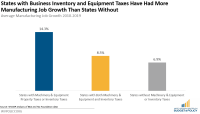


Leave a comment