
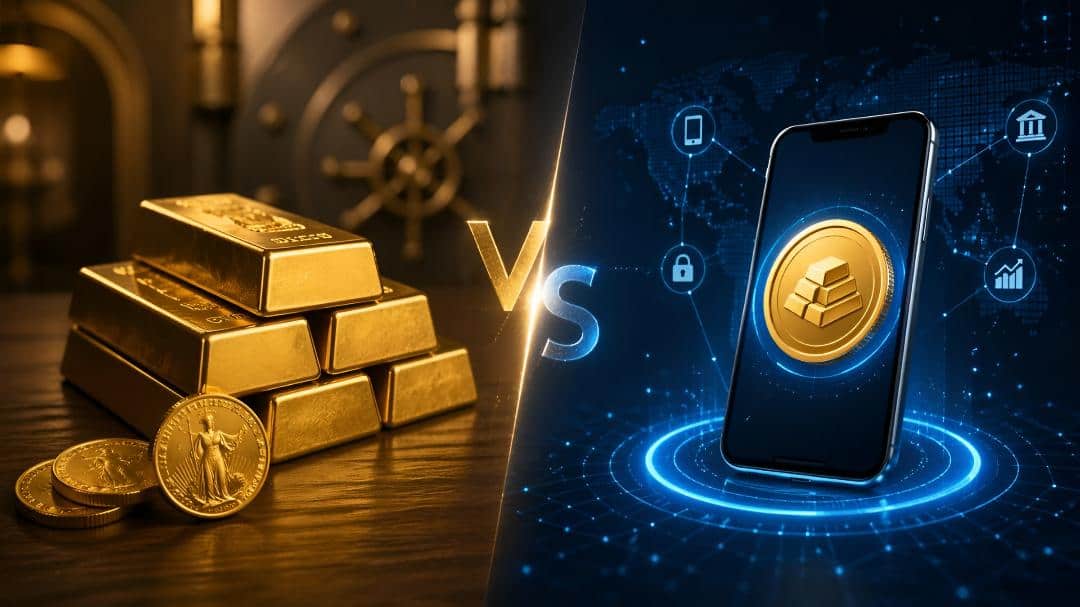
- Digital gold offers convenience but faces complex regulations and investor risks.
The place gold holds in the Indian investor’s psyche shows no sign of weakening. Indian households hold an estimated 25,000 to 34,600 tonnes of gold, more than the reserves held by the top 10 central banks combined. The question is not whether to buy gold but how.
Physical Gold: Legacy Asset, Expensive Entry
Gold jewellery, coins and bars hold deep cultural and emotional value for Indian households. For consumption, gifting, or generational wealth, BIS-hallmarked jewellery and coins remain the gold standard. As a pure investment, though, it is expensive to enter and exit.
Making charges can range from anywhere between 3 per cent to 25 per cent, a double GST (3 per cent on gold value and 5 per cent on making charges), and buy-back deductions at the time of sale mean a physical gold buyer is already behind by roughly 15 per cent before the price even moves.
Also Read: New Academic Year, New Expenses: How To Manage Rising Education Costs
Digital Gold: Convenient, But Carry the Caveat
Digital gold can be purchased in fractional amounts starting as small as Re 1 through apps. It has recently exploded in popularity. Data from the National Payments Corporation of India (NPCI) shows that digital gold purchases through UPI more than doubled in the ten months to September 2025, hitting 103.2 million transactions, with transaction value surging 85 per cent to Rs 1,410.2 crore.
The appeal is because it is mobile-first, guaranteed purity and convertible to physical coins. But the regulatory picture is complicated. On November 8, 2025, SEBI issued a public advisory warning that digital gold products have neither been notified as securities nor regulated as commodity derivatives, and that none of the investor protection mechanisms under its purview applies to them.
The practical fallout: no standard disclosure norms, no formal grievance redressal, and no capital safeguards if a platform runs into trouble.
The costs built into digital gold (GST plus platform spread) make it a decent savings habit but a poor tactical bet.
Gold ETFs: The Regulatory Upgrade
Gold ETFs, regulated by SEBI and traded on the BSE and NSE, offer a cleaner alternative to both. There are no making charges, no storage headaches, and no GST. ETF units are classified as securities, not physical metal. Selling is as simple as placing a stock order during market hours.
Earlier, Gold ETF rates were calculated based on a global benchmark set in London, which had to be adjusted for currency conversion, import duties, and local costs before it could reflect what gold actually trades for in India.
But the SEBI brought in a structural reform on April 1, 2026. ETFs are now priced directly using rates published by Indian exchanges, meaning what investors see is closer to what gold is actually worth in the domestic market.
Also Read: Think Your Investments Are Performing Well? Inflation May Say Otherwise
Which Option is the Best For You?
What you should buy depends on why you are buying. Physical gold is the first choice for cultural and consumption purposes. Digital gold is best for first-time, small investors who prefer simplicity over return optimisation. Gold ETFs are for you if you want to buy tactically when the price dips and build meaningful gold exposure.
Gold will keep its place in the Indian household regardless of which form it takes. The only thing worth getting right is making sure the costs do not quietly eat what the metal quietly builds.
BREAKING NOW: Indore fire tragedy as EV short circuit triggers deadly explosions














Leave a comment