
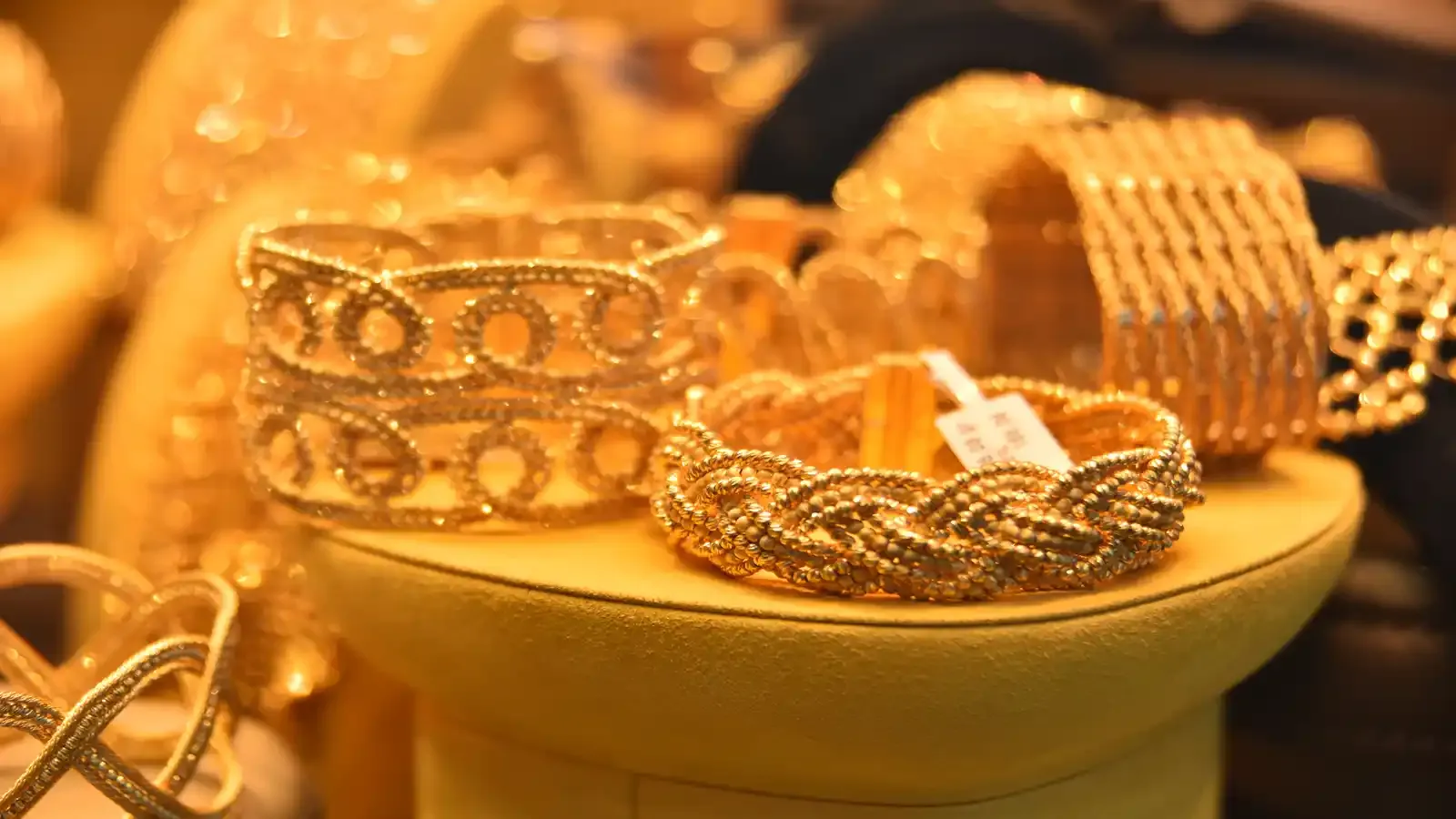
Rakhi is traditionally a time for gifts, and gold remains a popular choice for families looking for something that holds value beyond the festival.
But gold gifting today is not limited to jewellery or coins. Depending on your budget and your sibling’s investment preferences, you can also consider Gold ETFs, gold mutual funds or Electronic Gold Receipts (EGRs).
Here is a look at the options and what you should know before buying gold as a Rakhi gift.
Gold jewellery
If you want to stick to a traditional Rakhi gift, gold jewellery is the most obvious choice. A ring, bracelet, chain or pendant can be both a personal gift and an asset.
However, jewellery comes with making charges, which vary depending on the design and jeweller. You also pay 3% GST on the purchase. These additional costs mean the amount you pay is higher than the value of the gold itself.
If the primary purpose is investment, jewellery may therefore not be the most cost-efficient way to buy gold.
Gold coins
Gold coins are another option if you want to gift physical gold without paying the relatively high making charges associated with jewellery.
Coins are available in different weights and purities. Before buying, check the purity and hallmarking.
For someone who prefers to hold physical gold, a coin can be a relatively simple Rakhi gift.
Digital gold
Digital gold allows you to buy small quantities of gold online, while the underlying gold is typically stored in a vault. Depending on the platform, you may be able to redeem it for physical gold or cash.
Gold ETFs
If your sibling is already investing through a demat account, a Gold ETF could be another option.
Gold ETFs invest in physical gold and are traded on stock exchanges, much like shares. They allow investors to get exposure to gold without having to buy and store the metal themselves.
There are no jewellery-making charges, although investors need to consider expenses associated with the fund and buying or selling units.
Gold mutual funds
Gold mutual funds offer another way to invest in gold without holding the metal physically.
These funds typically invest in Gold ETFs and do not require a demat account. They can also be used through SIPs, making them an option for someone who wants to invest smaller amounts regularly.
For a sibling who is more comfortable with mutual funds than stock-market investing, this may be a simpler route to gold exposure.
Gold EGRs
The process broadly has three stages: physical gold is deposited with a vault and converted into EGRs; the receipts are traded on the exchange; and they can subsequently be converted back into physical gold, subject to the applicable rules.
EGRs are different from digital gold sold through online platforms. EGRs fall within the SEBI-regulated securities-market framework, while digital gold products offered by online platforms are outside SEBI’s regulatory framework.
For a sibling who understands market-based investments, EGRs can be another way of getting exposure to physical gold without keeping it at home.
Which gold option makes sense for Rakhi?
If the idea is to give your sibling a traditional gift they can wear or physically keep, jewellery or a gold coin may be the simplest choice.
If the focus is investment, Gold ETFs, gold mutual funds and EGRs offer regulated avenues to get exposure to gold without buying jewellery.
Ultimately, the best option depends on whether the gift is meant to be something to wear, something to hold or something to invest in.
Disclaimer: This article is written purely for informational purposes and should not be considered investment advice from Upstox. Securities mentioned are illustrative and not recommendations. Investors should do their own research or consult a registered financial advisor before making investment decisions.













Leave a comment