
What is leveraged gold trading?
Leverage allows a customer to control a position worth more than the cash deposited. A trader could, for example, place $1,000 as margin to take a position worth several thousand dollars.
Leverage magnifies gains when gold rises but also increases losses when it falls. The trader may then have to deposit more money or face automatic liquidation.
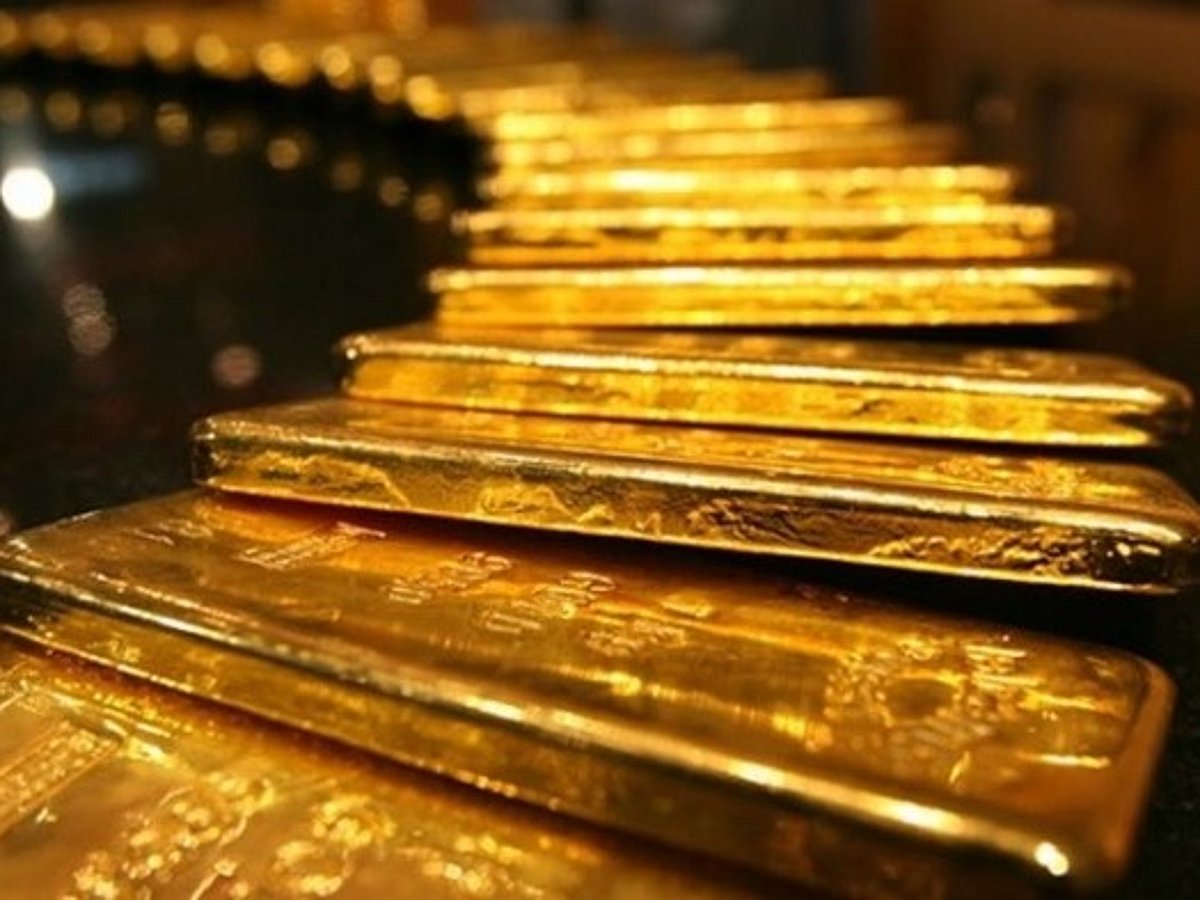
That differs from buying a coin, bar or jewellery. A physical buyer pays the full price and owns the metal. A leveraged trader mainly takes a position on its future price.
Gold’s steep movements in 2026 increased the risk of losses and margin calls. Several Chinese banks raised the amount customers had to deposit, with some margin requirements reaching 140 per cent, according to the South China Morning Post.
Has China banned ‘paper gold’?
No. “Paper gold” is a loose term covering products that work in different ways. A leveraged retail contract is not the same as a gold exchange-traded fund. Futures used by a jewellery company to manage price risk also differ from speculative retail trades.
Chinese buyers can still purchase bars and coins, use gold savings plans and invest through gold-backed ETFs. The Shanghai Gold Exchange remains open, while futures continue trading on the Shanghai Futures Exchange.
Jeffrey Christian, managing partner at commodities consultancy CPM Group, described the move as the completion of a five-year retreat from risky retail leveraged products, rather than a transformation of global gold trading.
CPM Group also rejected claims that physical gold was disappearing or that international futures markets were approaching a collapse.
Why did gold price not surge?
The market had a month to prepare for ICBC’s deadline. Customers could gradually sell, close positions or arrange delivery, while other banks had started withdrawing earlier.
The affected retail positions represented only part of China’s market and a still smaller share of global trading. Gold continues to change hands through exchanges, investment funds, banks, bullion dealers and institutional markets worldwide.
Prices on July 24 instead responded largely to oil, bond yields and US interest-rate expectations.
Brent crude had climbed above $100 a barrel after Iran-aligned Houthi forces said they struck two Saudi tankers in the Red Sea. The rise increased inflation concerns and expectations of further US rate increases. Brent then fell more than 4 per cent on Friday, helping gold recover modestly.
Higher rates can weigh on gold because the metal pays no interest. Bonds become more attractive when yields rise, increasing the opportunity cost of holding bullion.
“Elevated oil prices and rising yields are likely to cap any recovery, leaving $4,000 as the key near-term level to watch,” ING analysts said in a note. Independent metals trader Tai Wong said: “Gold feels ready to move back higher,” adding that “a Fed clearly on hold next week would help.”
Was China buying physical gold?
Chinese physical demand was strengthening before the deadline. China imported about 173 tonnes of gold in June, the highest monthly total since March 2024 and its third consecutive increase, according to customs figures reported by the World Gold Council. Imports reached about 163 tonnes in May.
Lower international prices and a stronger yuan made bullion cheaper. Banks also rebuilt inventories used for physical sales and gold accumulation plans, which allow customers to purchase small amounts gradually.
China’s central bank added about 14.9 tonnes to its reserves in June, extending its reported buying run to 20 months. It was the largest monthly purchase since 2023, according to figures from China’s State Administration of Foreign Exchange.
The data show buyers took advantage of lower prices. They do not prove that bank closures forced investors from financial products into physical bullion.
“The correction appears to have transferred bullion from weak financial hands into stronger official and physical hands, but the next major leg higher still requires broader investment participation and a decisive technical breakout,” market strategist Stephen Innes wrote in a research note.
Could Chinese buying aid prices?
Chinese dealers quoted premiums of $3 to $6 an ounce over international spot prices during the week ended July 24. A premium means buyers are willing to pay above the global benchmark, which can encourage imports.
“The premiums this week are a bit firmer, as the market is seeing increased physical demand and buying interest, with $4,000 acting as a good support level,” Peter Fung, head of dealing at Wing Fung Precious Metals, told Reuters.
Stronger Chinese and central-bank demand can absorb metal during a sell-off, potentially limiting declines. It does not guarantee a sustained rally.
Innes said the next major advance would still require wider private investment. That could include renewed gold ETF inflows, greater futures demand and increased institutional allocations.
Gold finished the week near $4,068. CPM Group identified technical support near $3,800 and said the rollover of August COMEX futures into later contracts could support prices over the next week or two.
The wider direction will remain tied to the Federal Reserve, oil, bond yields, the dollar and geopolitical risks. China has reduced one route for speculative retail trading while continuing to buy physical metal. Neither development means gold must rise immediately, as the subdued July 24 reaction showed.

Justin is a personal finance author and seasoned business journalist with over a decade of experience. He makes it his mission to break down complex financial topics and make them clear, relatable, and relevant—helping everyday readers navigate today’s economy with confidence.
Before returning to his Middle Eastern roots, where he was born and raised, Justin worked as a Business Correspondent at Reuters, reporting on equities and economic trends across both the Middle East and Asia-Pacific regions.













Leave a comment