
Key Takeaways
- Written-down value is applicable to both tangible and intangible assets, addressing depreciation and amortization, respectively, which helps in better matching expenses with sales during the asset’s useful life.
- The calculation of written-down value involves subtracting accumulated depreciation or amortization from the asset’s original cost, providing insight into the asset’s current net worth on the balance sheet.
- Understanding written-down value is crucial for determining the potential selling price of an asset, as it sets a baseline for negotiations and can indicate tax implications for any gains realized from a sale.
- Various depreciation methods, like the straight-line and diminishing balance approach, are used to spread the cost of an asset over its useful life, impacting the calculation of its written-down value.
- Keeping track of the written-down value allows companies to monitor when an asset reaches the end of its useful life or needs renewal, ensuring accurate financial records.
Get personalized, AI-powered answers built on 27+ years of trusted expertise.
What Is Written-Down Value?
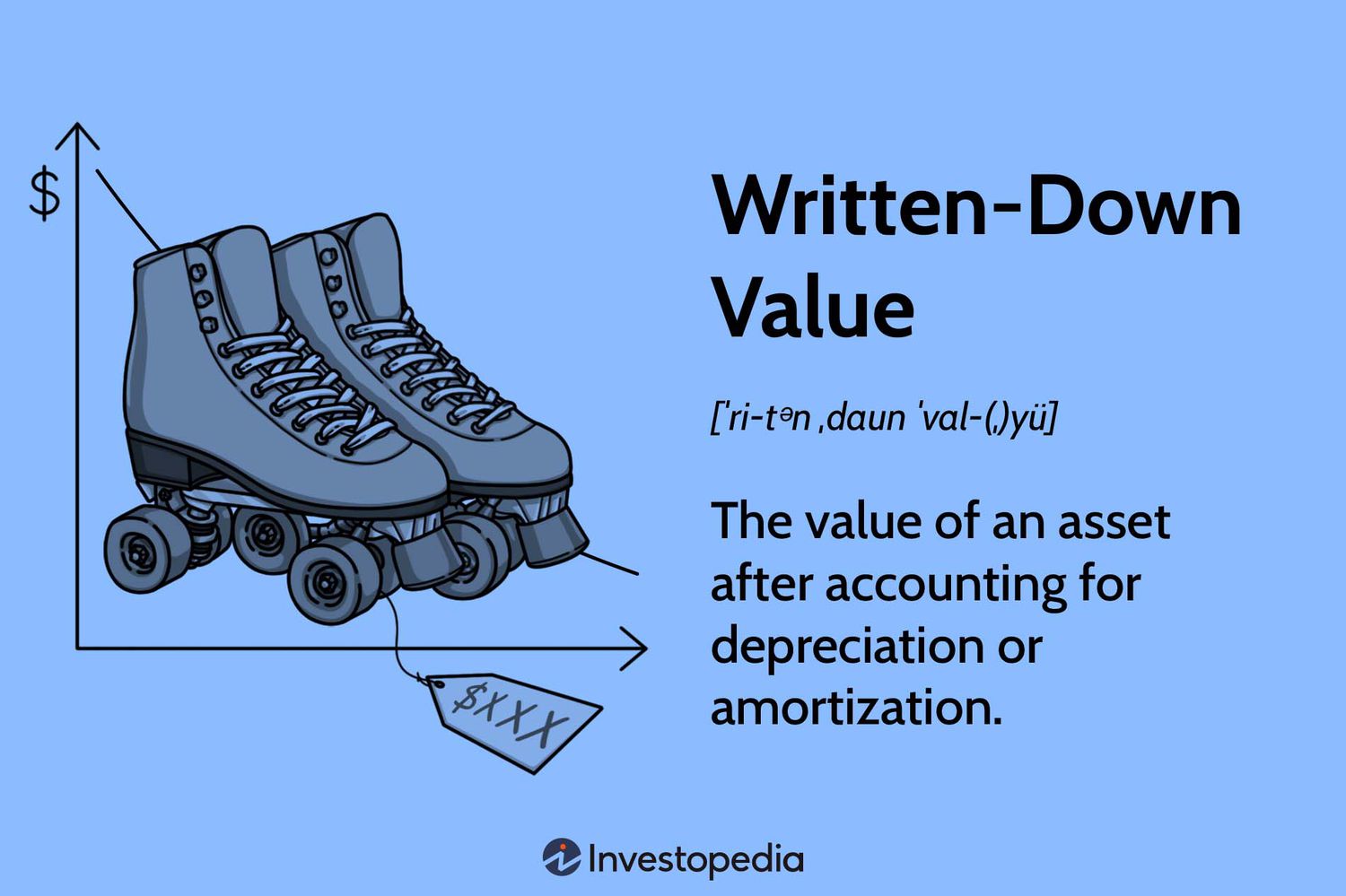
Written-down value is the value of an asset after accounting for depreciation or amortization. In short, it reflects the present worth of a resource owned by a company from an accounting perspective. This value is included on the company’s balance sheet in its financial statements. Written-down value is also called book value or net book value.
Written-down value is used to reflect an asset’s current value by subtracting accumulated depreciation or amortization from its original cost. Depreciation used for physical assets and amortization for intangible assets, which defines how to expense an asset over its useful life.
Understanding the Mechanics of Written-Down Value
In accounting, there are various conventions designed to better match sales and expenses to the period in which they are incurred. One common method companies use is called depreciation or amortization.
Companies use depreciation for physical assets like machinery and amortization for intangible assets like patents and software. Both methods allow firms to spread out the cost of resources over time. Instead of deducting the full price from net income immediately, companies can spread asset costs over time.
For example, if a company bought a piece of machinery, it wouldn’t have to expense it in the year that it was bought, but could stretch out the cost of the machinery over a number of years until it is sold or disused; a period known as its useful life.
Written-down value is a method used to determine a previously purchased asset’s current worth and is calculated by subtracting accumulated depreciation or amortization from the asset’s original value. The resulting figure will appear on the company’s balance sheet.
Different Methods of Amortization Explained
Amortization can be used to write-down the value of debt or intangible assets and is slightly more complicated than depreciation methods. The asset’s book value is reduced on the company’s books according to a set schedule.
Various methods can be used for amortizing different types of assets. Intangible assets, such as patents, are typically written down annually. Bonds, on the other hand, often use an effective interest method of amortization.
Meanwhile, amortization schedules for outstanding loans normally follow the repayment schedule of the loan, with differentiation for interest and principal. Some additional amortization methods are also available, including diminishing balance and balloon.
The written-down value of an amortized asset helps a company track its value. When an asset is amortized to zero, it can be taken off the books or may need to be renewed.
Exploring Depreciation Techniques
Written-down value can be calculated by a method of depreciation that is sometimes called the diminishing balance method. This accounting technique reduces the value of an asset by a set percentage each year. Many other depreciation techniques exist to capitalize the expenses of different asset types.
One example is straight-line depreciation, which deducts the same cost every year based on dividing the difference between the asset’s cost and its expected salvage value by the number of years it is expected to be used.
The written-down value of a depreciated asset is important because it is included in the comprehensive value of a company’s total assets. Depreciated assets typically start on the books at their purchase price and are often sold before they are depreciated to zero.
The depreciated value of an asset helps determine its selling price. When selling the asset, the book value is used to help determine the minimum value for which it will be sold.
Real assets typically sell for a price range within their book value and the highest fair market value. If a gain occurs from the sale of an asset, it will be taxable in most cases. The taxable gain on a sale is often determined by comparing the sales from the item to its written-down value.













Leave a comment