
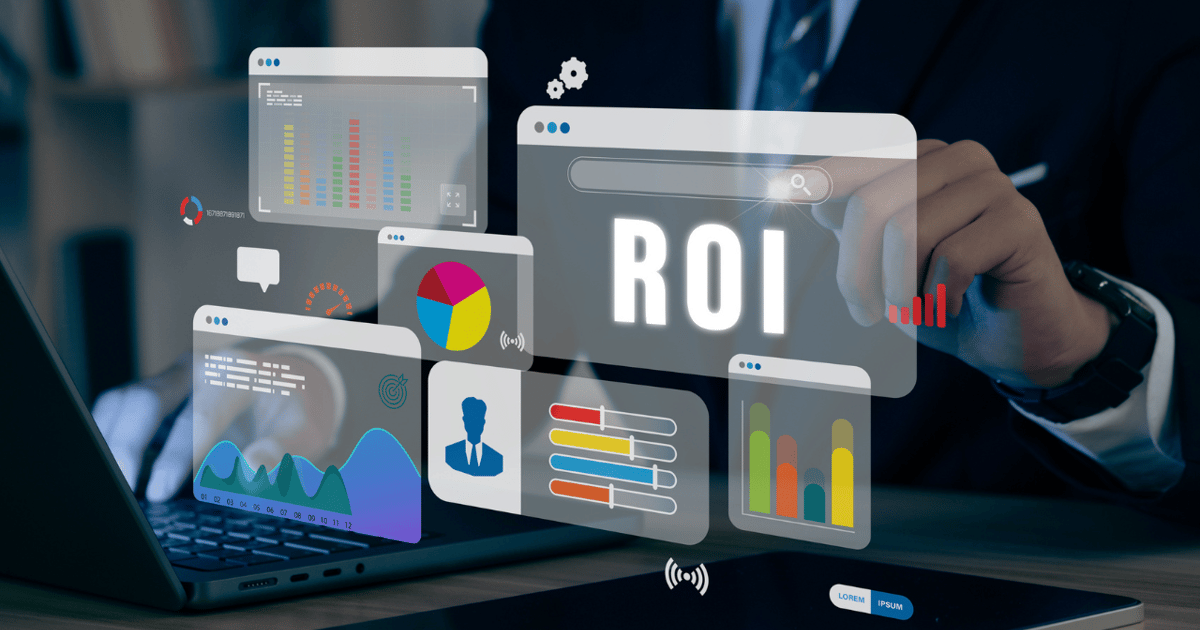
A manufacturer’s intangible assets are vastly more valuable than its tangible assets; therefore, these invisible assets can be successfully leveraged for growth, while minimizing risk.
At the upcoming MEDevice Boston show in September, Paul Adams, JD, managing director of intangible assets at the Amsterdam, Netherlands, office of Andersen Consulting, will hold a seminar titled The Hidden Drivers of Medtech Return on Investment.
Adams provided a preview of his presentation to MD+DI.
What are some examples of intangible assets held by medical device manufacturers?
Adams: These include approvals and certifications, such as FDA approval or certification for a particular standard. Other examples are patents, brand, data, designs, software, and supplier and customer relationships.
In fact, 90% of the value of the entire S&P 500 is now in intangible assets, and for medical device companies, that percentage is typically even higher.
Why are intangible assets key to bolstering return on investment (ROI)?
Adams: The research shows very clearly that ultimately intangible assets are what drives all growth. Companies that invest more in intangible assets grow faster than those that don’t. Understanding your intangible assets is absolutely essential for medical device companies.
Imagine you have a state-of-the-art medical device production line, but one day you can’t use your intangible assets. You can’t use your software, you can’t use your industry know-how, you can’t use your relationships, you can’t use your brand, you can’t use your approvals. It’s pretty obvious quite quickly that the production line is dead in the water.
How can manufacturers leverage their invisible assets for product development?
Adams: A lot of manufacturers don’t even understand that they actually have these assets in any significant way because financial statements basically ignore them.
Once manufacturers understand that they have these assets and that they are very valuable, they can begin to take steps to extract value from them. They can start to protect those assets, they can figure out the best way to commercialize them, and they can use them in deals.
_(18).png?width=1400&auto=webp&quality=80&disable=upscale "Copy_of_MD_DI_Quote_Graphic_(1600x900)_(18).png")
How can manufacturers mitigate the risks of their intangible assets?
Adams: The risks for intangible assets are quite different than those for conventional assets. You insure a building for fire because we know buildings can burn down, but you don’t insure for theft because people don’t typically steal buildings. On the other hand, you wouldn’t insure software for fire because software doesn’t burn, yet it’s highly vulnerable to theft. Software is very easily stolen.
One of the big problems found with intangible assets is chain of title. Can you prove that you own it? With physical assets, that’s generally pretty easy to prove. That asset will normally appear on a fixed asset register (FAR) and be recorded on the financial accounts.
Proving you own an intangible asset can be a lot more challenging because many of them are not recorded or registered. Hence, you need to be very methodical about tracking who owns what intangible asset, how it was created, and when it was created, and documenting it very carefully.
How do intangible assets impact ROI for the commercialization pathway?
Adams: Your intangible assets are like the foundation of a building. The foundation is going to directly influence the size and type of building you can build on top of it. If the foundation is small or broken or warped, this will limit the size and type of building you can build on top of it.
Conversely, if your intangible asset position is strong — like having a very deep, broad, strong foundation — you can build a much bigger building on top of it, and you’ve got numerous options for the kind of building you can construct.
There is a close correlation between strong intangible assets and the scale of the opportunity you can create and the type of commercialization options available to you. If you have weak intangible assets, you have few options available to you. But if you have very strong intangible assets, then you have a lot of options available to you.










Leave a comment