
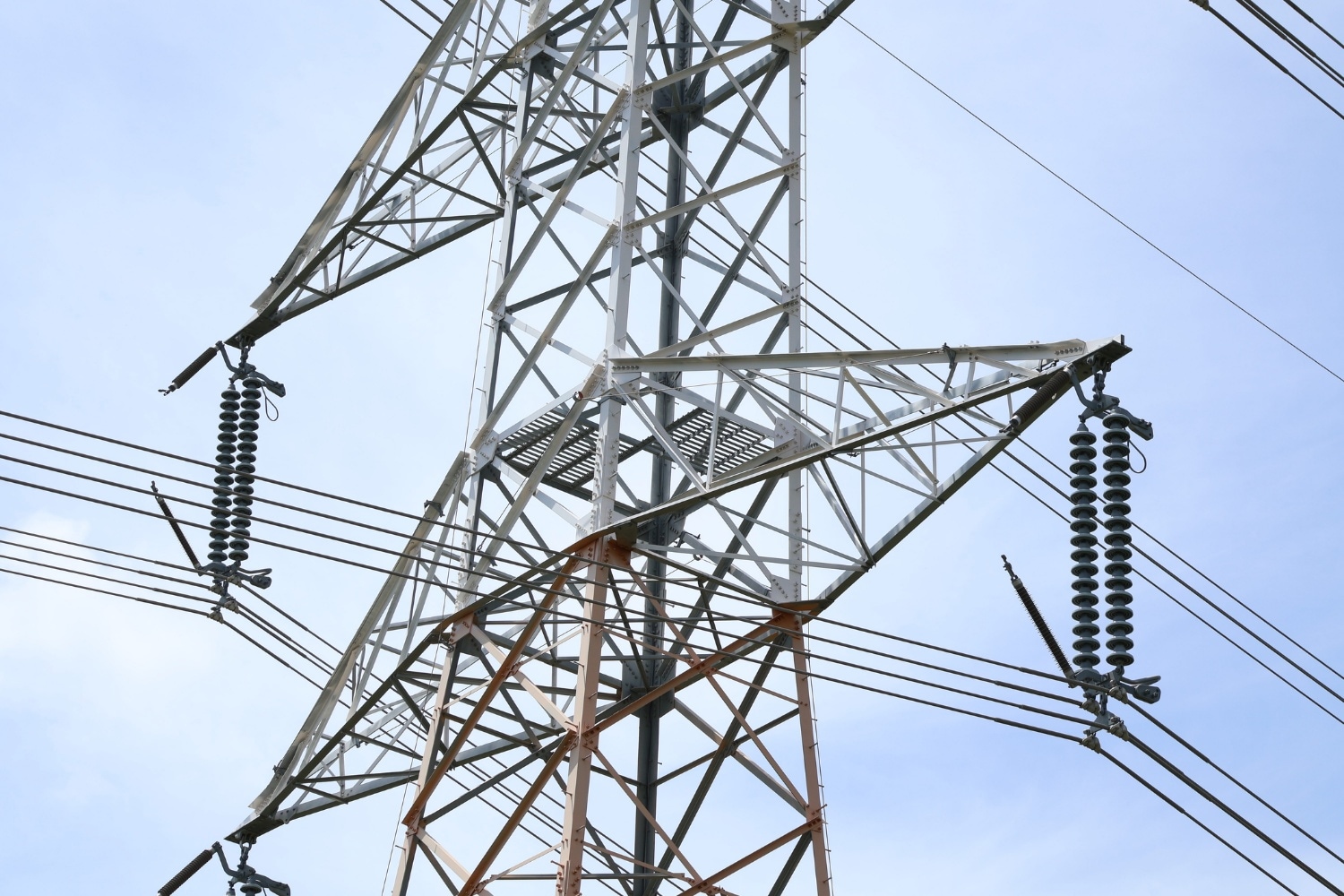
Heavy industries are not just picking up momentum in the developed world. In emerging markets, rising demand for stocks linked to electricity grids, utilities, manufactured goods, and other “capital-intensive businesses” is also driving higher returns for equity investors, according to Goldman Sachs Research.
Are HALO stocks in emerging markets a good investment?
A basket of emerging market equities in “capital-intensive” industries would have gained 115% since late 2025, compared with 7% for “capital-light” stocks (as of June 5), write Sunil Koul, the head of global emerging market equities at Goldman Sachs Research, and Tarun Lalwani, an emerging markets analyst, in a report.
Despite the rally, the basket of capital-intensive stocks is trading at a 20% valuation discount to the capital-light one. The former is expected to have greater earnings momentum in 2026 and 2027.
“We expect the outperformance of capital-intensive stocks to persist given stronger fundamental momentum and tailwinds from strategic investments in these sectors due to geopolitical and energy security considerations,” they write. “On the other hand, capital-light businesses in sectors like software and IT services remain increasingly at the risk of disruption from artificial intelligence.”
The upshot: emerging markets companies are getting the same boost from the HALO effect as similar companies in the US, Europe, and Japan, write Koul and Lalwani. Peter Oppenheimer, Goldman Sachs’ chief global equity strategist, says the AI-driven boom in capital expenditures should spur a sustained increase in demand for tangible assets and HALO stocks.
What are HALO stocks?
HALO, which stands for “heavy assets, low obsolescence,” is a label that investors are increasingly attaching to companies that are capital-intensive, highly regulated, and deliver capital goods and services over the long term. HALO companies are in sectors that have high barriers to entry, and their businesses are hard to replicate.











Leave a comment