

Stocks pushed higher Friday while oil prices rose as traders tracked headlines on the chances for peace in the Middle East, against a backdrop of corporate earnings optimism and AI enthusiasm that have pushed indexes to record highs.
Wall Street moved broadly higher after the Dow Jones reached an all-time high Thursday, despite concerns that soaring energy prices will stoke inflation and lead central banks to hike interest rates.
US Federal Reserve Governor Chris Waller added his voice to a growing bloc of policymakers calling for the US central bank to indicate that its next move could be an interest rate hike.
Fears about inflation and higher interest rates earlier this week sent the yield on the 30-year Treasury to its highest level since 2007, with long-term debt yields in Britain and Japan hitting rates not seen since last century.
The rise in debt costs could force governments to cut back spending, just as economic activity is slowing due to higher energy costs.
European markets also posted gains after Asia closed out the week with a rally, with sentiment boosted by AI chip giant Nvidia’s latest earnings report that blew past analyst forecasts.
“Nobody really knows where these (US-Iran) negotiations are heading, but for now, markets are doing what they often do when a potential geopolitical off-ramp appears — tentatively moving as if the good news could be around the corner,” said Matt Britzman, senior equity analyst at Hargreaves Lansdown.
The US and Iran have a “50-50” chance of reaching an agreement that would free up the Strait of Hormuz, according to a senior UAE official.
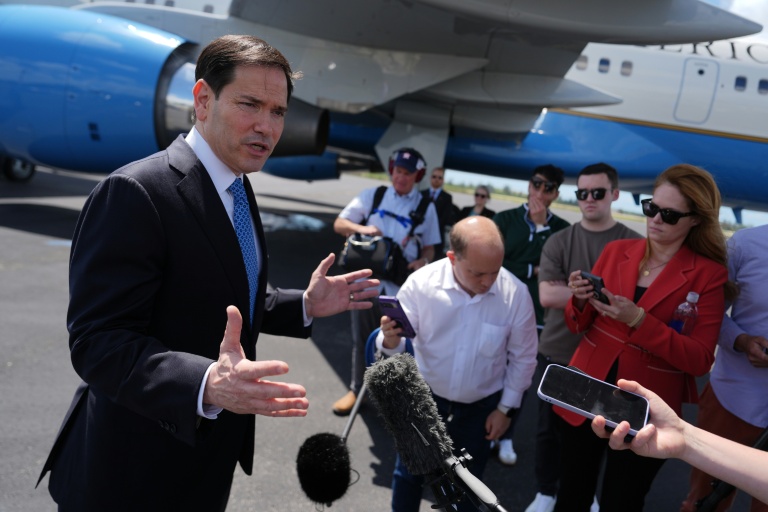
US Secretary of State Marco Rubio meanwhile said talks to end the war could progress, with help from Pakistani mediators to help strike an agreement.
President Donald Trump warned this week that negotiations were on the “borderline” between a deal and renewed strikes.
A key sticking point remains the Strait of Hormuz, which is effectively closed to around one-fifth of global energy supplies.
The head of the International Energy Agency, Fatih Birol, warned Friday that oil markets risk entering a “red zone” by July or August if there is no progress on ending the war and getting Gulf oil shipments back flowing.
“The market continues to think that a deal between the US and Iran is likely, even if we have had mixed messages from both sides,” said Kathleen Brooks, research director at XTB trading group.
In Europe, German business morale unexpectedly increased in May, a survey showed Friday, raising hopes that Europe’s biggest economy is weathering the Iran war energy shock better than feared.














Leave a comment