
DODOMA: SOME Members of Parliament have raised concerns over billions of shillings held in dormant bank accounts, mobile money wallets, pension funds and other unclaimed financial assets, arguing that the funds could be put to productive use if managed under a transparent legal framework.
The issue emerged during the ongoing debate on the 2026/27 national budget, with lawmakers calling for stronger oversight and mechanisms to safeguard unclaimed assets, while protecting the rights of their owners.
They noted that dormant bank accounts, forgotten mobile money balances, unclaimed pension benefits, shares and bonds could be holding enormous sums that, if properly managed under a transparent legal framework, could contribute significantly to national development.
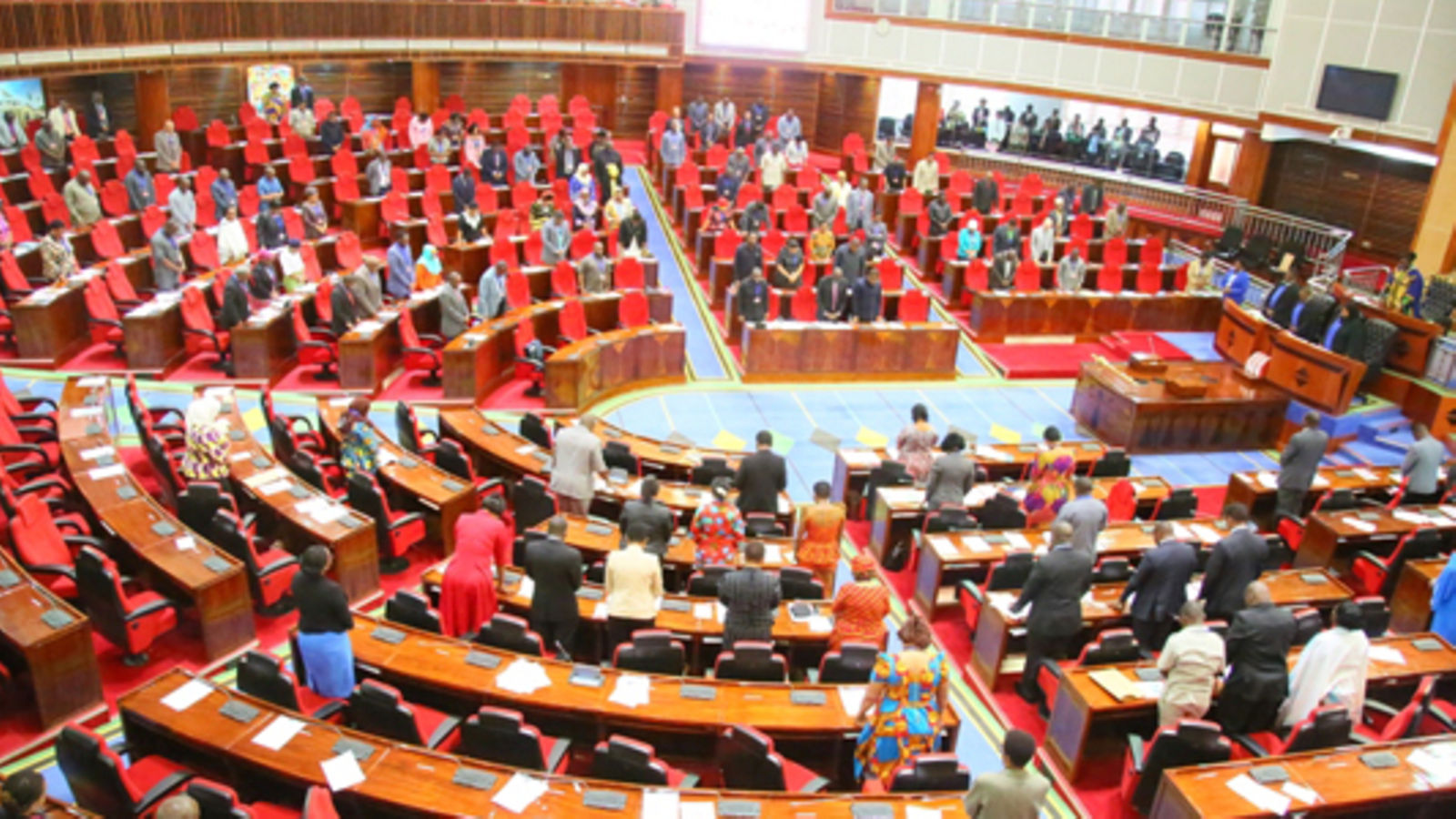
Contributing to the debate, Makete MP Festo Sanga (pictured) (CCM) called for the establishment of a dedicated authority to identify, safeguard and manage unclaimed financial assets, while protecting the rights of owners and beneficiaries.
The legislator questioned the government’s handling of financial assets belonging to deceased persons and account holders who have abandoned or forgotten their investments.
He said substantial amounts of money remain idle in banks, mobile money platforms, pension funds and capital markets without adequate public disclosure or a clear mechanism for tracing rightful beneficiaries.
According to Mr Sanga, while neighbouring Kenya publicly discloses such assets through its Unclaimed Financial Assets Authority, Tanzania lacks a dedicated institution and a publicly accessible database that would allow citizens to verify whether they or their relatives have dormant financial assets.
He noted that although reports by the Controller and Auditor General (CAG) indicate that a number of banks have reported dormant assets, little information is available regarding unclaimed balances held by mobile network operators, whose platforms serve millions of customers.
said many Tanzanians have abandoned SIM cards or forgotten mobile money accounts containing funds, while others have died without their families knowing about the existence of such balances.
Without proper reporting and oversight, the country risks losing track of enormous financial resources,” he said.
The MP warned that weak accountability mechanisms create room for abuse and possible corruption, arguing that dormant funds worth trillions of shillings could remain inaccessible due to institutional loopholes.
He urged Parliament to advise the government to establish a formal authority responsible for collecting, safeguarding and managing unclaimed financial assets from banks, pension funds, telecommunications companies and investment institutions.
Such an authority, he said, would protect citizens’ interests while creating an additional source of revenue to support development projects without affecting owners’ rights to reclaim their assets.
Mr Sanga also disclosed his intention to table a private member’s motion on the matter, noting that previous commitments to address the issue have yet to be implemented.
He maintained that, if properly managed, unclaimed financial assets could become an important source of domestic revenue while promoting transparency and accountability in the financial sector.
Meanwhile, Mwera MP Suleiman Mohamed Rashid (CCM) said effective public financial management requires strong professional capacity and robust performance evaluation systems.
He called for greater investment in experts capable of managing complex financial systems and ensuring the efficient use of public resources.
ALSO READ: TADB records rapid financial growth
The legislator said Key Performance Indicators (KPIs) should not only measure project outputs but also assess their long-term impact on citizens and the economy.
He further advocated stronger monitoring and evaluation systems across government institutions and proposed the establishment of specialised bodies to oversee technical functions requiring professional independence.
According to him, such institutions would enhance efficiency, strengthen accountability and reduce pressure on central government structures.
Another lawmaker, Lutengano Mwalwiba (Busokelo-CCM), broadened the discussion by linking efficient resource management with national economic competitiveness.
While focusing primarily on transport infrastructure and trade logistics, he argued that maximising existing national resources remains essential for achieving sustainable development.
He pointed to increasing cargo volumes moving through the Port of Dar es Salaam to countries within the Southern African Development Community (SADC), saying improved infrastructure would enable Tanzania to capture a larger share of the regional market.
According to him, investments in strategic roads, railways and port facilities should be complemented by prudent financial management that reduces unnecessary borrowing while strengthening domestic revenue mobilisation.
Mr Mwalwiba commended government efforts to improve fiscal discipline, noting reductions in public borrowing thresholds, but urged authorities to continue reducing reliance on debt through enhanced internal resource mobilisation.
The lawmaker also stressed that increased agricultural production resulting from government subsidies should be matched by reliable markets to ensure farmers receive meaningful returns from their investments.













Leave a comment