
Key Takeaways
- Fixed capital represents long-term investments in assets like property and equipment.
- Fixed assets are durable and reusable, unlike consumables that are used in daily operations.
- Depreciation of fixed capital affects financial health and performance insight.
- The procurement process for fixed capital can be time-consuming and risky without redundancy.
- Fixed capital is crucial for long-term business operations across various industries.
Get personalized, AI-powered answers built on 27+ years of trusted expertise.
What Is Fixed Capital?
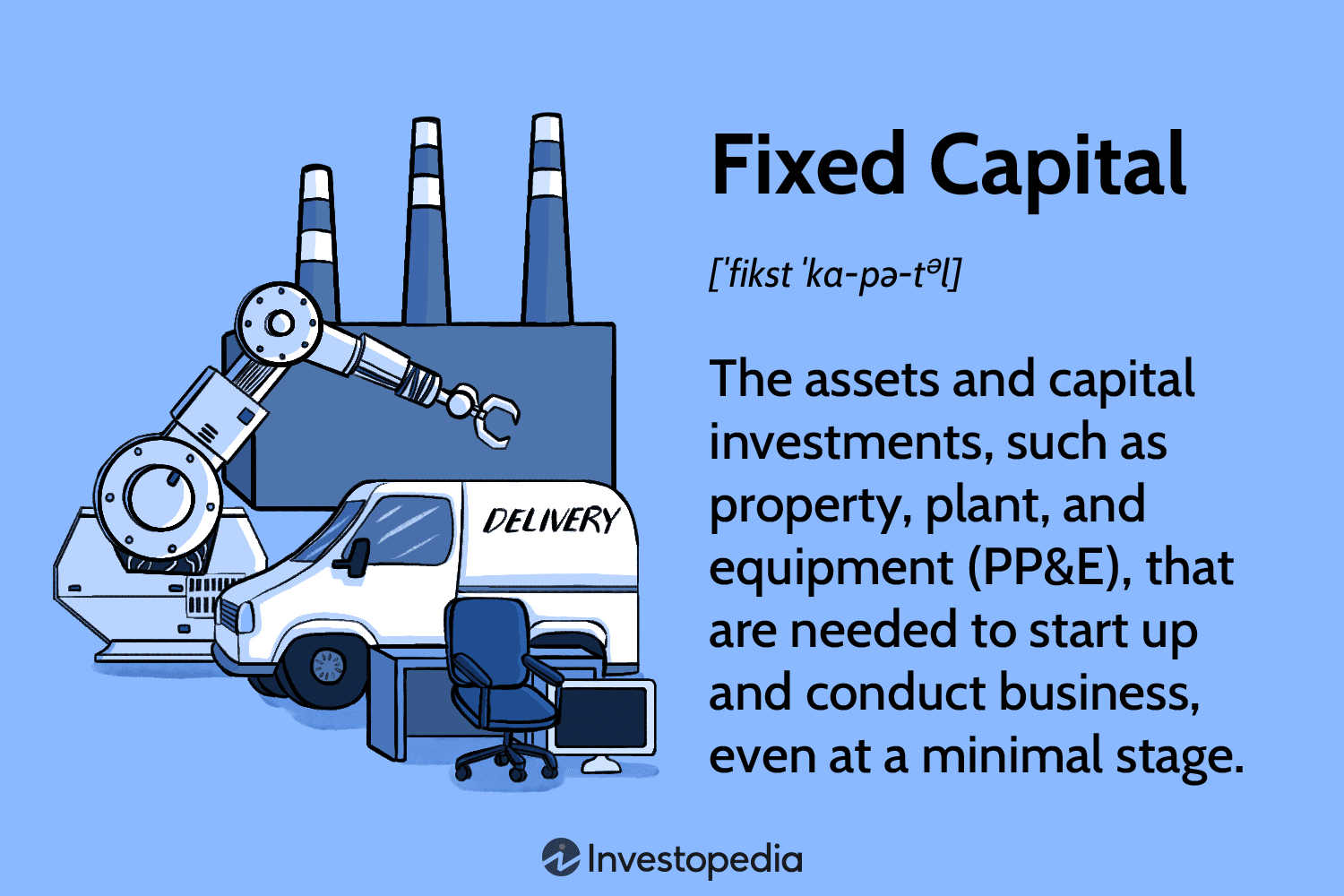
Fixed capital is money that has been invested in fixed assets or the long-term assets that a company needs to start up and conduct business, such as property, plant, and equipment (PPE). These assets are considered fixed in that they are not consumed or destroyed during the actual production of a good or service but have a reusable value. Key aspects of fixed capital include depreciation and liquidity.
Fixed capital is a concept used in economic thinking as well as business accounting. In accounting terms, fixed capital is a metric that can be used to understand the financial health of a business. Fixed capital investments are typically depreciated on the company’s accounting statements over a long period of time—up to 20 years or more. In contrast, working capital describes the funds and assets that a business needs to pay for its day-to-day operations in the short term.
Fixed capital is relevant across different industries and business types.
Insights into Fixed Capital: History and Economic Perspectives
The concept of fixed capital was first introduced in the 18th century by the political economist David Ricardo. For Ricardo, fixed capital meant any physical asset not used up in creating a product. This was opposed to Ricardo’s idea of circulating capital, such as raw materials, operating expenses, and labor. In Marxian economics, fixed capital is closely related to the concept of constant capital.
Fixed capital is the part of a business’s capital spent on physical assets like factories and machinery that remain in use over the long term. Fixed assets can be purchased and owned by a business, or they can be structured as a long-term lease.
On the other side of the capital equation is what circulates, or what is consumed by a company in the process of production. This includes raw materials, labor, operating expenses, and more. Marx emphasized that the distinction between fixed and circulating capital is relative since it refers to the comparative turnover times of various types of physical capital assets.
Fixed capital also “circulates,” but takes longer, as assets are used for years before yielding value and being sold for salvage. A fixed asset may be resold and reused at any time before its useful life is over, which often happens with vehicles and airplanes.
Fixed capital assets can be contrasted with variable assets, the cost and level of which change over time, and with the scale of a company’s output. For instance, machinery used in production would be considered fixed capital, as it would remain with a company regardless of current output levels. Raw materials, on the other hand, would fluctuate depending on output levels.
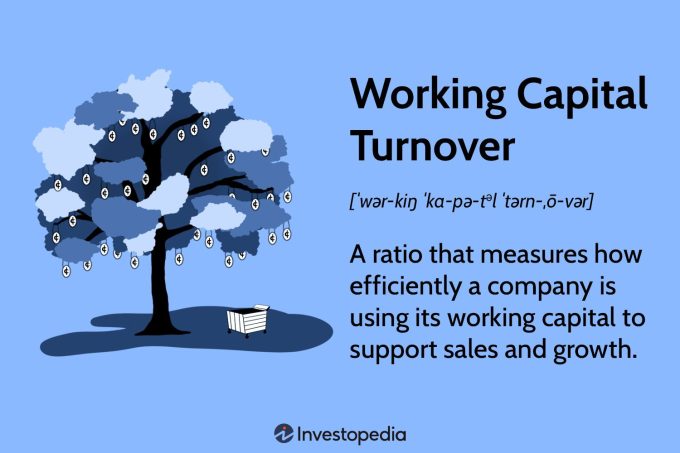
In accounting terms, fixed capital can also be compared to working capital, which refers to the funds and liquid assets needed to cover a business’s daily operational expenses.
Fixed Capital Needs by Industry
The fixed capital needed to start a business varies greatly, especially by industry. Some lines of business require a large number of fixed-capital assets. Industrial manufacturers, telecom companies, and oil firms commonly have high fixed capital needs. Service-based industries, such as accounting firms, have more limited fixed capital needs. This can include office buildings, computers, networking devices, and other standard office equipment.
While production businesses easily access inventory, acquiring fixed capital can take time. It may take a business a significant amount of time to generate the funds necessary for larger purchases, such as new production facilities. If a company uses financing, it may take time to obtain proper loans. This can increase the risk of financial losses associated with low production if a company experiences an equipment failure and does not have redundancy built in.
Important
Depending on the industry, the time it takes to procure fixed capital can be quite lengthy, which can increase the risk of financial losses if a company has not built in redundancy.
Fixed Capital Depreciation Over Time
Fixed capital investments usually don’t depreciate evenly as shown on income statements. Some depreciate quickly, while others last much longer. For example, a new vehicle loses significant value when it is officially transferred from the dealership to the new owner. In contrast, company-owned buildings may depreciate at a much slower rate.
The depreciation method allows investors to see a rough estimate of how much value fixed capital investments are contributing to the current performance of the company.
Liquidity Challenges in Fixed Capital
While fixed capital often maintains a certain level of value, these assets are not considered very liquid in nature. This is due to:
- The limited market for certain items, such as manufacturing equipment
- The high price of these assets
- The time it takes to sell a fixed asset, which is usually lengthy
What Is the Difference Between Fixed Capital and Working Capital?
Whereas fixed capital describes money invested in fixed or long-term assets, working capital describes the cash and other liquid assets that a business might use in its daily operations, like paying invoices or staff payroll.
What Is an Example of Fixed Capital?
Because fixed capital describes investments in long-term assets that are not consumed or destroyed in the production of a good or service, a standard example of fixed capital items is property, plant, and equipment (PP&E).
How Much Fixed Capital Do I Need to Set Up a Business?
The amount of fixed capital required to start a business varies depending on the business type and industry. Some lines of business require many fixed capital assets, whereas service-based companies tend to have more limited fixed capital requirements. For example, an industrial manufacturer would need to purchase a variety of factory equipment, whereas an accounting firm may simply require office equipment.
The Bottom Line
Fixed capital is a necessary aspect of any business, although the nature of it varies depending on the company and industry. Every industrial enterprise requires land, buildings, and other major equipment to get started and continue operations in the long term. Fixed capital is illiquid, so the procurement process can be lengthy and may affect business operations. Depreciation of fixed capital impacts the company’s financial statements over time.
While fixed capital tends to serve the business indirectly over a long period of time, working capital is required in the short term to keep the business operating, growing, and paying its employees. Both are important accounting metrics used to analyze the financial health of a business.








Leave a comment