
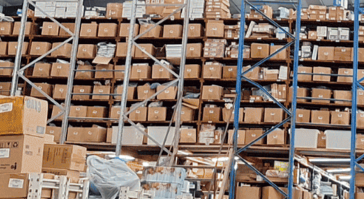
When Kenya’s residents use their phones to order groceries, electronics or fashion items, few think about the warehouses and logistics hubs humming in the background.
- •Yet every click is quietly reshaping Kenya’s industrial property market, a lucrative sector in a continent where the e-commerce market is projected to surpass $75bn by 2025, according to McKinsey Global Institute.
- •This potential for online shopping has translated into a rush for modern logistics and storage facilities.
- •The combination of strong rental income and rising occupancy has turned Kenya’s logistics sector into a magnet for both local and international investors.
In Africa, warehouse occupancy rose to to 83% in the first half of 2025, up from 75% a year earlier. “The demand is outpacing supply, especially for Grade A warehouses that can support climate-controlled storage and last-mile delivery,” the African Industrial Market Dashboard-H1 report notes.
Prime warehouse rents in Nairobi stand at US$ 6 per square metre per month, while industrial yields average 9.5% – among the most attractive in Africa. By comparison, Johannesburg yields average 8.25% and Lagos 8%.
Kenya’s Special Economic Zones (SEZs) and Export Processing Zones (EPZs) are playing a critical role in this transformation. By offering tax breaks, duty exemptions and streamlined customs processes, these zones have become magnets for global logistics firms, e-commerce operators and light manufacturers. Tatu City, Athi River, and Naivasha are emerging as hotspots, giving investors confidence to commit capital to long-term infrastructure.
The boom has drawn in global players in Kenya. Emirates Logistics, part of the Dubai-based Emirates Group, has announced plans to build a state-of-the-art hub at Tatu City’s SEZ, strengthening Nairobi’s role as a gateway for Sub-Saharan Africa.
In Tanzania, monthly warehouse rents average $5 per square metre, with yields of about 10%, supported by the government’s plan to build 1,500 new warehouses to reduce post-harvest losses. In Uganda, rents range between $3 and $7, with yields of around 13% – the highest in the region, though supply remains constrained, especially for Grade A space. Ethiopia, by contrast, has leaned heavily on state-led industrial parks, with less private-sector investment than Kenya’s market-driven SEZs.








Leave a comment