
Bogotá, Colombia, 3 June 2026
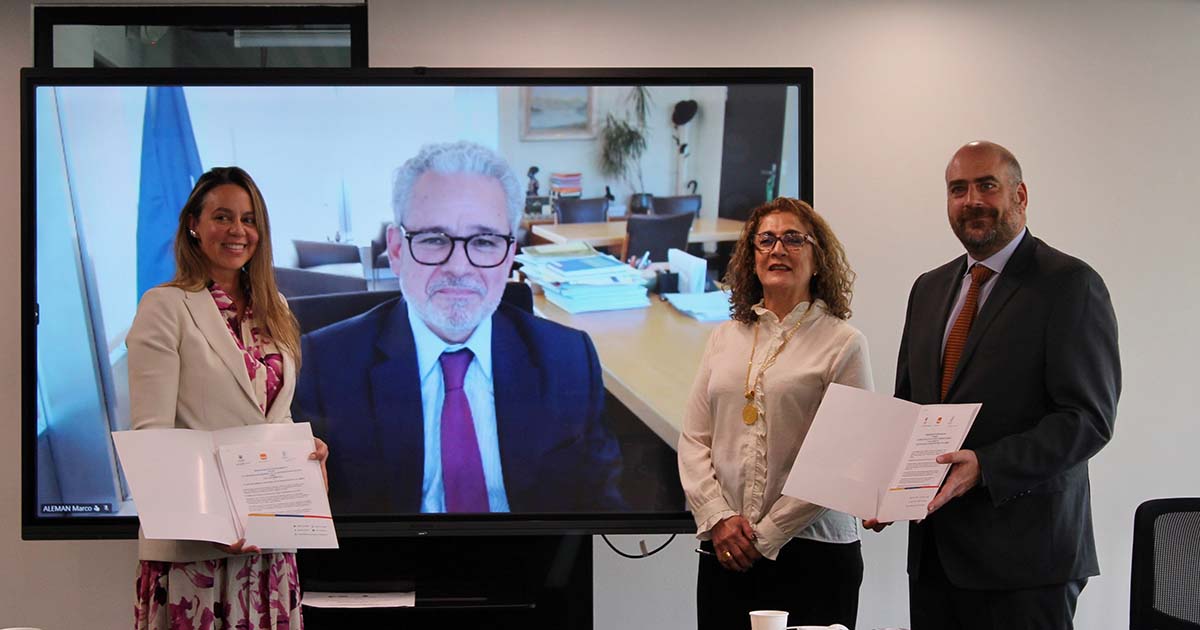
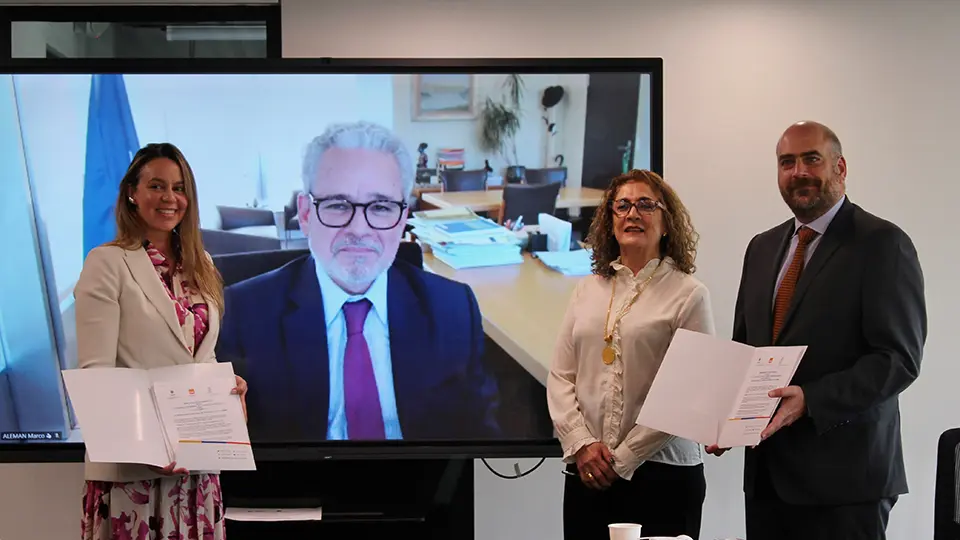
The World Intellectual Property Organization (WIPO) has signed a Memorandum of Understanding with Colombia’s National Planning Department and Banco Itaú to launch a pilot project on intellectual property financing in Colombia.
The initiative marks an important step in exploring how intellectual property (IP) can be better recognized in financing processes, helping innovative businesses, expand access to finance and strengthen Colombia’s innovation ecosystem.
The pilot responds to a growing challenge in knowledge-based economies: while companies increasingly create value through intangible assets such as technology, brands, software, data, design, know-how and creativity, these assets are not always fully recognized in financing decisions. As a result, innovative enterprises, particularly small and medium-sized enterprises, may face difficulties accessing the capital they need to grow, scale and compete.
“This Memorandum of Understanding marks the beginning of an important collaboration to explore, in practical terms, how intellectual property can be better identified, assessed and considered in financing processes. By working with Colombia’s National Planning Department and Banco Itaú, WIPO aims to help build evidence, capacity and practical experience that can support innovative businesses and strengthen the link between intellectual property, finance and growth.”
Marco Alemán, Assistant Director General, IP and Innovation Ecosystems Sector, WIPO
Moving from Evidence to Implementation
The Memorandum of Understanding establishes a collaboration between WIPO, Colombia’s National Planning Department (DNP) and Banco Itaú to develop and test practical approaches for the use of IP assets in financing contexts.
The pilot builds on initial work carried out to map the landscape for IP financing in Colombia, helping to set the basis for practical implementation. With this foundation in place, the project now moves from analysis to action.
Through the pilot, the partners will work to identify and assess IP assets, strengthen the capacity of financial institutions to consider these assets with greater confidence, and generate real-world evidence to support the development of future models for innovation finance.
The project reflects WIPO’s broader efforts to move the IP finance agenda from dialogue to implementation by working with public institutions, financial sector actors and businesses to test methodologies, document lessons learned and build practical experience.
“For the National Planning Department (DNP), this Memorandum of Understanding represents a strategic step toward strengthening the knowledge-based economy and accelerating Colombia’s productive transformation. Through this partnership with WIPO and Banco Itaú, we seek to promote the recognition of intellectual property and other intangible assets as strategic assets for generating value, driving innovation, expanding access to finance and strengthening business competitiveness. This initiative will help close financing gaps for innovative companies, stimulate investment and create greater opportunities for sustainable economic growth in the country.”
Juan Camilo Mergesh Carrasco, Deputy Director for Science, Technology and Innovation at Colombia’s National Planning Department
“For Itaú Colombia, this initiative is very important because it allows us to reaffirm our commitment to the country and to the growth of its economy. It also helps us build knowledge around new tools that can support, in the future, more business projects based on science, technology and innovation.
Tatiana Uribe Benninghoff, Vice President of Itaú Corporate.
Making IP and related intangibles more visible
Many companies with valuable knowledge, technologies, brands or creative assets are not able to fully leverage these resources when seeking finance. This can create a gap between the value generated by innovation and the financing available to support it.
The Colombia pilot aims to contribute to closing this gap by exploring how IP can be more effectively identified, evaluated and incorporated into financing processes. The experience generated through the project will help inform practical tools and approaches that may be relevant not only for Colombia, but also for other countries in the region.
Supporting Colombia’s Innovation Ecosystem
Colombia offers strong conditions for advancing this agenda, including a dynamic entrepreneurial ecosystem, growing business and technological capabilities, institutions committed to innovation, and a public agenda focused on productivity and sustainable development.
By bringing together WIPO’s international experience and technical tools, the National Planning Department’s public policy leadership, and Banco Itaú’s financial sector expertise, the pilot seeks to strengthen the connection between intellectual property, finance and innovation-led growth.
WIPO’s Work on IP Finance
WIPO has been working to advance the recognition of intellectual property and intangible assets as a source of business value and a potential tool for accessing finance.
Through studies, practical guides, country projects and dialogue with stakeholders across the IP, business and financial ecosystems, WIPO supports efforts to build the evidence, methodologies and capacity needed to make IP finance more practical and accessible.
The Colombia pilot represents a further step in this work, demonstrating how collaboration between public institutions, financial institutions and IP experts can help unlock the value of intangible assets and support a more innovative, competitive and knowledge-based economy.











Leave a comment