

Inflows into physically-backed gold exchange-traded funds (ETFS) have continued to be positive for eight weeks now, though the precious metal’s market has been volatile for nearly 5 weeks now.
Data from the World Gold Council (WGC) showed that investments were net positive at $1.55 billion last week, while it was $4.02 billion in the week ending September 4 and $3.99 billion in the week ending August 28.
Gold, which was ruling around $4,000 an ounce at the start of August, zoomed to over $4,700 towards the end of that month before falling to $4,200 some 10 days ago. The yellow metal has recovered to around $4,300 currently.
Down 2% on month
Overall, it has dropped over 2 per cent in the past month and is currently ruling at levels seen at the start of the year.
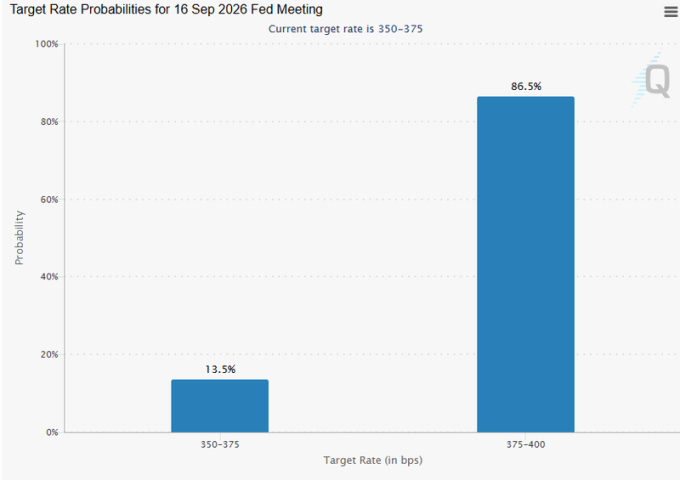
“Gold is likely to remain volatile in the near term, with the stronger dollar, crude prices and expectations around US interest rates influencing sentiment. However, the broader outlook remains supportive, backed by geopolitical uncertainty, central-bank demand and gold’s safe-haven appeal,” said Darshan Desai, CEO, Aspect Bullion & Refinery.
| Total/Regions | Inflows/outflows (-) as Jan 1-Aug 21 | Inflows/outflows (-) Jan 1- Sep 11 |
|---|---|---|
| North America | -1.1 | -0.294 |
| Europe | 10.2 | 12.91 |
| Asia | 14.24 | 14.57 |
| Others | 0.28 | 0.42 |
| Total global inflows | 105.45 | 110.80 |
| Total global outflows | 81.84 | 83.19 |
Last week, investments were $2.24 billion, while investors exited to the tune of $681.8 million. In the week ending September 4, inflows were $5.13 billion, while outflows were $1.10 billion. In the last week of August, investments were $5.51 billion, while exits were $1.51 billion.
UK leads investments
Investments in gold ETFs were mainly from the UK ($771 million), China ($444 million), Germany ($162.5 million), France ($145.3 million) and Switzerland ($128.3 million). Investors in the US, however, chose to exit to the tune of $122.4 million.
In the week ending September 4, US investors poured in $2.44 billion, while the Chinese invested $502 million, those in the UK $300 million and Indians 262.6 million.
In the week ending August 28, UK investors led the inflows at $1.10 billion, followed by those in the US, who invested $759.7 million. The French invested $654 million, while the Swiss ($404 million), Germans ($348 million) and Chinese ($302.6 million) were the other major investors.
As of September 11, inflows into ETFs were $118.1 billion, while outflows were $84.87 billion, leaving net inflows positive at $35.2 billion.
Roller-coaster ride
Gold prices have been on a roller-coaster ride since the Iran war broke out. This is due to fears of inflation, a rise in bond yields, a hike in the US Fed rates and consumers switching over to the crude oil counters from gold.
A similar switch is likely now with crude oil prices soaring above $100 a barrel. Probably, the shift has begun and will be visible this week.
Gold soared to $5,608 per ounce on January 28, but has since declined by over 20 per cent.
“For the week ahead, we expect a range-bound to cautiously positive trend, with dips likely to attract physical buying. As the festive season approaches, demand should get an additional boost from jewellery, auspicious purchases and gifting,” said Desai.
Given elevated prices, consumers may prefer staggered buying and customised gold products rather than waiting to time the market. “Overall, we remain cautiously bullish on gold, while expecting short-term volatility to continue,” he said.
Gold witnessed a continuous rally from the beginning of 2024 till February 28, 2026, on hopes of a cut in US Fed interest rates, a volatile geopolitical situation and the US trade dispute with other nations, particularly China.
Published on September 15, 2026












Leave a comment