
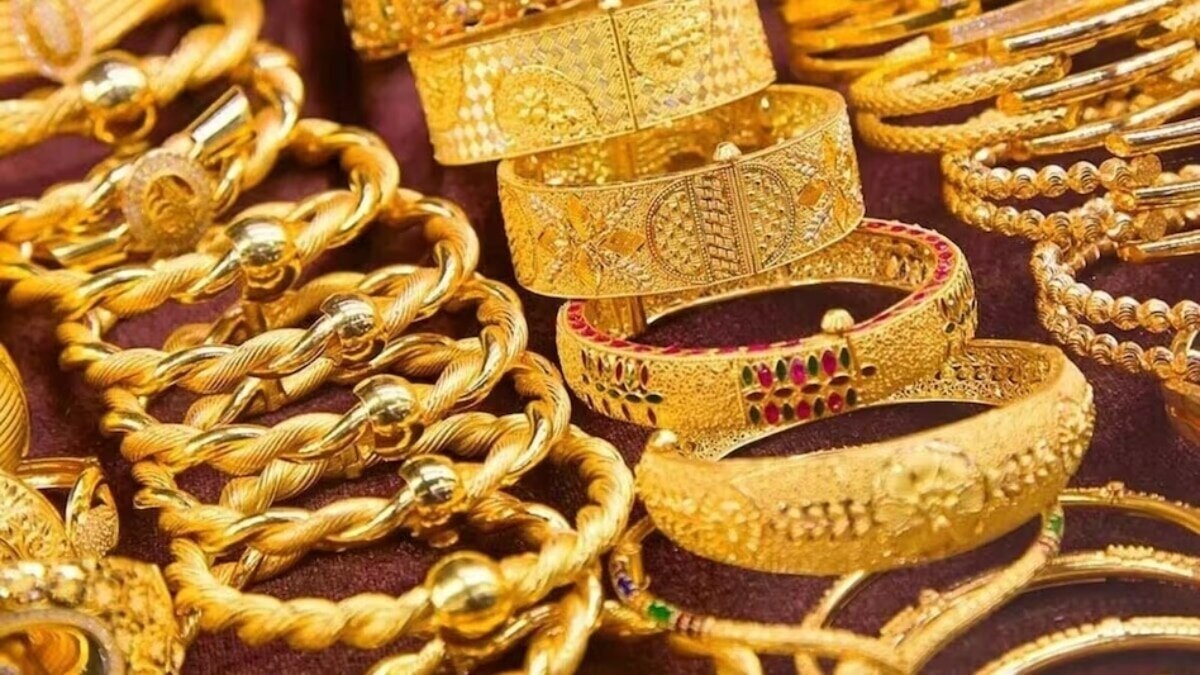
India’s household gold reserves are valued at a staggering $5 trillion, far exceeding the country’s GDP, according to the Associated Chambers of Commerce and Industry of India (ASSOCHAM). Yet despite sitting atop vast gold holdings accumulated over generations, Indian households continue to fuel strong demand for the precious metal.
According to the latest data from the World Gold Council, demand rose 10 per cent in the first three months of 2026 compared to the same period last year. In value terms, the increase was a staggering 99 per cent. “India remained a key driver of global gold demand, ranking second in both jewellery and investment segments,” according to an April note from the international trade association.
What stands out, however, is the shift in consumer behaviour. Demand for gold jewellery, in volume terms, fell 19 per cent in the first quarter of this calendar year, the second-steepest decline on record since 2000. Meanwhile, investment demand surged 54 per cent. “Bar and coin investment nearly matching jewellery demand” marks a “departure for a market in which jewellery has traditionally dominated,” the World Gold Council note said.
Recycling old gold for jewellery
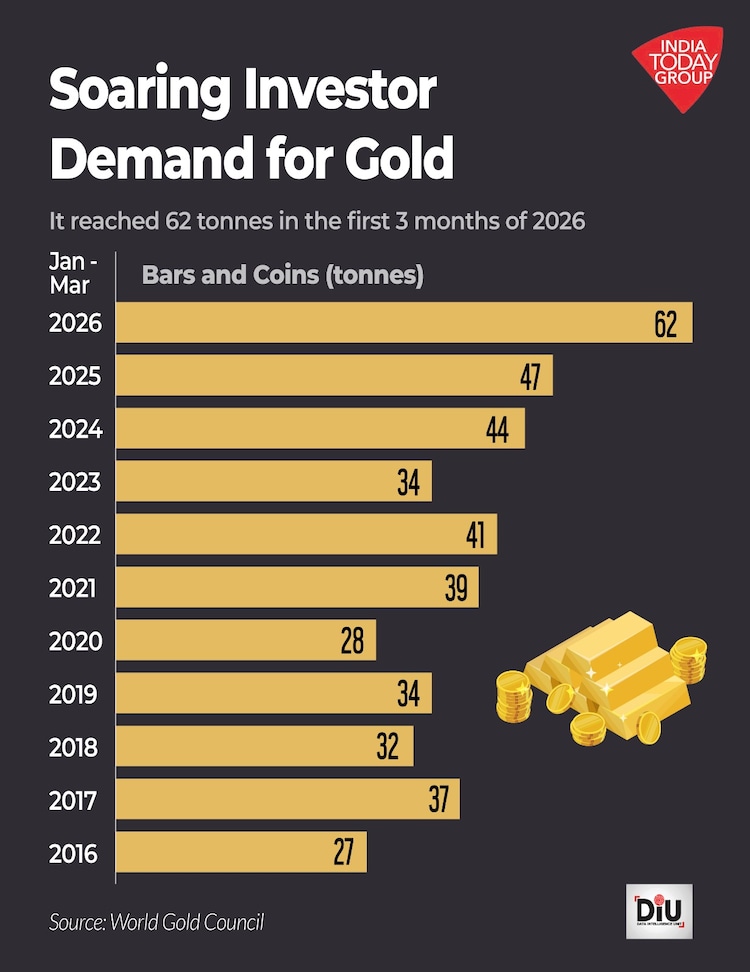
A significant share of jewellery sales was driven by exchanges of old gold, accounting for around 40–60 per cent of all transactions. In other words, while demand for gold jewellery has declined sharply, the rush towards gold as a lucrative investment option continues. The safe-haven asset has been on an unprecedented bull run for months now.
India imports an average of 700–800 tonnes of gold every year, accounting for about 26 per cent of global demand for the precious metal. According to reports, only around 10 per cent of these imports are exported after value addition. The rest remains within the country in the form of jewellery and coins.
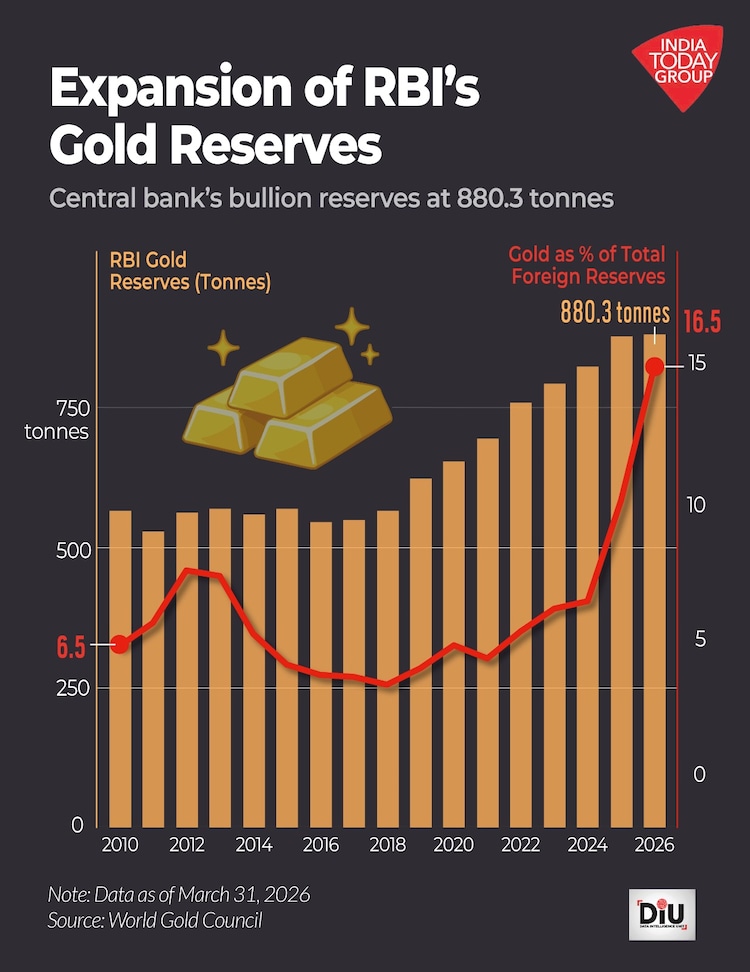
It is therefore no surprise that India’s gold reserves are estimated at nearly 30,000 tonnes. Gold accounts for almost nine per cent of the country’s total import bill and is a major contributor to the trade deficit. A widening trade deficit puts pressure on the rupee, which has been among the worst-performing peer currencies in 2026. Relentless selling by foreign portfolio investors and rising crude oil prices amid turmoil in the Middle East have been other major drivers of the rupee’s decline.
That is why the Prime Minister has urged people to postpone fresh gold purchases for a year. But will the appeal work this time? Experts believe that, given India’s deep-rooted cultural affinity for the precious metal, demand for gold is unlikely to disappear. Even so, any moderation in demand could help conserve valuable foreign exchange reserves and keep the trade deficit under control.
– Ends











Leave a comment