
© VladK213 / iStock via Getty Images
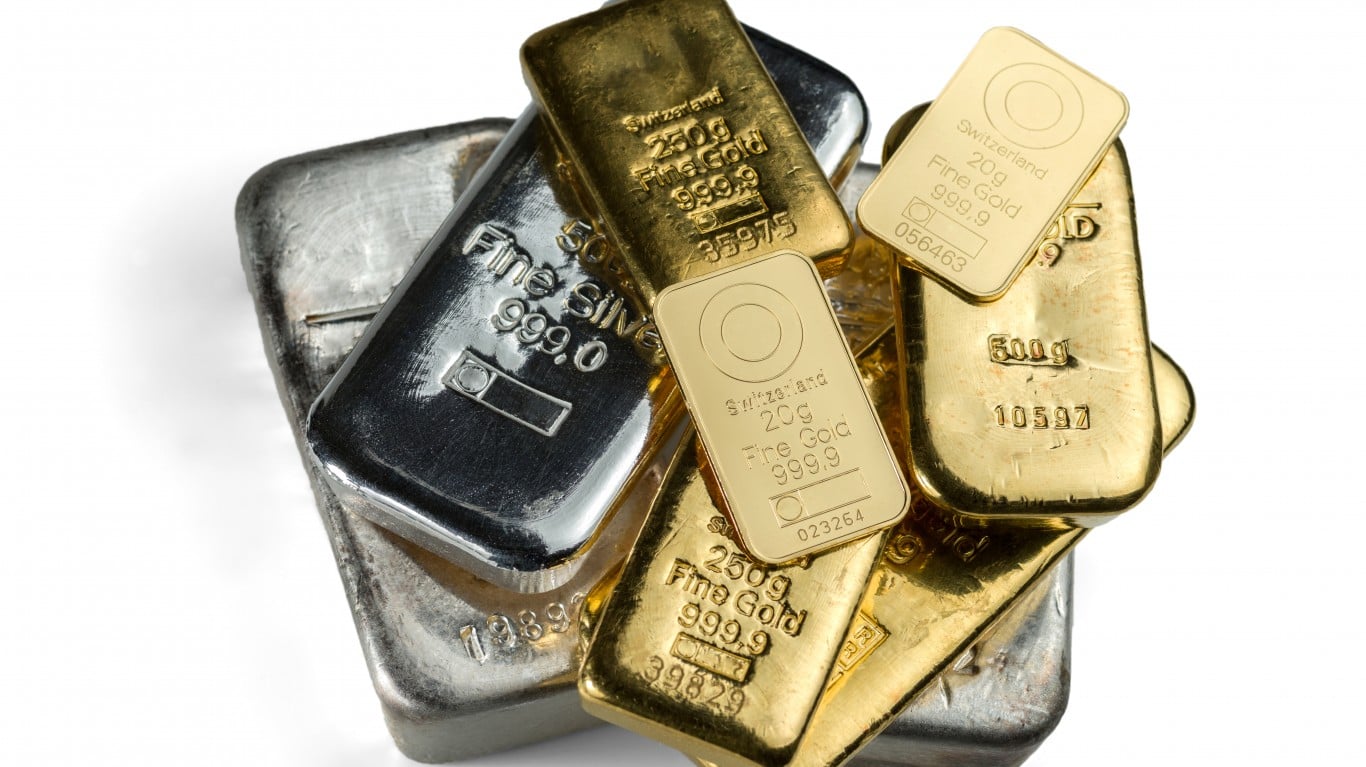
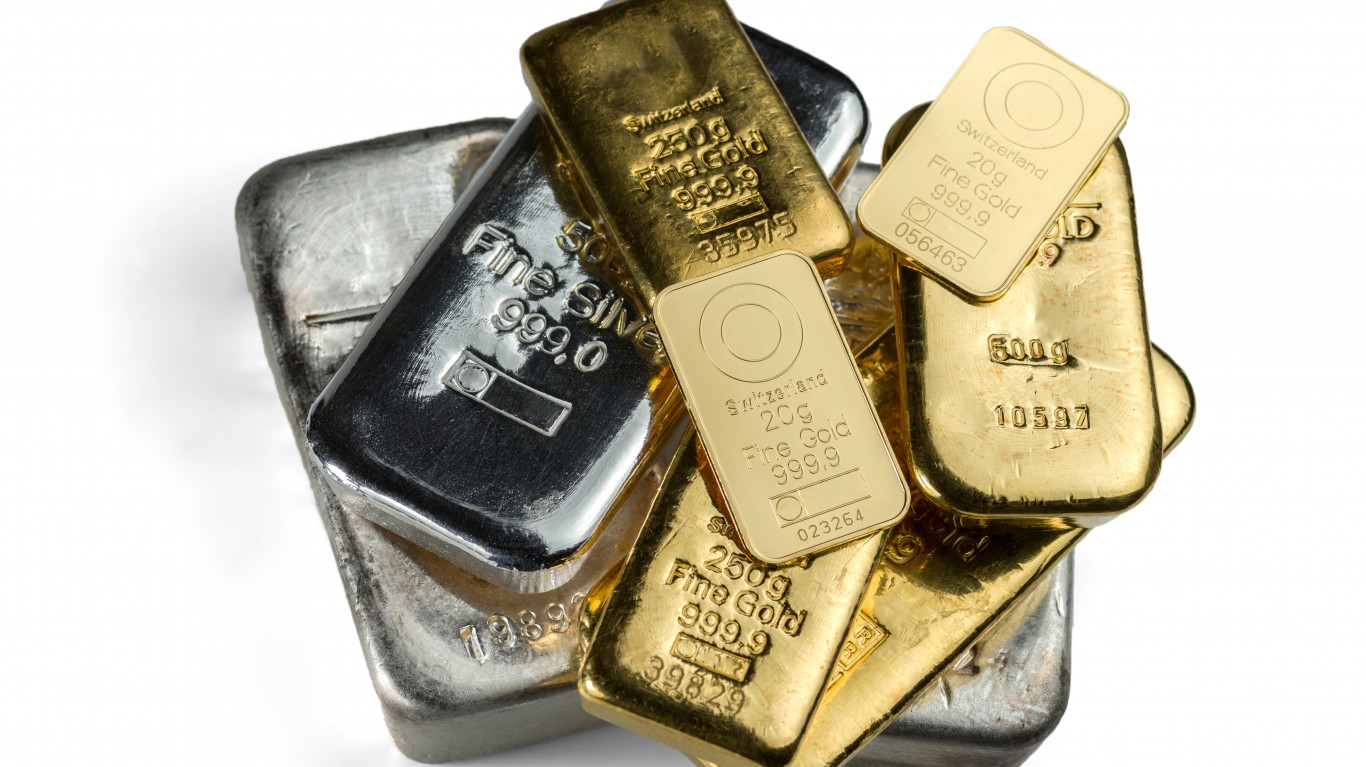
In Mid-May, India’s Prime Minister Narendra Modi publicly urged Indian citizens to avoid buying physical gold and silver for a year. Soon afterwards, India increased its import tariffs on precious metals from 6% to 15%. This is yet another sign that the physical silver shortage is escalating, which should bode well for ETFs that hold or mine physical silver and gold. This should include:
The Root Cause of Inflation
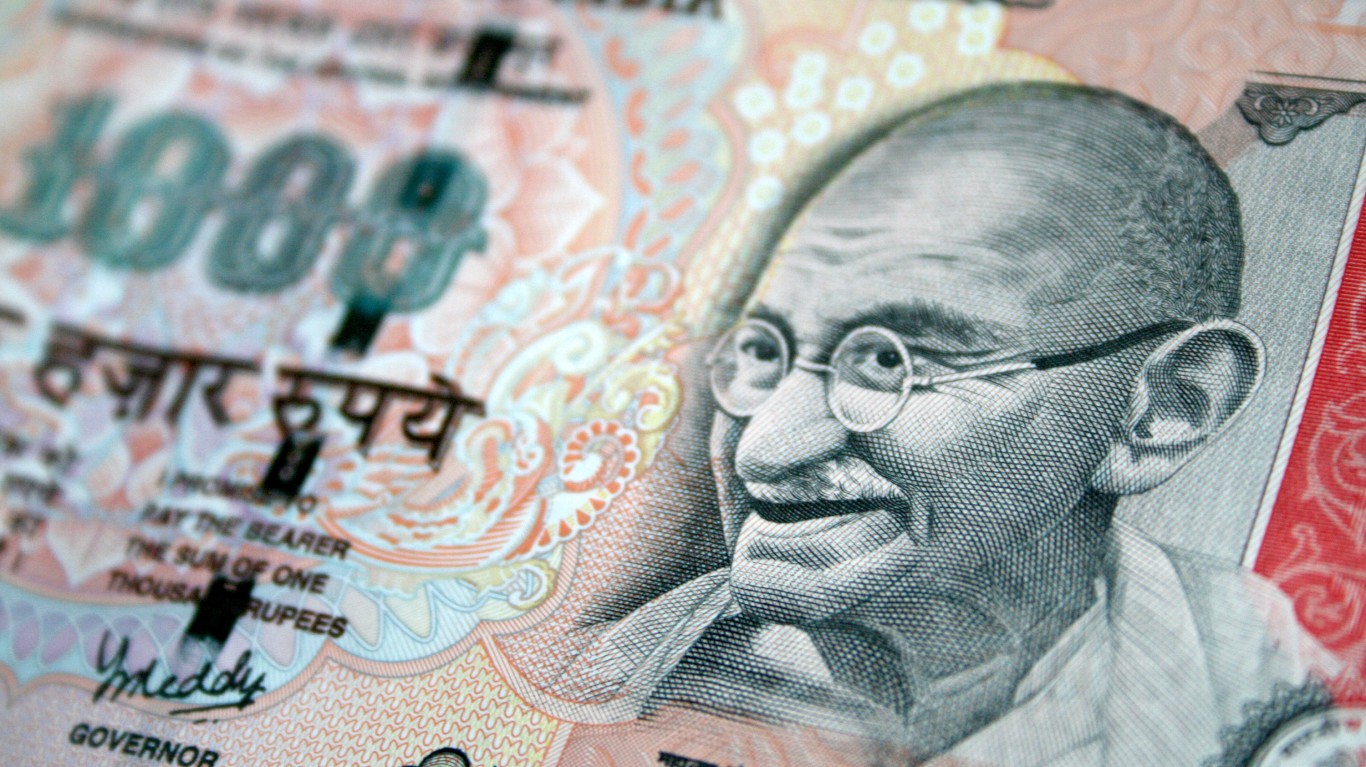
India’s massive currency outflows due to escalated oil, gold and silver prices have caused PM Modi to double import tariffs.
Since the concept of paper money as representative value for silver or gold first was recorded in Tang Dynasty China, governments that debased its currencies have inevitably toppled if left unchecked. Debasement of a currency, either by diluting its purity in coin form or by overprinting its paper version, has historically led to massive inflation that triggered widespread civilian unrest each time. Examples include:
- 1st Century B.C.: Roman Emperors began to adulterate the 100% pure silver Denarius coin out of greed. By the 3rd century, only 5% silver remained.
- England (1544-1551): King Henry VIII began to covertly decrease the silver content in English coins by as much as 75% to finance wars and repay debts. When the public realized that the coins were fake, inflation, hoarding, and crime exploded, with trust in the government plummeting.
- 1920s Berlin: Deliberate overprinting of German Marks in order to pay for WW I reparations demanded by the Treaty of Versailles resulted in massive inflation, with literal wheelbarrows full of Marks needed to purchase basic groceries.
- Venezuela 2016: When oil prices dropped, Nicolas Maduro began overprinting bolivars to such an extent that prices for basic supplies doubled within days and families’ savings were wiped out in a matter of weeks.
The Iran War’s impact on oil has spread to other countries, and is manifesting in different ways. India’s rupee is in a crisis, plunging 6% since the start of bombing. The problem for India is that it is the #3 largest oil importer in the world, and is the #1 importer of silver and #2 importer of gold. It produces only 15% of its own oil and only 3% of its own precious metals, annually. The outflow of funds used to support these imports have rapidly been depleting foreign currency supplies and the rupee’s conversion rate has gone from INR 89: USD 1.00 in December 2025 to what is closing in on INR 100: USD 1.00.
Is The US Dollar Next?
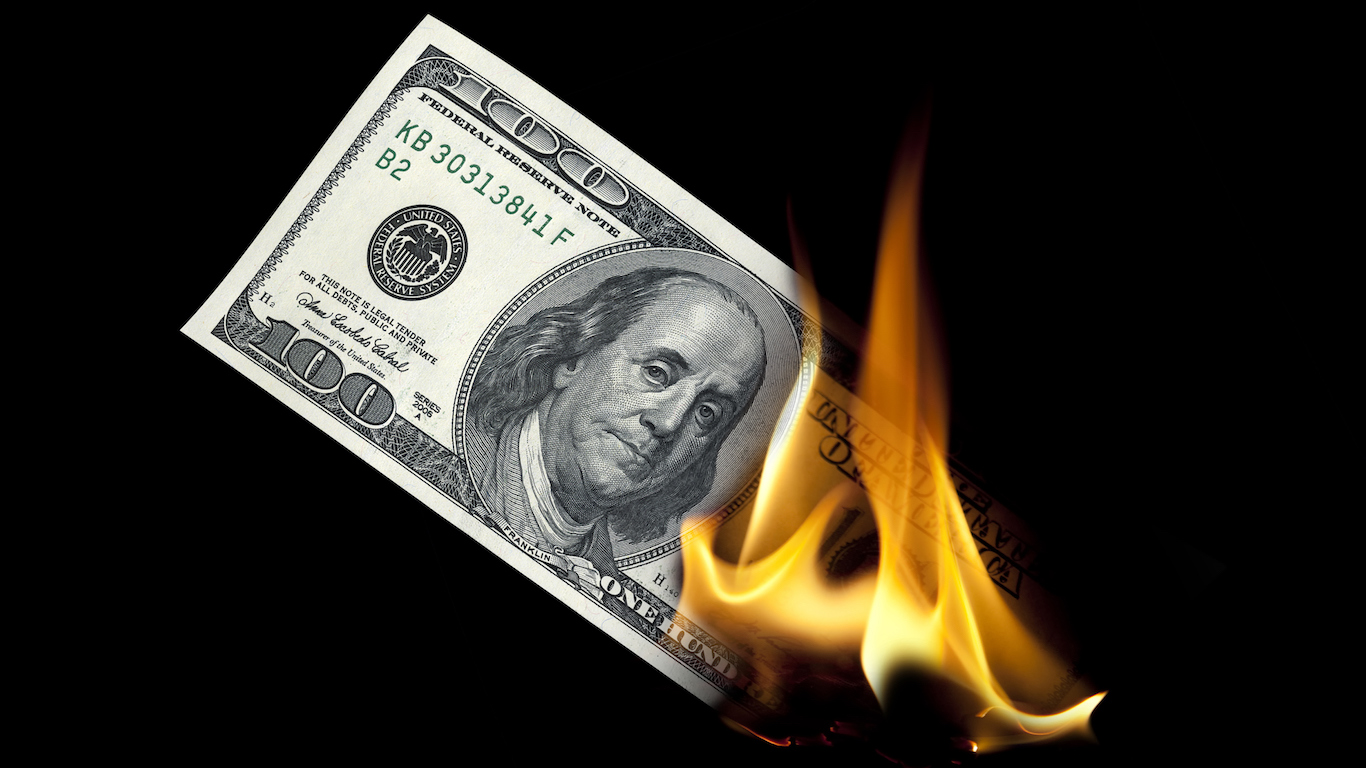
Inflation threats from overprinting US dollar has triggered much of the surge in gold and silver prices.
Since WW II, the US dollar has been the reserve currency for the rest of the world. President Nixon’s deal with Saudi Arabia to create the petrodollar essentially dictated that all global oil transactions be denominated in US dollars, and that led to taking the dollar off the gold standard.
The US dollar has been weakening since President Trump announced his reciprocal tariff policy for international trade in Q1 2025. However, the underlying landscape was already changing. Given the emergence of BRICS, rampant congressional profligacy that has led to a $37 trillion national debt, and a subsequent Moody’s downgrade of US Treasuries from AAA to Aa1 has left the need and appetite for US assets diminished.
US Treasuries have exhibited unusual weakness of late, due to an international selloff, with the 10-year Treasury Bond yielding 4.55% and the 30-year Long Bond at 5.09% . Some of the largest selloff examples at the time of this writing include.
- Japan has sold roughly $76 billion since the start of 2026, largely to prop up its own defense of the Yen amidst rising interest rates internally. Japan still holds $1.19 trillion. The mutual admiration between PM Sanae Takaichi and President Trump has reportedly been unaffected.
- China has sold $41 billion since January 2026, reducing holding to $652.3 billion. Due to its internal deals within BRICS (Brazil, Russia, China, India and South Africa) to transact among each other in members’ currencies only, China’s non-US dollar trade has increased appreciably. If the results of the recent meeting between Presidents Trump and Xi Jinping are accurate, this trend will probably reverse as China-US trade starts to pick up again.
- Canada has sold $18 billion in Q1 2026 and reportedly was still holding $439 billion. PM Mark Carney’s repeated political clashes with President Trump and rumblings about Alberta seeking to secede from Canada are likely contributing factors.
The Case For Silver and Gold
Physical silver and gold holding ETFs will be the beneficiaries of the continued trends in the global market.
To be fair, President Trump has been an advocate of a return to a gold standard for the US dollar, and ran on that theme as part of his 2016 campaign platform. In 2025, Treasury Secretary Scott Bessent floated the idea of future physical gold backed US Treasury Bonds in interviews. A weaker US dollar will likely also help to facilitate more exports, and should US gold inventory be revalued to its current market levels, the $37 trillion national debt can also be substantially reduced by trillions of dollars.
Therefore, physical gold and silverETF holdings will likely do very well under these scenarios. Bank of America has already declared a projected silver price of $309/oz. (vs. $79.52 at present) and gold at $6,000/0z. (vs. current $4,543/oz.) by Christmas, 2026. With this in mind:
- AAAU tracks the price of spot gold and holds physical hallmarked gold bullion in vaults located in London, UK and Perth, Australia.
- SIVR tracks the price of spot silver and holds physical silver bullion under the custodianship of J.P. Morgan Chase Bank in London, UK vaults.
- SLV is the largest silver ETF for tracking silver prices, and holds 80% of its silver bullion in London, UK, and 20% in New York.












Leave a comment