
Alberta’s provincial park system had relatively modest beginnings compared to the expansive system we know and love today, and we’re taking a look back at the first provincial park ever established in the province.
Despite Canada’s first National Park being established in Banff in 1887, Alberta lagged behind other provinces when it came to creating a provincial park system. A large part of the delay, according to environmental historian Jessica DeWitt in an article published by Active History, was because the Province didn’t gain control over its natural resources until the Alberta Natural Resources Act was passed in 1930.
The push for provincial parks also had a lot to do with the efforts of Premier John E. Brownlee, who viewed them as a way to improve life for rural Albertans during an increasingly difficult period. In May 1929, Brownlee appointed a special committee to explore opportunities for park development across the province.
“The government hoped the parks would alleviate the rural Albertan despair of the Depression; these small, provincially owned beaches were to serve as oases in the Albertan desert,” DeWitt wrote.
By November of that year, the committee had identified several locations for future provincial parks, including Gooseberry Lake, Ghost River, and Aspen Beach on Gull Lake, while also recommending land for future park development.
In anticipation of gaining control over Alberta’s natural resources, the United Farmers of Alberta (UFA) government passed the Provincial Parks and Protected Areas Act on March 21, 1930, laying the groundwork for the future system.
Two years later, Aspen Beach Provincial Park officially opened on the southwest shore of Gull Lake, making it Alberta’s first provincial park. Gooseberry Lake, Park Lake, Sylvan Lake, and Saskatoon Island provincial parks were also established around the same time.

Edmonton Journal
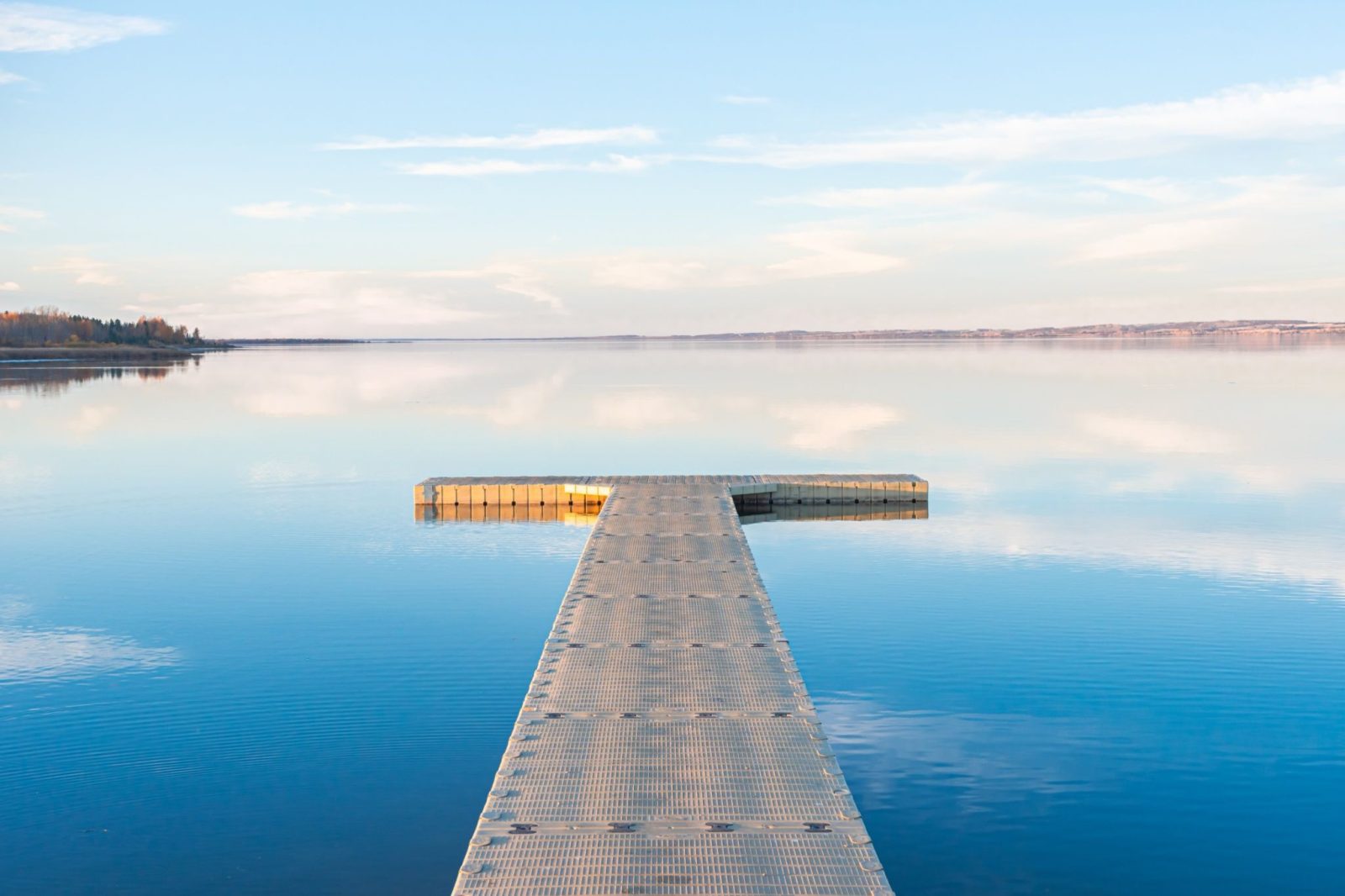
When Aspen Beach first opened, the park was just 17 acres. Located beside the existing Village of Gull Lake cottage community, the park was built on land formerly owned by local cottage owners and centred almost entirely around its swimming beach and pier.
But within just a few years of opening, the park had a major problem: Gull Lake was receding rapidly.
The pier, once meant to be the focal point of the park, was sitting on entirely dry land by 1939. That year, the Provincial Park Board stated it was “not of the opinion that it would be wise under the present circumstances to spend further money in connection with the park.”
Officials declared the site effectively useless and proposed leasing it back to the Village of Gull Lake for just $1 per year. This idea was welcomed by local residents and property owners, but the park returned to provincial control in 1953 after the Province determined the community had restricted public access to the area.
The Province’s enthusiasm for parks faded quickly during the Depression era. Economic hardship left little funding for parks, and when the Alberta Social Credit government came into power in 1935, it cut the parks budget even further and closed six of Alberta’s original parks.
For years, the provincial government no longer saw parks as a solution to rural hardship, and a new provincial park would not open in Alberta until 1951.
Between 1951 and 1971, Alberta established 46 new provincial parks focused largely on outdoor recreation, including camping, boating, beaches, picnicking, fishing, and playgrounds, helping transform the system into what Albertans recognize today.
Now, nearly a century after it first opened, Aspen Beach Provincial Park looks much different from the modest 17-acre beach that kicked off Alberta’s provincial park system. The park now features campgrounds, eight kilometres of walking and snowshoeing trails, picnic areas, fire pits, and a maintained skating rink during the winter months.












Leave a comment