
*** Says Nigeria ready for serious investment
*** Lawmakers back mining reforms
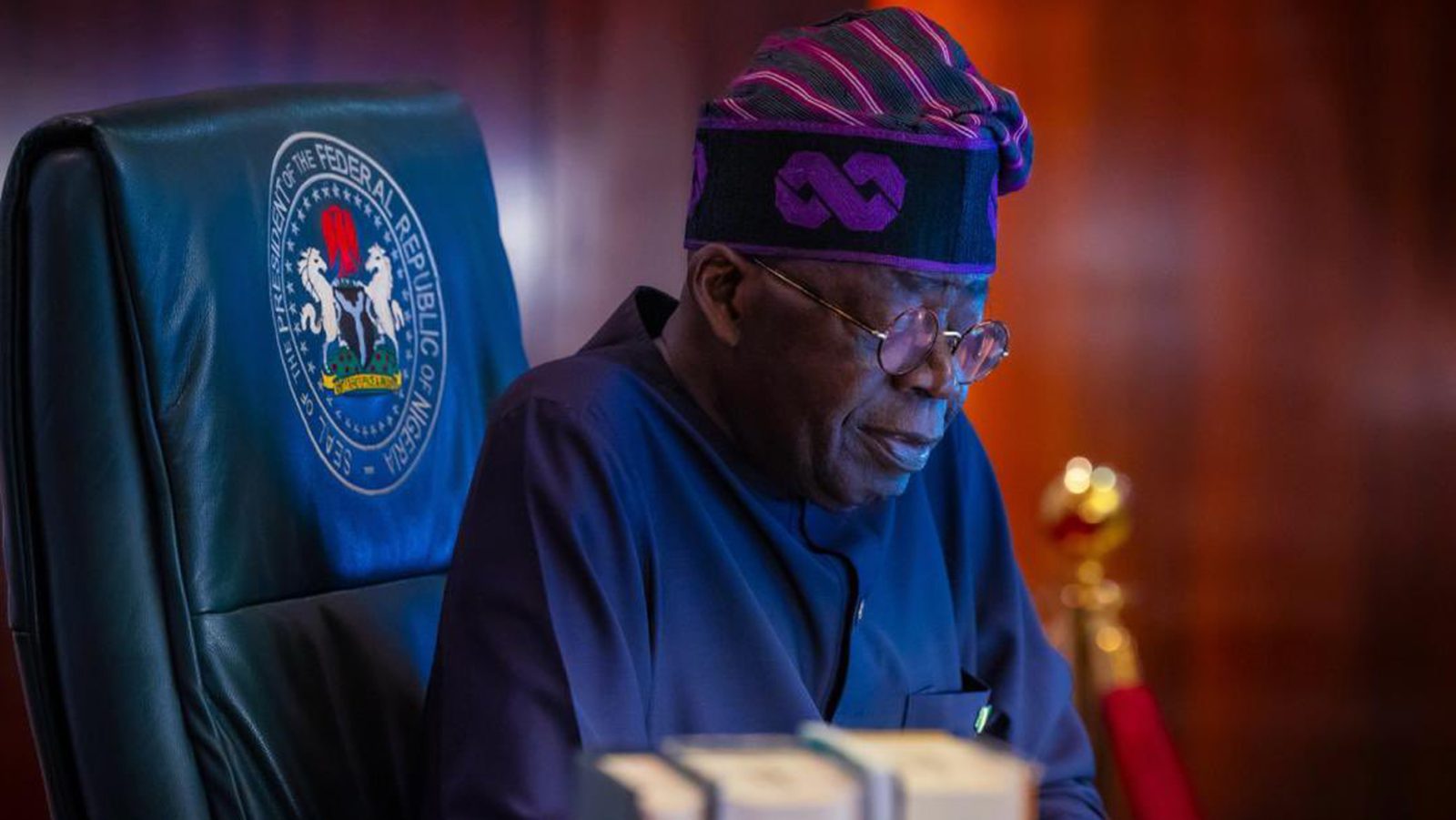
President Bola Ahmed Tinubu, on Wednesday, seeked deeper collaboration among African nations in harnessing the continent’s vast mineral and energy resources.
Tinubu highlighted ongoing reforms in Nigeria’s mining sector under the Renewed Hope Agenda, saying the government is repositioning solid minerals as a major pillar of economic diversification.
Tinubu, disclosed this in Abuja, at the 5th African Natural Resources and Energy Investment Summit (AFNIS 2026) held at the State House Conference Centre, Presidential Villa, he said that Africa must move beyond resource ownership to value addition, industrialisation and shared prosperity.
Speaking on the theme, “One Africa, One Resource Vision,” the President said Africa’s mineral wealth should serve as a catalyst for economic transformation, regional integration and sustainable development rather than remaining a source of raw material exports.
Tinubu, represented by the Minister of Solid Minerals Development, Dr. Dele Alake noted that the continent possesses significant reserves of critical minerals such as lithium, cobalt, manganese, graphite, copper and rare earth elements, which are increasingly essential to the global energy transition and modern manufacturing.
According to him, Africa must seize the opportunity presented by rising global demand for critical minerals by strengthening value addition, local processing, industrialisation and regional cooperation.
He said: “Africa has reached a point where resource ownership must give way to resource strategy. We have spoken for decades about what the continent possesses. The more urgent question now is what Africa is prepared to do with what it possesses.
“The answer must be value addition, industrialisation, energy security, local content, responsible investment and shared prosperity. Across the world, governments and markets are reorganising their priorities around critical minerals, supply-chain security, clean-energy technologies and industrial resilience.
“Demand for minerals required for electric vehicles, battery storage, renewable energy systems and modern manufacturing is rising sharply. In this new global economy, Africa is central.”
He also cited significant investments already attracted into the mining value chain, including a $600 million lithium processing plant, a $200 million lithium refinery near Abuja, a $600 million lithium processing project in Nasarawa State, a $50 million lithium facility in the Federal Capital Territory and a $1 billion iron ore-to-steel project in Kogi State.
Tinubu further revealed that revenue generated from the solid minerals sector increased from about ₦6 billion at the inception of the administration to over ₦38 billion in 2024 and approximately ₦68.1 billion in 2025.
He said African countries must invest in transport networks, energy infrastructure, logistics systems and skills development to maximise the benefits of their natural resources.
He assured investors that Nigeria remains open to credible partnerships that promote local processing, technology transfer, job creation and long-term value addition.
He added, “We welcome investors who are ready to process locally, employ locally, train locally, transfer technology, respect communities, operate transparently and build long-term value with us.”
The President also underscored the importance of infrastructure development, innovative financing and youth participation in unlocking Africa’s mineral potential.
In his remarks, Chairman of the Senate Committee on Solid Minerals Development, Ekong Sampson, urged African countries to move from resource potential to resource productivity.
Sampson said Africa’s vast mineral wealth should unite nations, improve livelihoods and drive development across the continent.
He said: “Africa must move from potential to opportunity. Our endowments must unite us, not divide us. We must use our resources to improve the lives of our people and not to worsen insecurity.”
The senator commended Alake for championing reforms in Nigeria’s mining sector and pledged continued legislative support for policies aimed at unlocking the full value of the country’s mineral resources.
Similarly, Chairman of the House Committee on Solid Minerals, Jonathan Gaza, praised the progress recorded in the sector under the current administration.
He noted that reforms anchored on the ministry’s seven-point agenda had contributed to increased revenue generation and stronger policy direction.
Gaza particularly commended efforts to discourage the export of unprocessed minerals, describing value addition as critical to Africa’s economic future.
He appealed for greater government support through increased funding for exploration activities, resource estimation and other critical interventions needed to accelerate growth in the sector.
According to him, the solid minerals sector has the potential to become a major driver of Nigeria’s economic prosperity if given sustained priority.
Also speaking, Secretary-General of the African Minerals Strategy Group, Moses Michael Engadu, called for stronger continental cooperation in mineral development.
Engadu said no single African country possesses all the resources, capital and expertise required to achieve industrial transformation on its own.
He urged African governments to establish common institutions, harmonised policies and coordinated strategies capable of converting mineral wealth into jobs, infrastructure, technology transfer and long-term prosperity.
The summit brought together government officials, investors, development partners, industry leaders and delegates from across Africa to explore strategies for advancing resource-based industrialisation, energy security and sustainable economic growth across the continent.









Leave a comment