
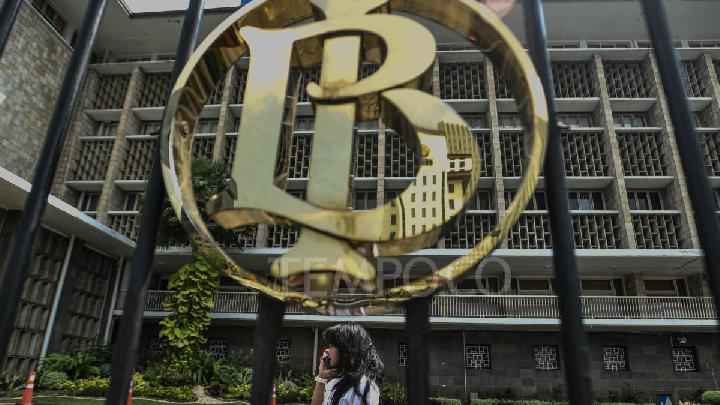
TEMPO.CO, Jakarta – Bank Indonesia Governor Destry Damayanti said Indonesia’s Islamic economy and finance sectors continue to grow and could become a new source of economic growth. She called for stronger Islamic financing, an integrated halal value-chain ecosystem, and greater literacy in the Islamic economy.
Destry said Indonesia’s position in the global Islamic economy has continued to strengthen. The State of the Global Islamic Economy Report 2025/2026 ranked Indonesia fourth globally, while Indonesia’s leading halal value-chain sectors grew 5.50 percent year-on-year in the second quarter of 2026.
“Growth was mainly driven by the halal food, Muslim fashion, and Muslim-friendly tourism sectors,” she said while opening the 2026 East Java Regional Islamic Economy Festival in Surabaya, East Java, on Saturday, September 26, 2026.
She also said Islamic financial assets had reached Rp3,131 trillion. Meanwhile, Islamic economy literacy rose significantly from 16.3 percent in 2019 to 50.18 percent in 2025.
Destry said these achievements should translate into economic activities that deliver broader benefits to the public. She called for the Islamic economy to be developed through an integrated approach involving collaboration among various stakeholders.
“The key to achieving this is synergy. This spirit of synergy is what we are bringing to the 2026 East Java Islamic Festival,” Destry said.
East Java Governor Khofifah Indar Parawansa said the development of the Islamic economy should be measured by the benefits it provides to the public.
“The success of the Islamic economy is measured not only by the size of its assets, but also by how broadly its benefits and positive impact are felt,” she said.
East Java Hosts Islamic Economy Festival
The 2026 East Java Islamic Festival is being held from September 25 to 27 under the theme “Accelerating Sustainable Regional Islamic Economic and Financial Growth through Synergy and Digital Transformation.”
Programs at the festival include a community market and a halal, safe and healthy culinary zone to expand market access for micro, small and medium enterprises (MSMEs); cash waqf development to support education; and housing financing for teachers at Islamic schools and boarding schools affiliated with HEBITREN.
East Java was selected to host the festival because of its significant role in the development of Indonesia’s Islamic economy. About 97.33 percent of the province’s population is Muslim, and it is home to 7,347 Islamic boarding schools.
The 2026 East Java Islamic Festival is the final event in the Road to Indonesia Sharia Economic Festival (ISEF) 2026 series, following similar events in Sumatra and eastern Indonesia.
Since 2019, the regional festival has brought together businesses, financial institutions, government agencies and other stakeholders to expand market access and Islamic financing.









Leave a comment