
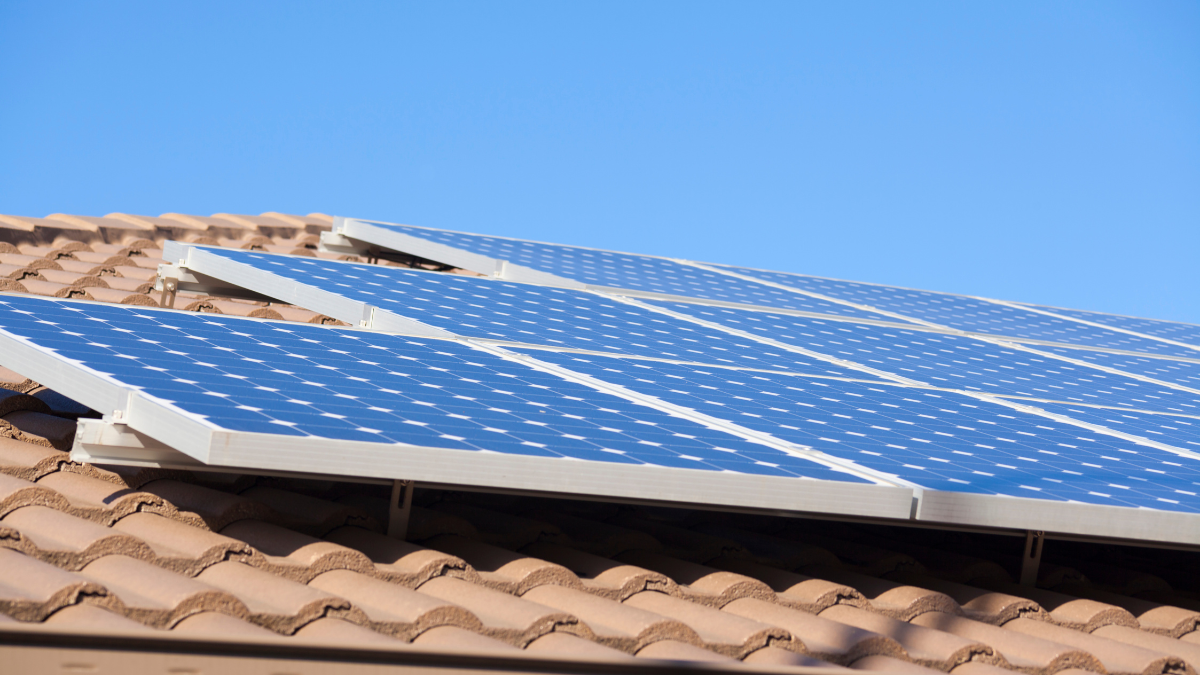

The industrial sector in Bangkok is seeing a noticeable shift as factories and warehouses begin turning their rooftops into productive financial assets through solar power installations. This change is being driven by rising electricity costs and supportive government policies, making solar energy an increasingly attractive option for businesses in Thailand’s capital and nearby areas.
One of the main reasons companies are adopting solar is to reduce electricity expenses. In areas served by the Metropolitan Electricity Authority, daytime electricity tariffs are around 4.18 THB per unit. Since solar systems generate power during the day, businesses can directly replace expensive grid electricity with their own solar energy. This leads to significant savings over time. For many warehouses and factories, the investment in solar panels can typically be recovered within 4.2 to 5.8 years, making it a practical financial decision.
Government incentives are also playing an important role in boosting solar adoption. The Board of Investment offers benefits under Section 30/8, which includes an eight-year corporate income tax exemption for eligible companies. In addition, businesses can import essential solar equipment such as panels and inverters without paying duties. These incentives can reduce the payback period by nearly two years, strengthening the financial case for installing solar systems.
However, installing solar panels is not as simple as covering the entire rooftop. Businesses must account for real-world constraints such as fire safety regulations, maintenance pathways, and existing equipment like air conditioning units. These factors can reduce usable roof space by about 25% to 35%. Even with these limitations, a medium-sized factory or warehouse can usually install a solar system ranging between 300 kWp and 1 MWp, which is sufficient to meet a large portion of its energy needs.
Companies generally choose between two financing models. The first option is self-funding, where the business invests in the solar system upfront. This allows them to benefit fully from long-term energy savings and tax incentives. The second option is a Power Purchase Agreement, where a third party installs and maintains the system at no initial cost to the business. The company then purchases electricity at a lower rate than grid prices. This option is especially suitable for businesses that prefer to conserve capital for their main operations.
Despite the advantages, Bangkok’s climate and infrastructure present certain challenges. The region’s monsoon season brings high humidity and frequent lightning, making it essential to install proper surge protection systems. Additionally, many older factory buildings may need structural upgrades to support the weight of solar panels.
By carefully assessing rooftop conditions, reviewing past electricity consumption, and selecting the right financing approach, businesses in Bangkok can successfully adopt solar energy. This transition not only reduces costs but also provides long-term stability in energy expenses for the next 25 years.
Related
Discover more from SolarQuarter
Subscribe to get the latest posts sent to your email.










Leave a comment