
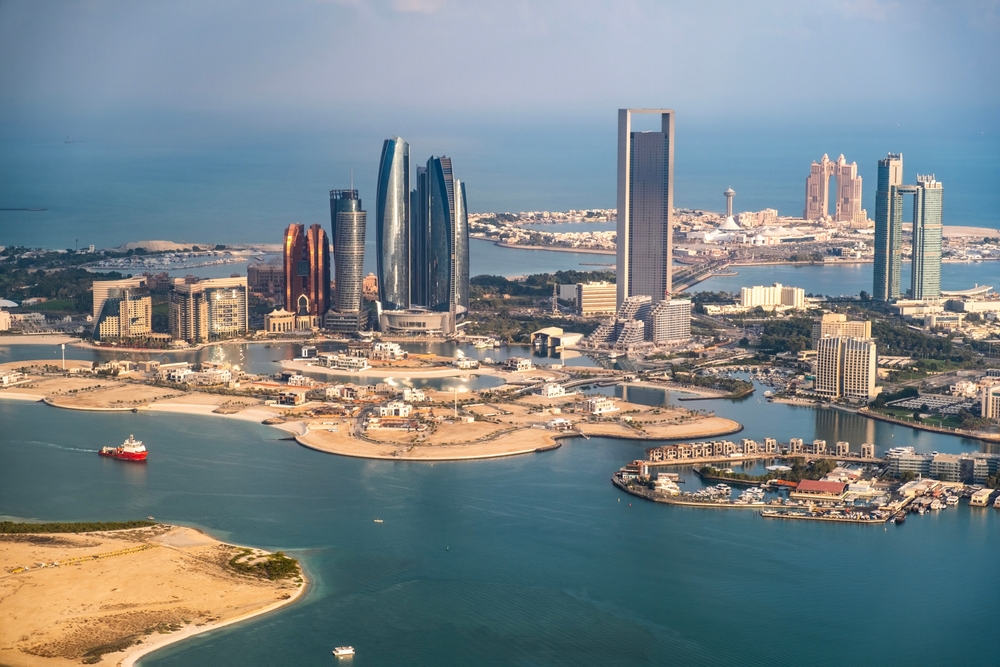
The Middle East has moved ahead of much of Asia in the adoption of systematic co-investment and direct investment programmes, driven largely by the region’s sovereign wealth funds, according to investment bank Houlihan Lokey.
The investment bank said there had been a rapid increase in co-investment and direct investing across the region as investors seek to combine traditional blind-pool fund commitments with exposure to identifiable assets to improve risk-return profiles.
Middle Eastern limited partners typically require longer lead times to establish relationships and build trust with new fund managers. Co-investments and direct investments can help managers develop those relationships because they offer greater alignment of economic interests than traditional private equity fund structures.
Managers are consequently sharing co-investment opportunities earlier in their relationships with regional investors, potentially paving the way for larger fund allocations at a later stage.
Despite the Middle East’s growing adoption of the strategy, North American investors continue to dominate the global co-investment and direct investment market, accounting for about 75% of activity, according to Houlihan Lokey research.
European investors represent 14% of the market, while Canada and the Middle East and Africa each account for 4%. Asia-Pacific and Latin America each represent slightly less than 2%.
Direct investments are also widely expected to produce stronger returns than other private equity strategies. Some 59% of investors surveyed by Houlihan Lokey said they expected direct investments to consistently generate the highest returns, compared with 38% who favoured co-investments.
The findings are based on an internal survey of 56 of the world’s most active buyers of co-investment and direct stakes in portfolio companies and assets globally.
None of the respondents expected primary fund investments or secondary transactions, including GP-led deals and purchases of LP stakes, to generate the highest returns. However, these strategies continue to be valued for their role in portfolio diversification and risk mitigation.
Sovereign funds drive activity
Energy transition and infrastructure platforms involving Saudi Arabia’s Public Investment Fund, Mubadala, Qatar Investment Authority and other GCC investors alongside international general partners continue to account for a significant proportion of sovereign co-investment activity in the Middle East.
BlackRock’s GIP-led $30 billion infrastructure partnership with L’IMAD, ADNOC and Temasek, announced in May, is expected to pursue co-investment opportunities across the GCC and Central Asia.
Houlihan Lokey expects co-investment and direct investment fundraising combined to overtake primary private equity fund









Leave a comment