

Investor sentiment across global financial markets is heading into the second half of 2026 with a cautiously constructive tone, as Standard Chartered’s Wealth Solutions Chief Investment Office (CIO) outlined expectations for continued resilience in risk assets despite an increasingly complex macroeconomic environment. The outlook was presented during regional briefings in Dubai and Abu Dhabi, marking the Bank’s first H2-focused Global Market Outlook sessions in the Middle East. Similar mid-year strategy updates from global banks in previous cycles have typically signalled transitional phases in markets, where early-year volatility gives way to more selective positioning rather than broad-based directional bets.
The CIO anticipates that global markets will remain broadly supported by a soft-landing environment, although performance is expected to be increasingly shaped by shifting dynamics in energy prices, equity supply conditions, investor positioning, and central bank policy direction. For investors in the UAE and wider Middle East, the outlook underscores the importance of energy market stability and easing geopolitical risk premiums following the U.S.–Iran interim agreement. These developments are expected to support regional liquidity conditions and investment flows, particularly as oil markets stabilise and diversification strategies continue to expand across sovereign and institutional portfolios.
Read more: IMF flags ongoing market volatility despite easing energy prices after Hormuz reopening
Equity overweight stance
Against this backdrop, Standard Chartered maintains an overweight stance on global equities, with a preference for US and Asia ex-Japan markets, alongside selective exposure to fixed income and alternative assets. The CIO also projects upside potential in key asset classes, including a target level of 7,950 for the S&P 500 index and 5,100 dollars for gold by mid-2027. Global equities have already gained more than 12 percent year-to-date, driven by strong corporate earnings and sustained enthusiasm around artificial intelligence, even as geopolitical risks and elevated bond yields continue to shape investor caution.
The report highlights that while current momentum may persist, investors will need to remain flexible as markets adjust to critical pivot factors including energy pricing trends, equity issuance levels, shifts in investor positioning, and central bank policy trajectories. In the Middle East, oil market developments remain a central determinant of macroeconomic stability and investment conditions. Although easing U.S.–Iran tensions may reduce supply risk premiums, uneven physical supply normalisation continues to influence inflation expectations and asset allocation decisions across the region.
Shifting macro dynamics
Policy transition phase: Global financial markets entering 2026 are increasingly shaped by a transition away from aggressive monetary tightening toward a more neutral policy stance across major economies. According to the International Monetary Fund, global growth is expected to remain stable but uneven, with risks tilted toward geopolitical fragmentation, debt sustainability pressures, and commodity price volatility impacting both advanced and emerging economies.
Equity concentration risks: At the same time, global equity performance has become increasingly concentrated in technology and artificial intelligence-related sectors, raising questions about market breadth and valuation sustainability. Research from the Bank for International Settlements has warned that markets may become more sensitive to earnings disappointments and liquidity shifts after prolonged expansion supported by abundant liquidity and strong risk appetite conditions.
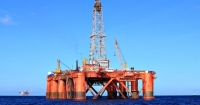
Energy inflation link: Energy remains a defining variable for inflation and capital flows, particularly for import-dependent economies and commodity-linked financial systems. The International Energy Agency notes that oil market stability plays a central role in anchoring inflation expectations, with supply disruptions or geopolitical shocks capable of rapidly transmitting into global pricing and transportation costs.
Middle East allocation: For the Middle East, these dynamics are especially relevant given the region’s fiscal sensitivity to oil revenues and its increasing integration into global capital markets. Sovereign wealth funds and institutional investors in the Gulf continue to diversify into global equities, private markets, and infrastructure assets, supported by strong liquidity conditions and long-term strategic allocation frameworks.
Gold stability role: Gold remains a key stabiliser in this environment. According to the World Gold Council, demand for gold typically strengthens during periods of geopolitical uncertainty, currency volatility, and shifting real interest rate expectations, reinforcing its role as a hedge within diversified institutional and retail portfolios.








Leave a comment