
- by croatiaweek
- in
Croatian households have a strong preference for property as a form of wealth, while households across the euro area continue to keep a large share of their financial assets in cash and bank deposits, according to a new analysis highlighted by Večernji list.
The European Central Bank has been examining why European households invest differently from households in the United States and how more European savings could potentially be directed towards capital markets.
According to the ECB analysis, around 80% of households in the euro area do not own shares or other financial instruments linked to capital markets.
At the same time, approximately one-third of household financial assets, close to €10 trillion, is held in cash and bank deposits with relatively low returns.
The comparison with the United States shows a markedly different investment structure, with American households holding a substantially larger proportion of their wealth in equities and other market-based investments.
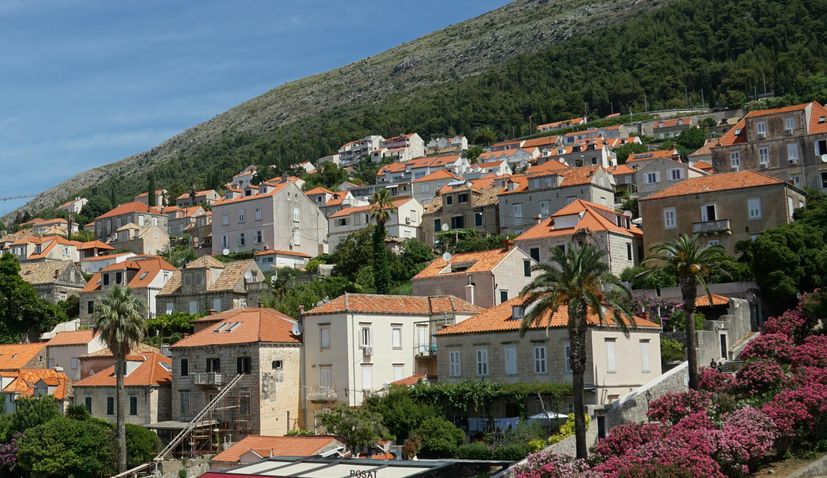
Croatia has another distinctive characteristic: property plays a particularly important role in household wealth.
Home ownership has historically been high, while property has also become an important investment vehicle, particularly in areas with strong tourism demand.
This has contributed to a financial structure in which real estate represents a significant part of household wealth, rather than financial-market investments.
The difference matters because property and financial assets perform differently and carry different risks.
A household whose wealth is concentrated heavily in property may benefit from rising real-estate values but can also face difficulties accessing cash quickly without selling or borrowing against the property.
The ECB’s wider concern is that European savings are not being channelled efficiently into productive investment.
The institution has argued that deeper capital markets could help European businesses obtain funding and support investment, innovation and economic growth.
For Croatia, the discussion is particularly relevant as the country continues to develop its financial market and attract investment.
It also comes at a time when Croatian property prices remain an important issue for households, investors and the tourism sector.
The ECB analysis does not suggest that households should abandon property ownership. Instead, it highlights the structural differences between European and US household finances and the large volume of European savings held outside capital markets.
For Croatian households, the figures provide a broader context for understanding why property remains such a prominent part of personal wealth compared with shares and other financial investments.
Sign up to receive the Croatia Week Newsletter












Leave a comment