
Why no Chinese auto group bought Holden to enter the Australian market like what Geely did with Proton Cars
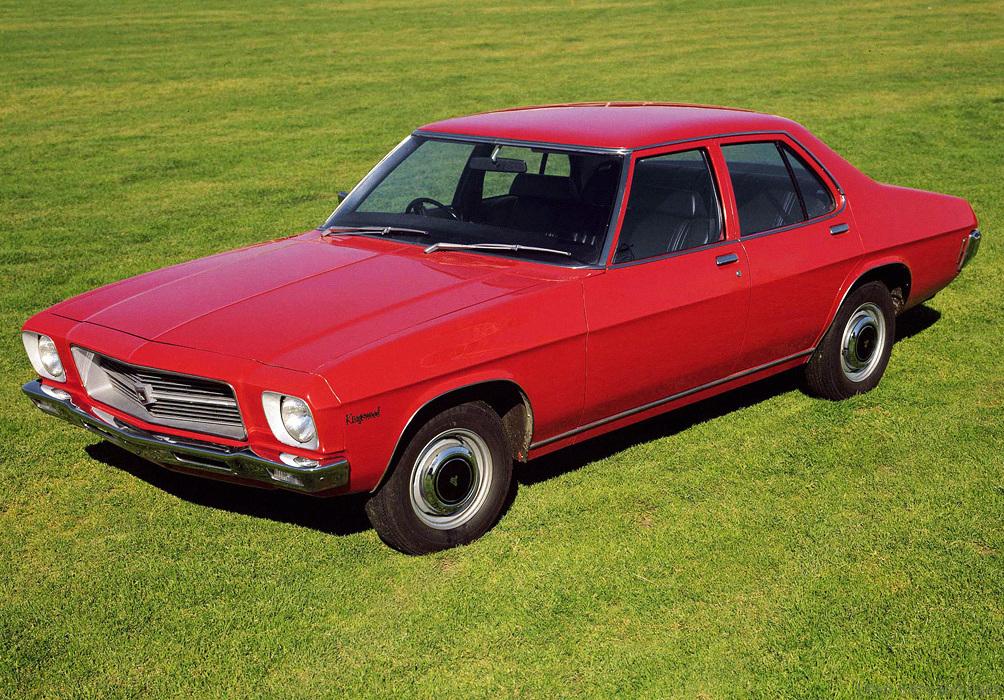
When Zhejiang Geely Holding Group acquired a 49.9% controlling stake in Malaysia’s Proton in 2017, there were some automotive analysts who questioned why Chinese auto groups did not execute a similar acquisition strategy for Australia’s iconic Holden brand.
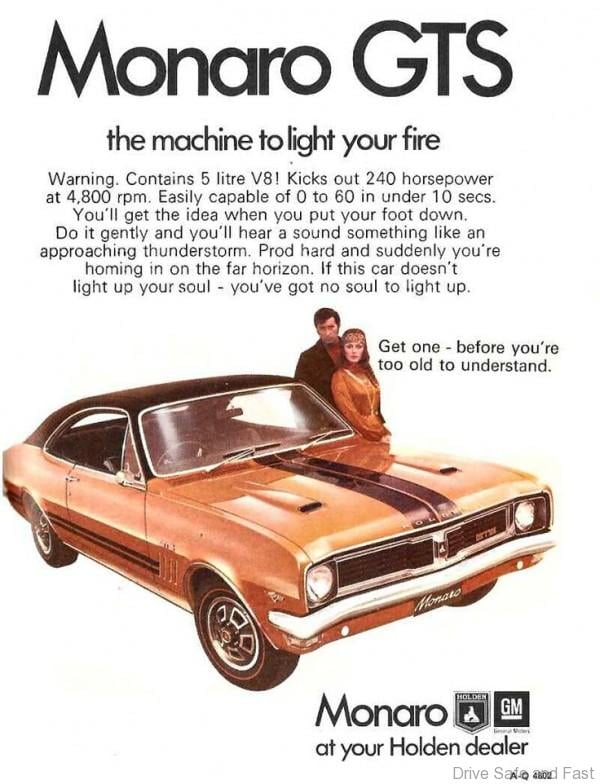
Despite Holden’s decade-spanning domestic brand equity, every major Chinese automaker, including Geely, BYD, SAIC Motor, GWM, and Chery bypassed purchasing the iconic lion badge. Instead, they chose to launch as greenfield standalone brands or revive defunct European auto brands (like SAIC’s MG).
The rationale boils down to a stark contrast in real estate (factories), brand baggage (worth it or not), engineering necessity (homegrown talent) and market size between Proton in Malaysia and Holden in Australia (how many cars on the road between the 2 brands).
General Motor Refused to Sell the Holden Brand Name
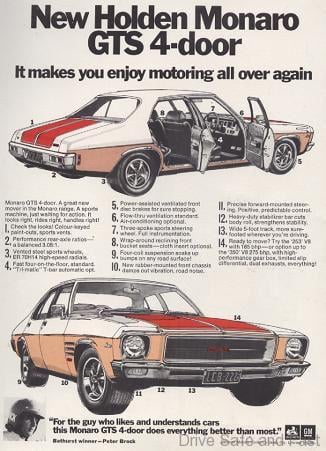
The biggest obstacle to a Chinese takeover of Holden was General Motors (GM) itself. When GM retired the Holden brand in 2020, company executives made it clear to Australian parliamentary inquiries that the Holden trademark and IP were not for sale.
GM retained ownership of the Holden intellectual property (IP), nameplates, and parts operations, converting its Australian presence into GM Specialty Vehicles (GMSV) to import high-margin American vehicles like the Chevrolet Corvette and Silverado. Unlike Malaysia’s DRB-HICOM, which actively sought a global partner for Proton, GM killed Holden outright to liquidate its global Right-Hand Drive (RHD) operations.
Holden Was an “Empty Shell” Without Manufacturing Assets
When Geely bought into Proton, it acquired tangible assets: modern assembly plants in Tanjung Malim and Shah Alam, an established local supplier network, and low-cost manufacturing capabilities suited for the ASEAN region.
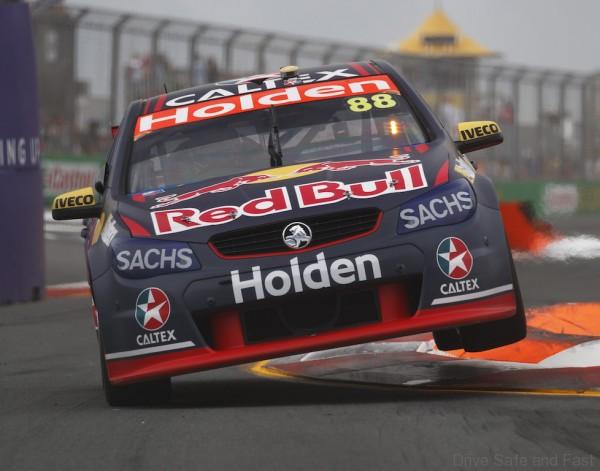
By the time GM shuttered Holden in 2020, Holden had no manufacturing assets left to buy.
Holden stopped local production in Elizabeth, South Australia, in 2017. Its engineering teams were dissolved, and factories were dismantled. Its late-stage vehicles (like the ZB Commodore) were rebadged Opels imported from Europe.
A Chinese OEM buying Holden would have bought nothing more than a trademark badge, a toxic dealership dispute network, and legacy warranty liabilities.
Australia’s Open Market Made Every Brand Entry Easy
The main reason Geely bought Proton was to bypass ASEAN’s strict protective trade tariffs. Malaysia’s domestic automotive policy favored national carmakers, making it near-impossible for an outsider to gain market share without local assembly.
Australia, conversely, is one of the world’s most open, competitive, and tariff-free automotive markets.
Without domestic manufacturing to protect, Australia levies minimal-to-zero import duties on light vehicles.
Chinese OEMs did not need a domestic “trojan horse” brand like Holden to gain a foothold. The Australian government allowed foreign auto brands to easily just simply load and ship complete built up RHD vehicles directly from mega-factories in Shanghai, Wuhu and Shenzhen straight into Australian ports and car showrooms for consumers to own.











Leave a comment