
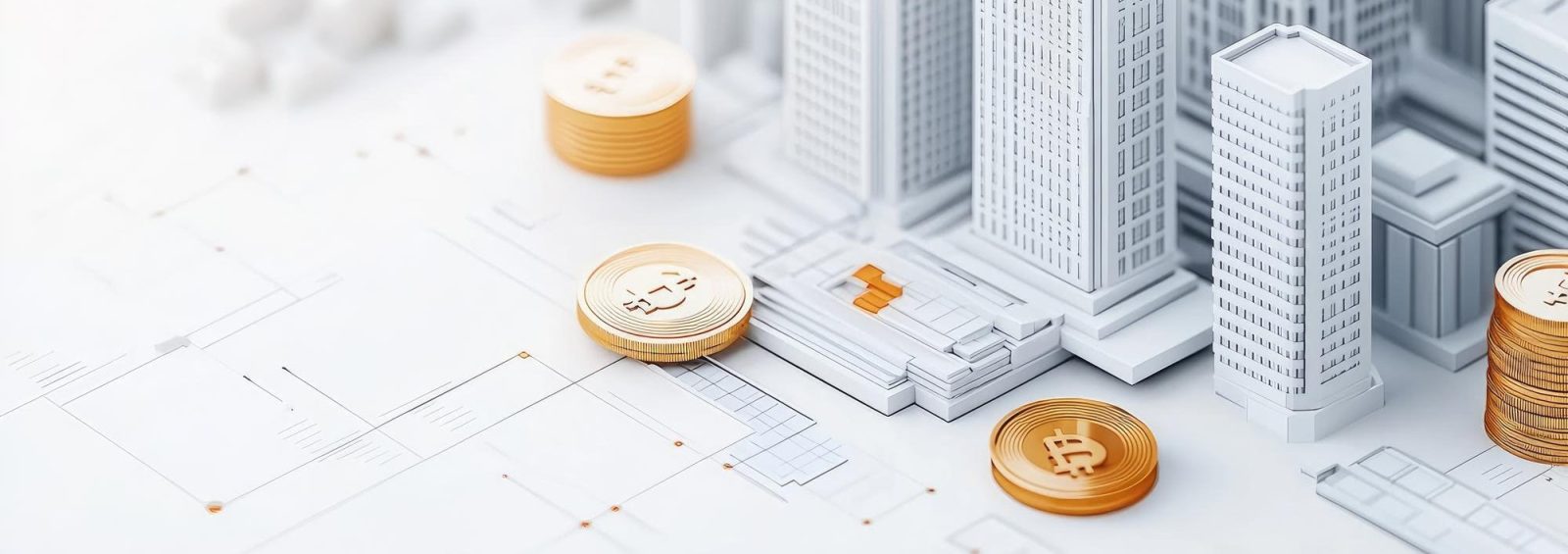
Ever dreamed of owning a piece of prime real estate but thought it was out of reach? The future of real estate investment is here, and it’s more accessible than ever! Welcome to the world of tokenization and fractional ownership—a groundbreaking approach that’s changing the game.
What is Tokenization of Real Estate?
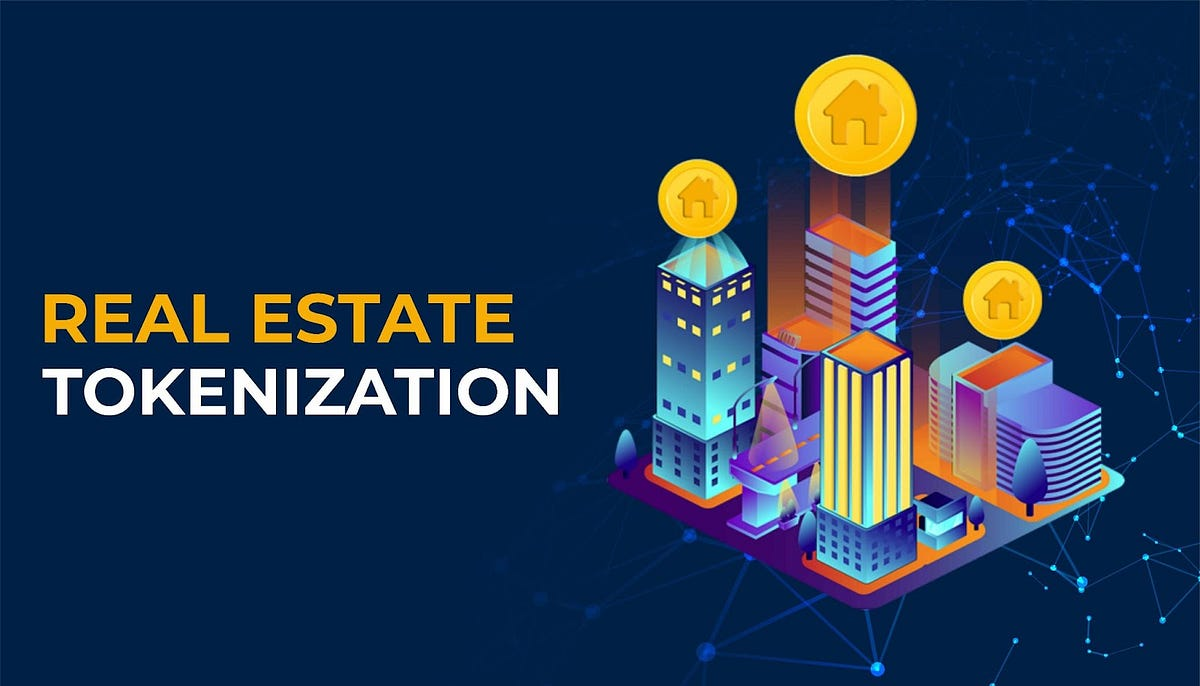
Tokenization is converting ownership rights into digital tokens on a blockchain. By transforming property ownership into easily tradable digital assets, tokenization makes real estate investment more liquid, transparent, and accessible. Imagine owning a fraction of a luxury apartment in New York through a digital token, without the traditional barriers to entry!
Why Tokenize Real Estate?
- Accessibility: Tokenization significantly lowers the entry barriers for investors. Previously, investing in high-value real estate required substantial capital, making it accessible only to wealthy individuals or institutional investors. By breaking down ownership into digital tokens, tokenization allows smaller investors to buy shares in properties they wouldn’t typically be able to afford. This democratizes real estate investment and opens up opportunities for a broader range of people, including those from diverse geographical locations and financial backgrounds. Compare bnb and btc, cryptocurrencies like BNB (Binance Coin) and BTC (Bitcoin) are also accessible to a wider audience than traditional investments, but tokenization of real estate brings this accessibility to tangible assets in the real estate market.
- Liquidity: Traditional real estate investments often require a lengthy and complex sales process, making it difficult to quickly sell assets if needed. Tokenized real estate, on the other hand, can be traded on secondary markets, similar to how cryptocurrencies like BNB and BTC are traded on exchanges. This enhanced liquidity allows investors to buy or sell their shares with greater ease and speed, making it possible to react more flexibly to market conditions or personal financial needs. The ability to quickly liquidate investments can be particularly beneficial in volatile or uncertain market environments, much like the liquidity offered by cryptocurrencies.
- Transparency: Blockchain technology, the backbone of tokenization, offers unparalleled transparency in real estate transactions. Every token transaction is recorded on a decentralized ledger, which is publicly accessible and immutable. This means that ownership records are not only secure but also transparent, reducing the potential for fraud and disputes. Blockchain’s decentralized nature ensures that no single party has control over the records, fostering greater trust among investors. This is similar to the transparency seen with cryptocurrencies like BTC (Bitcoin), where blockchain records are public and immutable. For instance, comparing BTC to XRP (Ripple), while both operate on blockchain technology, BTC is known for its decentralized nature and transparency, whereas XRP is often used for faster and more efficient cross-border transactions. Additionally, smart contracts can automate and enforce the terms of investment agreements, further enhancing transparency and efficiency, much like how smart contracts operate within the cryptocurrency ecosystem.
What is Fractional Ownership?
Fractional ownership involves dividing a property into shares, with each share representing a portion of ownership. Investors purchase these shares, gaining proportional rights to the property’s income and appreciation. This method allows for shared access and responsibility, making high-value real estate investments more accessible to a broader audience.
Why Consider Fractional Ownership?
- Diversification: With fractional ownership, you can invest in multiple properties with a smaller capital outlay, spreading your investment risk.
- Shared Costs: Maintenance, taxes, and management costs are divided among all owners, reducing the financial burden on each individual.
- Lower Risk: By sharing ownership, the financial risk associated with real estate investment is significantly lowered.

Success Stories in Tokenized Real Estate and Fractional Ownership
- Case Study 1: XYZ Company successfully tokenized a commercial building, enabling global investors to own a piece of prime real estate and trade their tokens on the blockchain.
- Case Study 2: Fractional ownership of a vacation property has allowed investors from different backgrounds to share the benefits of a dream getaway without bearing the full cost.
Potential Challenges in Tokenization and Fractional Ownership
- Regulation: Navigating the regulatory landscape can be complex and varies by jurisdiction. Investors need to stay informed about legal requirements.
- Market Volatility: Real estate markets can be unpredictable, affecting tokenized asset value.
- Technology Risks: While blockchain technology offers many benefits, it is still evolving, and there are potential risks related to security and privacy.
The Future of Real Estate Investment
The future of real estate investment is bright with tokenization and fractional ownership on the rise. As technology advances, these methods are expected to become more mainstream, offering new opportunities for investors and reshaping the real estate landscape.
Ready to Dive In?
Interested in exploring tokenized real estate or fractional ownership? Join our upcoming webinar or get in touch with our experts to learn more about how you can be a part of this revolutionary investment opportunity.
Conclusion
Tokenization and fractional ownership are revolutionizing real estate investment by making it more inclusive and flexible. Embrace the future of real estate and discover new ways to grow your investment portfolio today!











Leave a comment