
Sponsored by
Every facilities manager knows the frustration: equipment fails at the worst possible moment, maintenance crews scramble, budgets stretch, and leadership wants answers. For many organizations, the root cause is not a lack of tools, it is a lack of disciplined processes around the Enterprise Asset Management (EAM) or Computerized Maintenance Management System (CMMS) already in place.
At Strategic Maintenance Solutions (SMS), we have spent more than 27 years helping Fortune 1000 companies, manufacturers, utilities, and government facilities get measurably more value from their EAM and CMMS investments. The organizations that succeed are not always the ones with the most sophisticated software. They are the ones that build consistent, repeatable practices around their systems.
Here are the seven best practices we see make the biggest impact, and what it takes to put each one into action.
1. Build A Comprehensive Asset Inventory
An EAM or CMMS is only as useful as the data inside it. If your asset records are incomplete, inconsistent, or out of date, every downstream process, from work order creation to capital planning suffers.
A strong asset inventory means maintaining a detailed, accurate record for every physical asset in your portfolio: location, categorization, classification, unique identifiers, condition, and full maintenance history. This is not a one-time data load. It requires ongoing governance to ensure new assets are added correctly and existing records are kept current.
Think of the asset inventory as the foundation of your maintenance program. Without it, your team is making decisions without the full picture.
2. Standardize Data Entry Across The System
Inconsistent data is one of the most common and most costly problems facilities teams face. When one technician logs a pump failure as ‘pump broken,’ another logs it as ‘PUMP-FAIL-02,’ and a third logs it under the wrong asset entirely, you lose the ability to spot trends, compare performance, or run meaningful reports.
Standardizing data entry means establishing and enforcing uniform naming conventions, work type codes, failure codes, cause codes, and asset categories across your entire organization. This should be documented, trained, and audited regularly.
The payoff is enormous: reliable data that supports better decisions, accurate reporting for leadership, and a maintenance history you can actually learn from.
3. Implement A Work Order Prioritization Framework
Not every work order is created equal. A leaking roof drain in an unoccupied storage area is not the same as a failing HVAC unit in a critical data center or a safety hazard in a production facility. Yet many organizations treat all work orders as equal or leave prioritization to individual judgment, which leads to inconsistency.
A clear work order prioritization framework defines how work is ranked based on factors like asset criticality, safety implications, operational impact, regulatory requirements, and urgency. With a defined framework in place, your team always knows what to work on next and can defend those decisions to leadership.
Prioritization also helps organizations avoid the trap of constantly reacting to emergencies while preventive work piles up. When the framework is embedded in your EAM system, it becomes automatic rather than dependent on individual judgment calls.
4. Develop A Robust Preventive Maintenance Schedule
Reactive maintenance is always more expensive than preventive maintenance. Emergency repairs cost more in parts, labor, and lost productivity and they create safety risks that planned maintenance avoids.
Building a strong preventive maintenance (PM) schedule starts with manufacturer recommendations, but it cannot stop there. Historical failure data, technician feedback, and operational patterns all need to inform how and when PMs are performed.
Equally important: avoid over-maintenance. Performing PMs more frequently than necessary wastes labor and parts without adding reliability benefit. The goal is the right maintenance at the right interval — extending asset life, reducing unplanned failures, and optimizing how technician time and materials are used.
A well-calibrated PM program is one of the highest-return investments a facilities team can make.
5. Define And Track Performance Metrics And KPIs
You cannot improve what you do not measure. Facilities teams that operate without defined key performance indicators (KPIs) struggle to communicate value to leadership, identify where processes are breaking down, or demonstrate improvement over time.
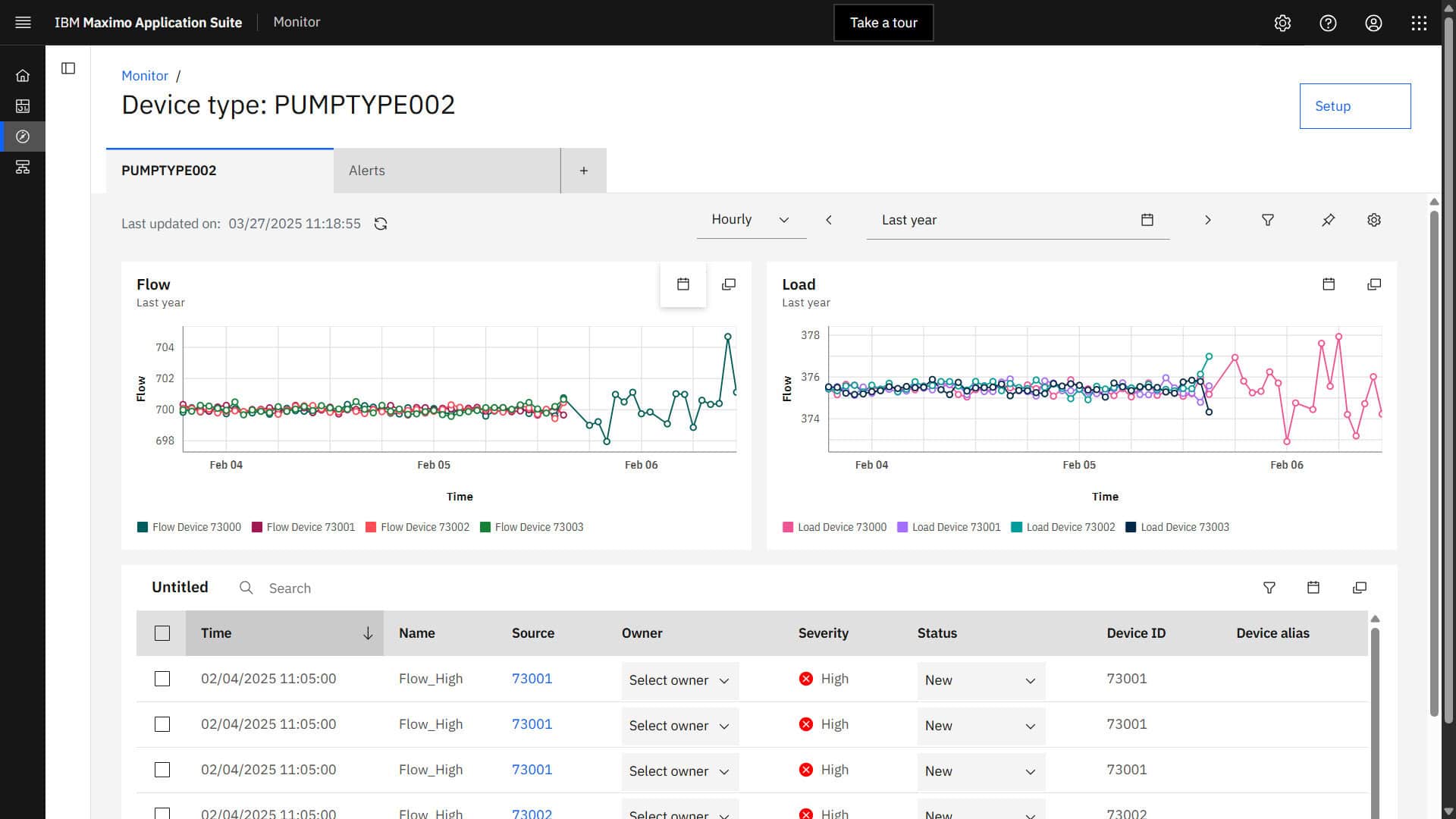
Effective EAM metrics go beyond basic work order counts. Leading organizations track mean time between failures (MTBF), mean time to repair (MTTR), planned maintenance compliance, PM completion rates, reactive versus proactive maintenance ratios, and overall equipment effectiveness (OEE) where applicable.
These metrics should be reviewed regularly, ideally in a standing operations review and used to drive specific improvement actions. When KPIs are embedded in your EAM system and visible to the team, they shift the culture from reactive to performance-driven.
6. Invest In User Training And Ongoing Engagement
The most capable EAM platform in the world delivers no value if the people using it are undertrained, disengaged, or working around it rather than through it.
Comprehensive user training is not a one-time event at go-live. It needs to be ongoing: refresher training as processes evolve, onboarding programs for new team members, and role-specific training that gives each user exactly what they need to do their job effectively.
Beyond training, engagement matters. Create feedback loops where technicians, supervisors, and planners can flag issues, suggest improvements, and participate in decisions about how the system is used. When users feel ownership over the system, adoption improves — and so does data quality.
7. Optimize Resource Allocation Across People, Tools, And Inventory
Efficient maintenance operations require the right resources in the right place, at the right time. That means aligning technician skills and schedules to work demand, ensuring tools and equipment are available when needed, and maintaining storeroom inventory at levels that support operations without carrying unnecessary carrying costs.
EAM systems can help by analyzing historical demand patterns, surfacing scheduling conflicts before they become problems, and flagging inventory shortfalls that could delay work. But getting full value from these capabilities requires clean data (see best practices 1 and 2 above) and consistent processes.
Resource optimization is where a mature EAM program really pays off: lower costs, less waste, and a maintenance operation that can handle more work with the same team.
Putting It All Together
These seven best practices are not independent, they reinforce each other. A comprehensive asset inventory feeds better PM scheduling. Standardized data entry makes KPIs meaningful. User engagement improves data quality. When implemented together, they transform an EAM or CMMS from a record-keeping tool into a genuine operational advantage.
(Credit: Strategic Maintenance Solutions, Inc. | www.sms-inc.net)
The organizations that get the most from their EAM investments are the ones that commit to continuous improvement regularly reviewing their processes, measuring results, and making adjustments based on what the data shows.
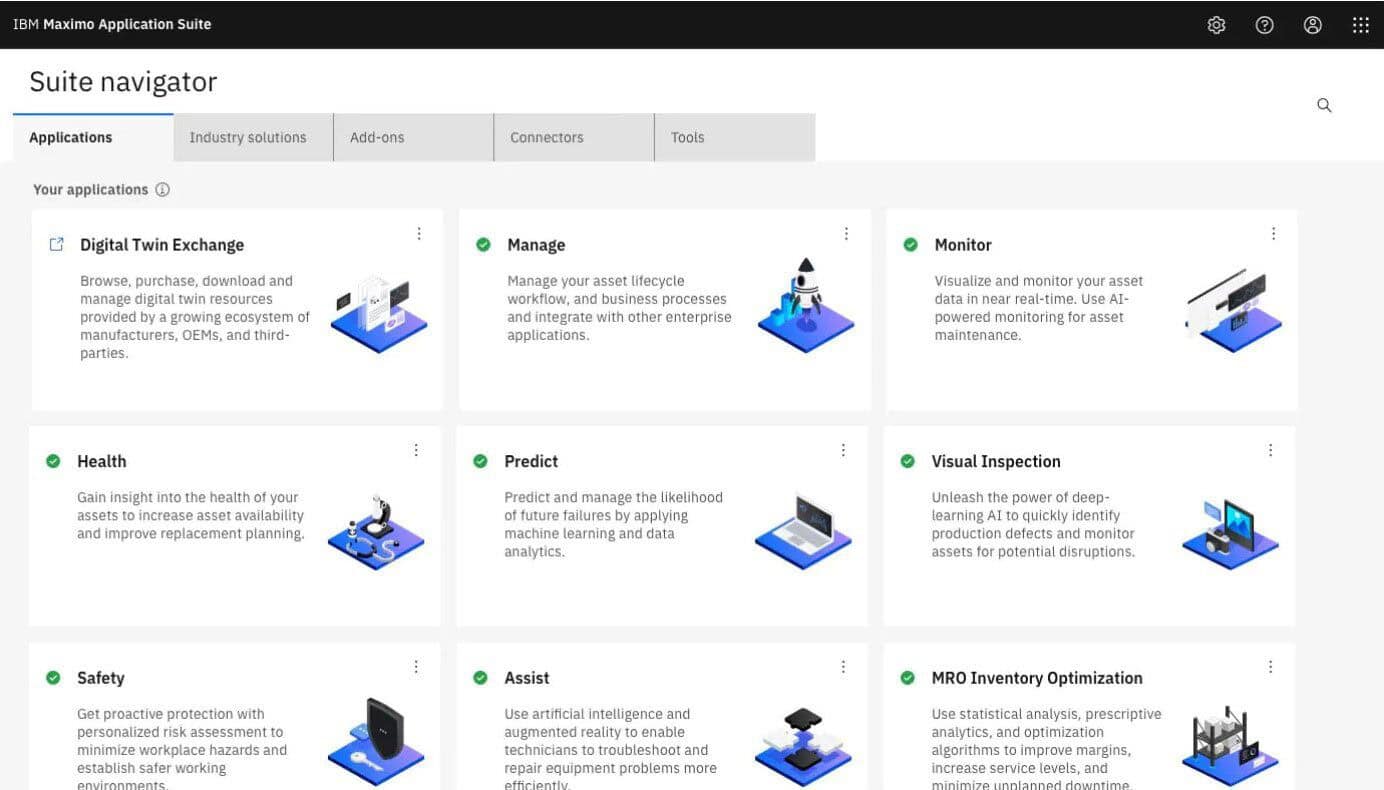
At SMS, we work alongside facilities teams to implement these practices, build the governance structures that sustain them, and configure EAM platforms, including IBM Maximo, the industry’s leading enterprise asset management solution to support them at every level. With more than 27 years of experience and over 1,000 projects delivered across 16 countries, we bring both the technical depth and the operational expertise to help your team get measurable, lasting results.
To learn more about how SMS can help your organization optimize its EAM or CMMS implementation,
visit www.sms-inc.net or contact us at +1 (207) 854-9400.









Leave a comment