
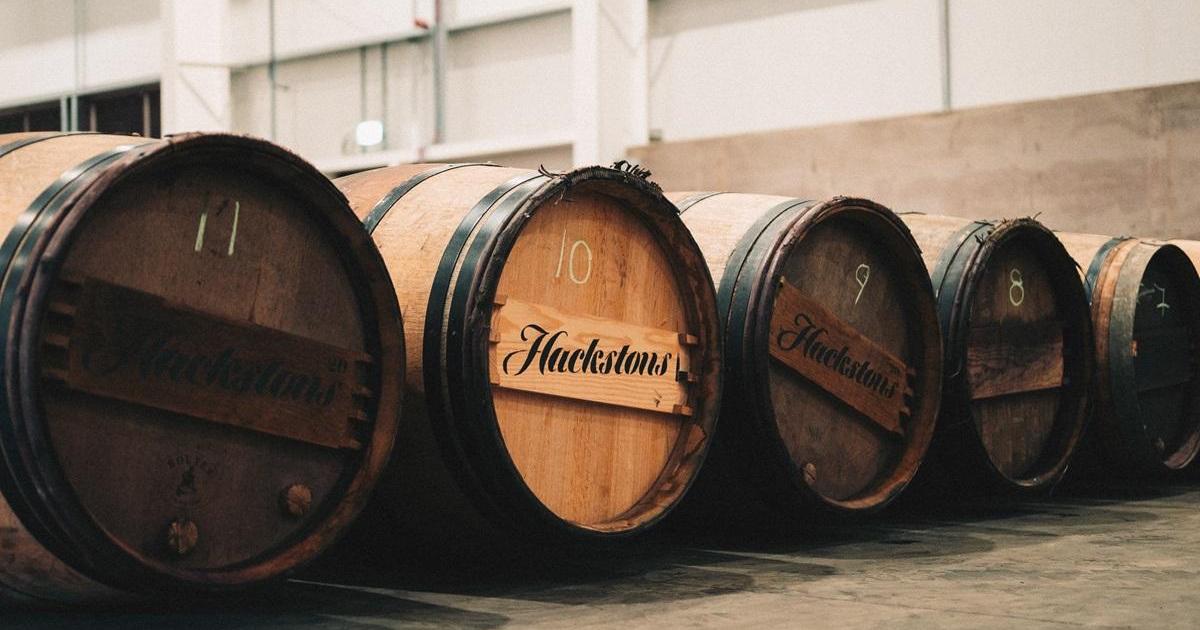
In a world where markets shift overnight and paper wealth can vanish just as quickly as it’s made, more savvy investors are seeking tangible assets, something they can see, touch, and even taste. Among these, Scotch whisky casks have emerged as a particularly compelling choice.
A physical, appreciating asset stored safely in Scotland, whisky ownership offers a rare combination of cultural heritage and potential capital appreciation, qualities that have drawn increasing interest from discerning investors around the world, including Malta.
Yes, that humble cask quietly ageing in a bonded warehouse in Scotland might just be one of the most rewarding assets you can own, particularly if you’re looking to diversify, increase your return on investment, and build a lasting legacy.
A different kind of asset
Whisky is a physical, consumable asset that matures with time and care. Each cask develops character and complexity as it rests, gaining both flavour and value as years go by.
This simple truth? Whisky literally improves with age. Take a look in your local spirits shop and you’ll see a 30-year-old whisky is always more expensive than a 20-year-old of the same brand. This basic concept underpins exactly why cask whisky has become a serious consideration for investors looking for diversification and potentially promising returns.
One of the greatest appeals of cask whisky ownership lies in its unique tax treatment. In the UK, under UK law, Scotch whisky maturing in cask is classified as a “wasting asset.”
That term might sound unflattering, but it’s actually a major advantage. A wasting asset is defined by HMRC as an asset with a predictable life of less than 50 years. Because whisky naturally evaporates over time, around 2% each year, known charmingly as the “angel’s share”, it falls under this definition.
The result? When you sell your whisky cask, you’re not liable for UK Capital Gains Tax (CGT). For investors used to calculating every basis point of taxable profit, this exemption is an appealing quirk of the Scotch industry. It is however worth noting that if you bottle your whisky the process will be subject to Duty, VAT and potentially CGT.
Diversification with real depth
In uncertain times, diversification isn’t just a buzzword, it’s a survival strategy. Traditional portfolios built purely on equities and bonds are more vulnerable than ever to market swings, inflation, and geopolitical shifts.
Cask whisky, by contrast, moves to its own rhythm. Its value isn’t dictated by stock exchanges or central banks. Instead, it’s driven by something far more predictable: time, scarcity, and global demand for quality Scotch.
By adding whisky to your portfolio, you introduce a tangible layer of security. An asset class that historically shows low correlation with financial markets. It’s a simple but powerful form of wealth protection: when markets wobble, your cask quietly matures.
Maturation: Where time creates value
Here’s where whisky truly stands apart. Where many assets might depreciate or stagnate, whisky casks improve as they age. Each year in the barrel, the spirit interacts with the oak, drawing out new flavours, colours, and aromas. This process transforms young spirit into premium single malt.
As the whisky matures, its scarcity increases. For Scotch to be classified as Scotch it must mature in a cask in Scotland for a minimum of 3 years. Distilleries only produce a limited number of casks each year, and once bottled, that batch can rarely be replicated. The result is an ever-diminishing supply of aged whisky, a perfect recipe for appreciation in value.
 Cask whisky ownership is not just for collectors or connoisseurs.
There’s no such thing as guaranteed returns with any investment of course, but cask whisky has the ability to offer promising returns due to the nature of its maturation.
However, this maturation process doesn’t just create potential financial value; it creates emotional and cultural worth. For many, owning a cask of whisky feels like holding a small piece of history, quietly evolving in its own corner of Scotland. For those with the foresight to start today, cask whisky offers the chance to watch your asset quite literally grow more valuable with time.
Growing global demand
Whisky isn’t just a Scottish success story – it’s a global phenomenon. In 2024, Scotch exports exceeded £5.4 billion, reaching 168 markets worldwide, with India, Japan, and Brazil among the biggest growth regions.
What’s driving this boom? A growing middle class across Asia and beyond, coupled with a rising appreciation for craftsmanship and authenticity. Premium spirits are no longer just drinks, they’re status symbols, collectibles, and alternative investment assets.
Yet, for all this growing demand, supply remains limited. A cask takes years, sometimes decades, to reach its prime, and distilleries can’t simply produce aged whisky on demand. This fundamental imbalance between supply and demand is what gives whisky its remarkable long-term resilience as an asset.
Tangibility and ownership
One of the more satisfying aspects of cask whisky ownership is its tangibility. You own the asset outright, the cask is registered in your name and stored in a HMRC-bonded warehouse.
With Hackstons, you can visit your cask, request samples as it matures, or even choose to bottle it under your own label when the time comes. Unlike shares or digital assets, whisky is something you can quite literally toast to.
That sense of connection and craftsmanship is a big part of why so many investors are drawn to it. It’s not just about numbers; it’s about owning something real, historic, and with its own unique story.
A legacy asset
Cask whisky is often referred to as “liquid gold”, and with good reason. Beyond the potential for capital appreciation, it offers a unique opportunity to create a tangible legacy.
A cask can be passed down through generations, bottled to celebrate milestones, or used to build a family collection. It’s an asset that carries both emotional and financial value, a rare combination in today’s world of intangible wealth.
For individuals who value long-term planning and intergenerational wealth, this makes whisky an intriguing and meaningful addition to their portfolio.
Points to consider before you begin
Like all assets, whisky ownership is not risk-free and comes with considerations before investing. Here’s some things to consider before you start your cask whisky journey.
Do your due diligence
Not every whisky company operates to the same standard. It’s essential to check credentials, read reviews, and where possible, meet representatives in person. Always verify ownership documentation and ensure casks are stored in legitimate bonded warehouses. Working with a reputable firm like Hackstons ensures transparency, traceability, and genuine ownership from the start.
No guaranteed returns
While whisky casks have historically shown strong growth, past performance doesn’t guarantee future results. The market is influenced by factors such as age, distillery reputation, and broader demand, all of which can shift over time. Approach cask ownership with a long-term mindset rather than an expectation of short-term profit.
Limited liquidity
The cask market is smaller and more specialised than traditional investments. Selling a cask can take time and may require patience, as the right buyer must be found, particularly for rarer or older expressions. However, for those comfortable with a longer holding period, this limited liquidity often contributes to the asset’s exclusivity and steady value appreciation.
Why it resonates with investors
For those who work hard, plan ahead, and understand the importance of diversification, cask whisky ownership could be the perfect next step, as it fits this ethos perfectly.
It offers an asset that’s private, secure, and tangible, one that grows independently of market volatility and provides a potential CGT advantage. It’s also an opportunity to engage with a heritage industry steeped in craftsmanship and culture.
In a nutshell
Cask whisky ownership is not just for collectors or connoisseurs. Increasingly, it’s becoming a considered financial decision, one that sits comfortably alongside traditional investments such as stocks or shares, or other alternatives like art, property, or wine.
With the right investment company, you can enter the market with confidence, understanding both the potential rewards and the practicalities of ownership. Whether you hold your cask for five years or twenty, it represents something rare in the modern financial world: a timeless, tangible asset that appreciates quietly, independent of more chaotic markets.
For individuals seeking to diversify, protect their gains, and build a legacy, cask whisky ownership offers a unique balance of sophistication and strategy.
After all, some investments you track. Others you can raise a glass to.
Interested in exploring cask whisky ownership? Get in touch with Hackstons today to learn more about how whisky could fit into your long-term wealth strategy.
Disclaimer: The information provided in this article is being provided solely for informational purposes and should not be construed as investment, tax or legal advice.












Leave a comment