
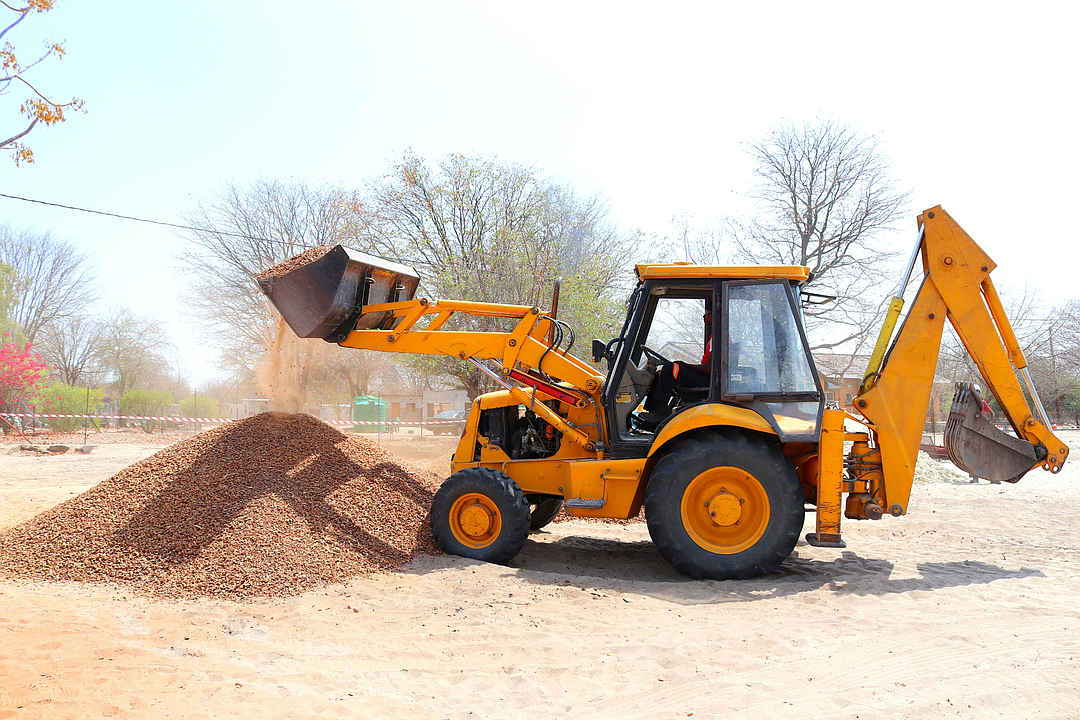
The decision to buy or lease heavy machinery for shore contracting depends entirely on your annual utilization hours and the volatility of your local project pipeline. If a machine like a compact excavator sits idle for more than 40% of the year, the overhead of ownership will likely cannibalize the profits from your active jobs.
Shore work is inherently erratic because it is reactive to weather patterns and seasonal real-estate cycles. You might need three skid steers running double shifts after a coastal storm, but only one for a month of routine bulkhead repairs. Leasing provides the elasticity to scale your fleet without the anchor of a long-term monthly note during the quiet months.
Many shore restoration projects are in process across the Atlantic coastline during peak construction season. The current volume requires reliable iron that doesn’t spend half the week in a repair shop. When you lease, you are essentially paying for uptime, as most modern agreements shift the burden of major mechanical failures and routine servicing back to the dealer.
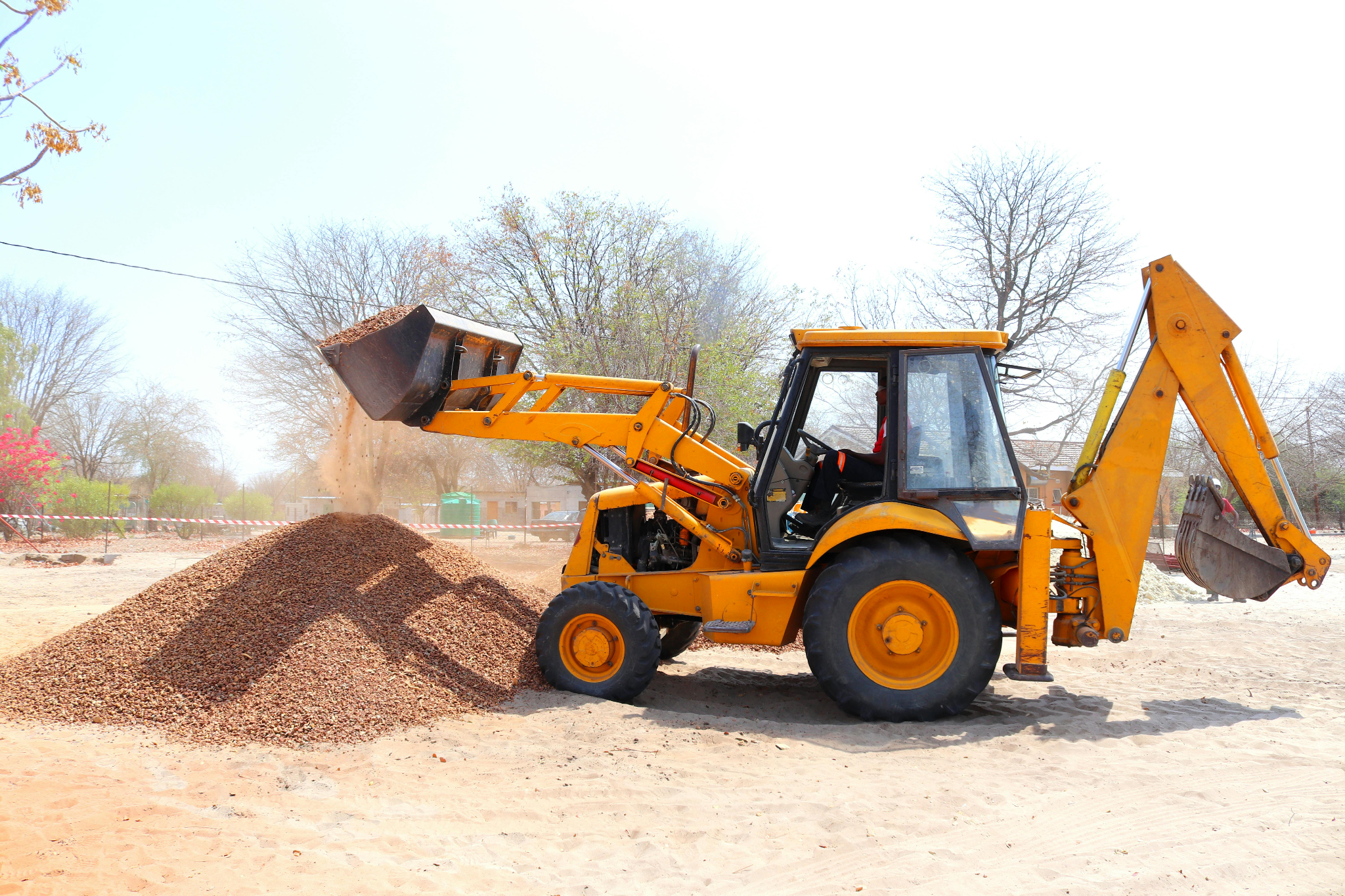
Image Source: Pexels
The Math Behind Machine Utilization
For many veteran contractors, the tipping point for ownership is roughly 600 to 800 hours of operation per year. If you can guarantee that a piece of equipment will be moving dirt or driving piles for that much of the calendar, purchasing becomes the more aggressive wealth-building move.
Ownership allows you to build equity in an asset that retains significant value even after five years of hard use in salt-air environments. However, the upfront cost is rarely the only hurdle. You have to account for the specialized storage required to prevent corrosion and the specialized technicians needed to handle Tier 4 final engine sensors.
Many firms are finding success with a hybrid approach that favors financing for their “bread and butter” machines. Equipment financing allows contractors to spread the cost of essential assets over time while using the equipment itself as collateral, making approvals more accessible for growing businesses.
By securing favorable EFA financing terms to approve equipment financing for core assets such as backhoes and loaders, contractors can lock in predictable payment structures aligned with the useful life of the equipment. This approach supports cash flow while providing a clear path to full ownership, along with the tax benefits of depreciation.
Navigating Technical Obsolescence and Cash Flow
The pace of technological change in heavy equipment is accelerating, specifically regarding telematics and automated grade control. Buying a machine today means you are married to that specific generation of technology for the next decade. If the industry shifts toward fully electric compact loaders or more advanced GPS integration in three years, your owned fleet could become less competitive on high-spec municipal bids.
Leasing acts as a hedge against this obsolescence. You can cycle into the newest models every three or four years, ensuring your crews always have the most fuel-efficient and productive tools available. This is particularly vital for shore contractors who face strict environmental regulations regarding fluid leaks and emissions in sensitive coastal zones.
The cash flow implications are equally stark when you look at the immediate impact on your operating capital. A lease typically requires less cash up front, leaving your reserves open for materials, payroll, or unexpected project delays.
Consider these factors when weighing your fleet expansion:
- Current interest rates for equipment loans versus lease factors
- Predicted resale value of specialized coastal machinery after five years
- Total cost of climate-controlled storage for owned assets
High-utilization machines like skid steers with specialized attachments often make more sense as purchases because they are the workhorses of every site. They are the first off the trailer and the last to be loaded. Conversely, a high-reach telehandler used only for specific roofing or framing phases of a coastal buildout is a prime candidate for a lease or short-term rental.
Balancing Maintenance and Resale Value
Maintenance in a saltwater environment is not a suggestion; it is a daily requirement for survival, applying to properties as well as equipment. Owned hardware requires a dedicated maintenance schedule and staff who understand how to counteract the rapid oxidation that occurs on coastal job sites. When you own the machine, every speck of rust is a direct hit to your eventual resale value.
Leasing mitigates some of this anxiety because the “exit strategy” is pre-determined. You know exactly when the machine is going back and what your financial exposure is. You aren’t at the mercy of the used equipment market five years down the line when you’re trying to offload a machine that has spent its life in the sand.
There is also the matter of “soft costs” that many contractors overlook. These include insurance premiums, property taxes on owned assets, and the administrative time spent tracking service intervals. When these are bundled into a single lease payment, the true cost of the machine becomes much easier to track against the revenue of specific projects.
Identifying Your Core Fleet Requirements
Before signing any paperwork, audit your equipment usage for the past 24 months. Look for the “gap” between what you needed and what you actually had on hand. If you consistently spend more on short-term rentals for a specific machine class than a monthly finance payment would cost, it is time to look at a permanent addition to your yard.
Modern financing tools have become more flexible, allowing for seasonal payment structures that mirror the ebb and flow of coastal construction. This means you can potentially lower your payments during the winter freeze and catch up during the summer rush. It is about aligning your debt with your actual revenue, rather than forcing a rigid corporate payment structure onto a fluid industry.
Strategic fleet management is the difference between a contractor who survives the off-season and one who thrives through it. By using data to drive your procurement, you ensure that every engine that turns over on your site is contributing to the bottom line, rather than just burning through your overhead.
Strategic Equipment Acquisition Planning
Determining the right mix of iron for your business requires a long-term view of your market’s development. If your region is seeing a massive influx of new residential coastal builds, your equipment needs will look very different from those of a region focused on heavy civil infrastructure and sea-wall reinforcement.
Base your decision on the specific soil conditions and access challenges of your typical job site. Heavy, owned machinery is great for stability, but if you are frequently working on tight residential lots with limited load-bearing capacity, leasing smaller, more nimble units may save you more in repair and transport costs than you would ever gain in equity.
Our site has plenty more insights into what it takes to run a successful business in coastal communities, so read our other posts and push your operations to new heights.










Leave a comment