

Possible delay with providing license for Patriot SAM missile production was tied to these missile manufacturers’ concerns that Ukrainian defense-industrial complex could improve these missiles, and also produce faster and cheaper than American companies.
Such opinion, voiced by unnamed American high-ranking official, was published by The Atlantic. At the same time, specifically this reason was named the real one, despite Raytheon and Lockheed Martin allegedly officially warning that license transfer could lead to intellectual property theft and technology transfer.
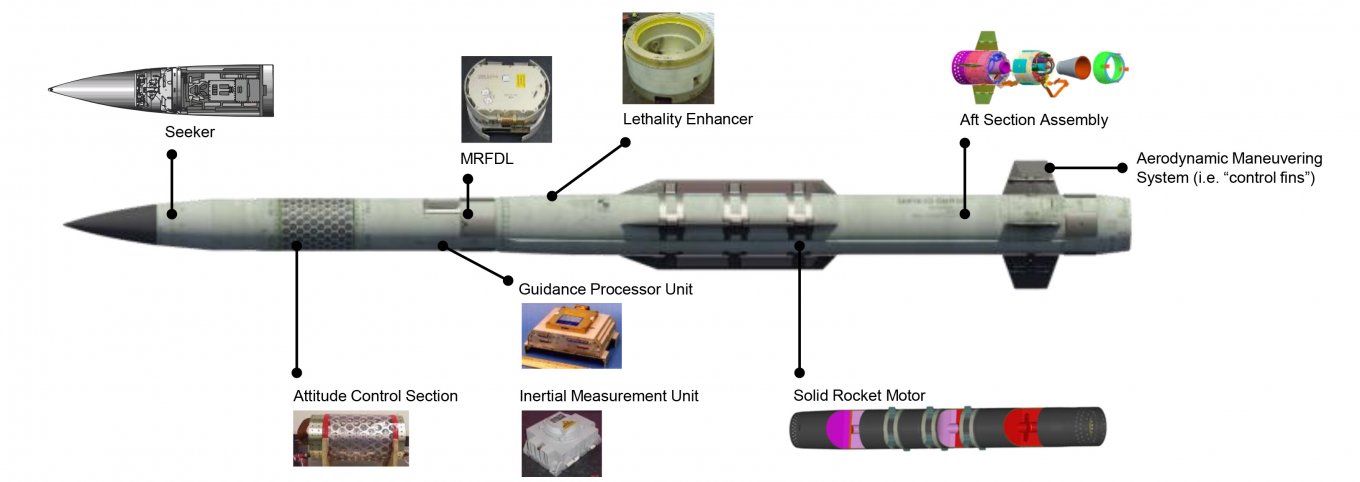
At the same time, Defense Express notes both reasons can hardly exist in reality. Specifically Raytheon and Lockheed Martin themselves have enormous experience regarding cooperation with foreign partners. Over many decades of such practice they refined all control mechanisms and potential risk reduction.
Specifically Lockheed Martin even during organizing PAC-3 missile assembly in Japan at Mitsubishi Heavy Industries did not go for transferring entire missile production and its key components, for example active radar seeker. Meaning specifically in American companies’ hands is entire strategy for establishing cooperation, choosing what, when and how to transfer, as well as control over timelines for creating new production capacities through organization and control, as well as final certification. Moreover, usually parent company itself purchases products, as Poland example perfectly demonstrates.
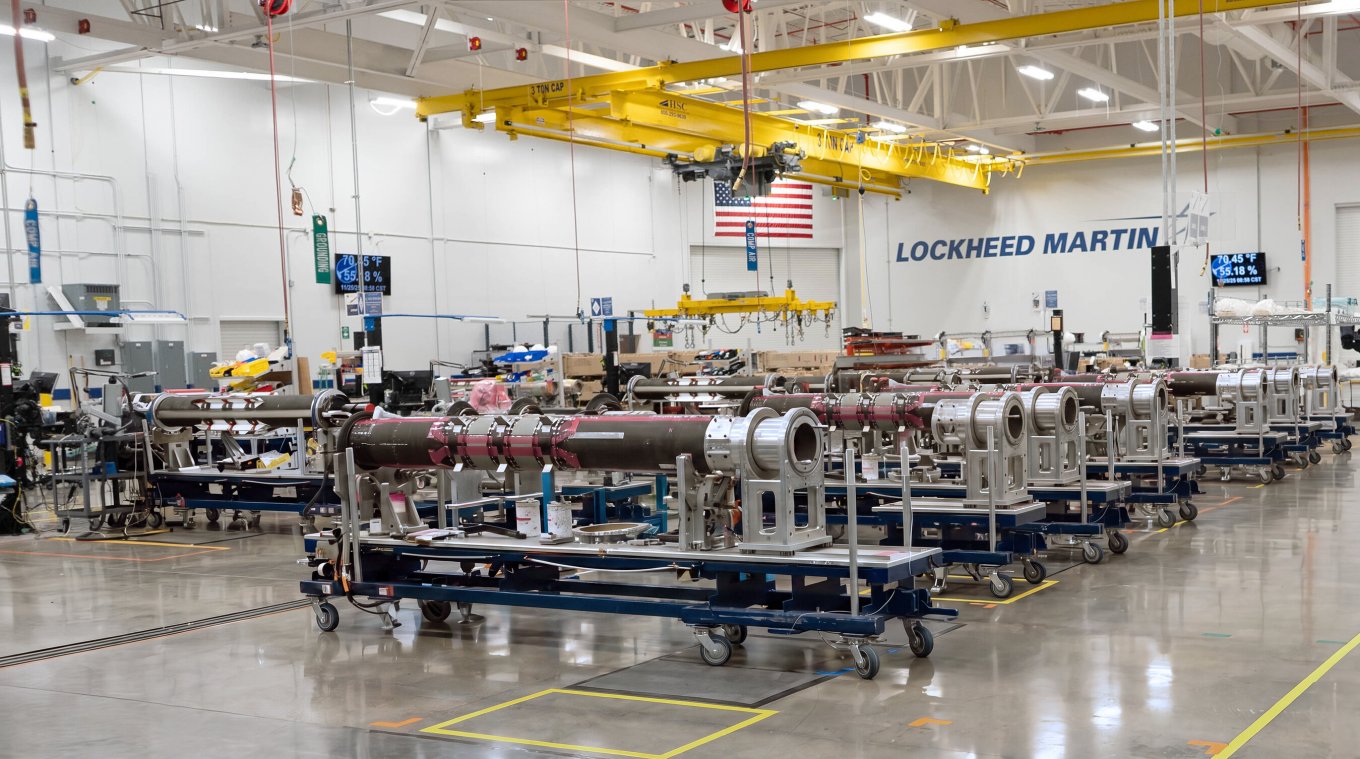
Quite often for such tasks joint enterprise is created, or foreign company opens its overseas subsidiary. Meaning Lockheed Martin or Raytheon can quite obtain direct control over all production processes directly from management offices.
Considering that from agreement formalization to production start several years will pass, this is all long-term project. At same time, usually new cooperation begins with absolutely non-secret elements. This is precisely why all possible concerns regarding intellectual property risks do not withstand real criticism.
Meanwhile allegedly real concerns regarding Ukrainian manufacturers’ capability to produce Patriot missiles faster and cheaper than American companies also appear somewhat illogical. Fact is Ukraine even having received right to produce certain components and assemble missiles using American key components still cannot export them except by Washington’s own decision and control.
At same time, Lockheed Martin is precisely seeking means for expanding Patriot anti-ballistic missile production and developing new PAC-3 ACE missile, created for direct production together with European partners. At same time American companies definitely know how to turn production cost difference in various countries into own profits.
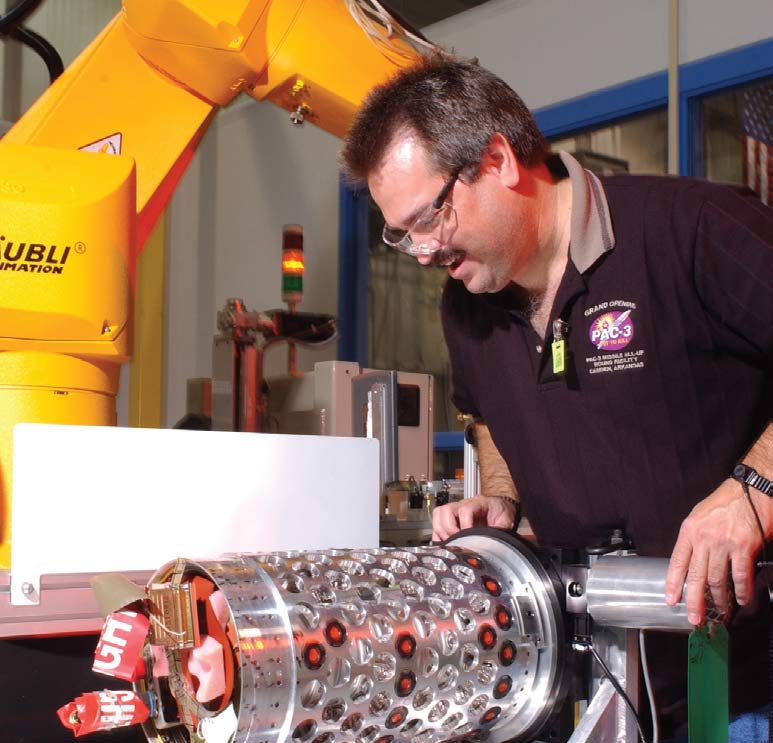
Capability for Ukraine to independently improve these missiles without developer participation is of course very complimentary for Ukrainian defense industry. At same time these works can hardly be conducted otherwise than in close cooperation with American side, which retains all know-how regarding key components.
Meaning overall entire situation around Patriot missile licenses requires understanding that firstly, this is long-term project whose fruits may appear only in several years. At same time, considering global anti-ballistic missile deficit, this project will be relevant and needed for decades more.
Secondly, Ukraine should not count on receiving capability for complete entire missile production. American companies simply do not practice such decisions and Ukraine will not be exception. On contrary, with high probability, before Ukrainian defense industry, as practiced, tasks will first be set to prove capability for quality production of simpler components, with subsequent transition to more complex tasks.












Leave a comment