

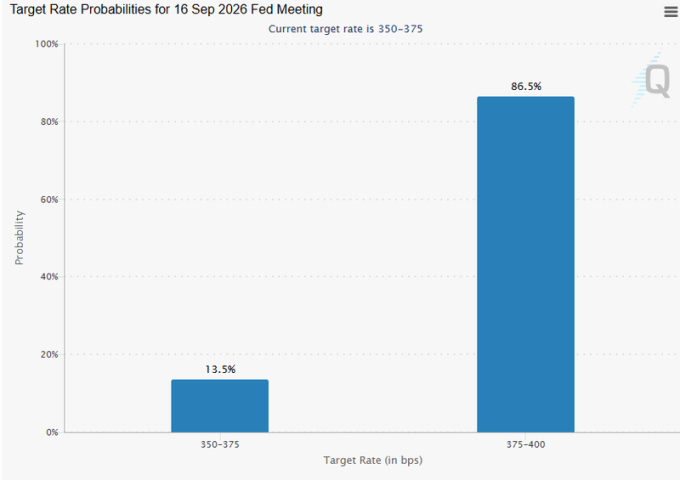
Inflation is showing signs of cooling; the economy is running hot, and the odds that the Federal Reserve will raise interest rates are dropping. Any one of those would be an argument against buying . Put them all together; there would seem to be a definitive bearish case against the yellow metal.
But if this is a poor time to buy gold, the message hasn’t made its way to central banks. It’s true that some central banks sold a total of about 30 tons of gold in Q1 2026. However, much of that was done for tactical, country-specific reasons.
Furthermore, it was only a small percentage compared to the 474 tons that central banks purchased in the quarter. They don’t plan on stopping. Nearly 90% of central banks surveyed plan to increase their gold reserves in the next 12 months.
The Reasons to Own Gold Haven’t Changed
Many analysts warned that gold was likely to fall sharply after it crested at over $5,500 an ounce in early 2026. They got the price action right, but many got the reason wrong.
Gold tends to move higher when investors become worried. As 2025 came to an end, many factors concerned investors. The economy was running hot, perhaps too hot, and investors were concerned that inflation was going to move higher.
Gold and interest rates tend to have an inverse relationship, so gold tends to decline when interest rates rise. However, in the last quarter of 2025, the Federal Reserve cut interest rates twice. One reason for the pressure on the yellow metal’s price in the first quarter was the belief that the next directional move for interest rates would be an increase.
That’s looking less likely as the ceasefire between the United States and Iran has ended. The U.S. war machine will need more fuel in the form of U.S. dollars, and those dollars will add to the precarious U.S. national debt.
How Mining Stocks Solve Gold’s Storage Problem
Owning physical gold and/or silver is always an option. However, it comes with storage and insurance costs that many investors would rather avoid. That’s where mining stocks can be attractive options. And in 2026, many investors are drawn to mining stocks trading below $5.
That price range is usually home to many junior miners. Junior miners are typically explorers or early-stage developers, which makes them speculative stocks with binary outcomes tied to drill results and financing.
That’s not the case with the three stocks being highlighted here. Each company generates real revenue today, and each has a fair amount of analyst coverage. Those analysts see double- or triple-digit upside over the next 12 months. That means investors can treat these as genuine positions in a diversified portfolio, not just speculative side bets.
1. Gold Royalty Offers Growth Without Mining Risk
Gold Royalty isn’t a mine operator. Instead, it collects royalties from mines operated by other companies, removing the operating cost risk that weighs on traditional miners.
Shares trade around $2.60, which is below the consensus price target of $5.75. That implies an upside of over 120% from recent levels.
The company just posted record first-quarter total revenue of $9.4 million. It also holds $13.6 million in cash with zero debt and an undrawn $150 million credit facility for further royalty purchases. Growth should keep building through 2026. Management reaffirmed guidance of 7,500 to 9,300 gold equivalent ounces, weighted toward the back half of the year as newer assets ramp up production.
2. Americas Gold and Silver Is a Turnaround in Motion
Americas Gold and Silver is a Canadian-based miner with operations in Mexico and the United States (Nevada). As of the market close on July 14, traded at $4.20. That’s over 130% below the consensus analyst target of $9.75.
Silver output at its Galena Complex in Idaho and Cosalá Operations in Mexico rose sharply. Consolidated production climbed 76% year-over-year, and the company expanded into antimony processing, a critical mineral tied to U.S. defense supply chains.
That antimony angle gives USAS a story beyond precious metals. It’s becoming a domestic critical-minerals supplier, which could appeal to investors looking past the gold and silver angle alone.
3. B2Gold Is a Steady Producer Still Under $5
B2Gold Corp. is the most established producer of the three , with revenue in Q1 2026 coming in at $1.16 billion. Still, as of July 14, shares traded at $3.79, with a consensus price target of $5.50.
The 45% upside is impressive, and yet the lowest of the three stocks on this list. B2Gold operates multiple open-pit gold mines and has posted strong profitability and pays a dividend. The company is working to lower costs through improved mining methods at its Fekola Complex, its largest asset. Management also continues expanding output at its Otjikoto mine in Namibia, recently connected to the electrical grid.
Analyst opinion is more mixed here than with or USAS. Some firms have trimmed targets recently, even as the broader Street consensus stays bullish. That split makes the steadier, lower-volatility pick of the three.











Leave a comment