
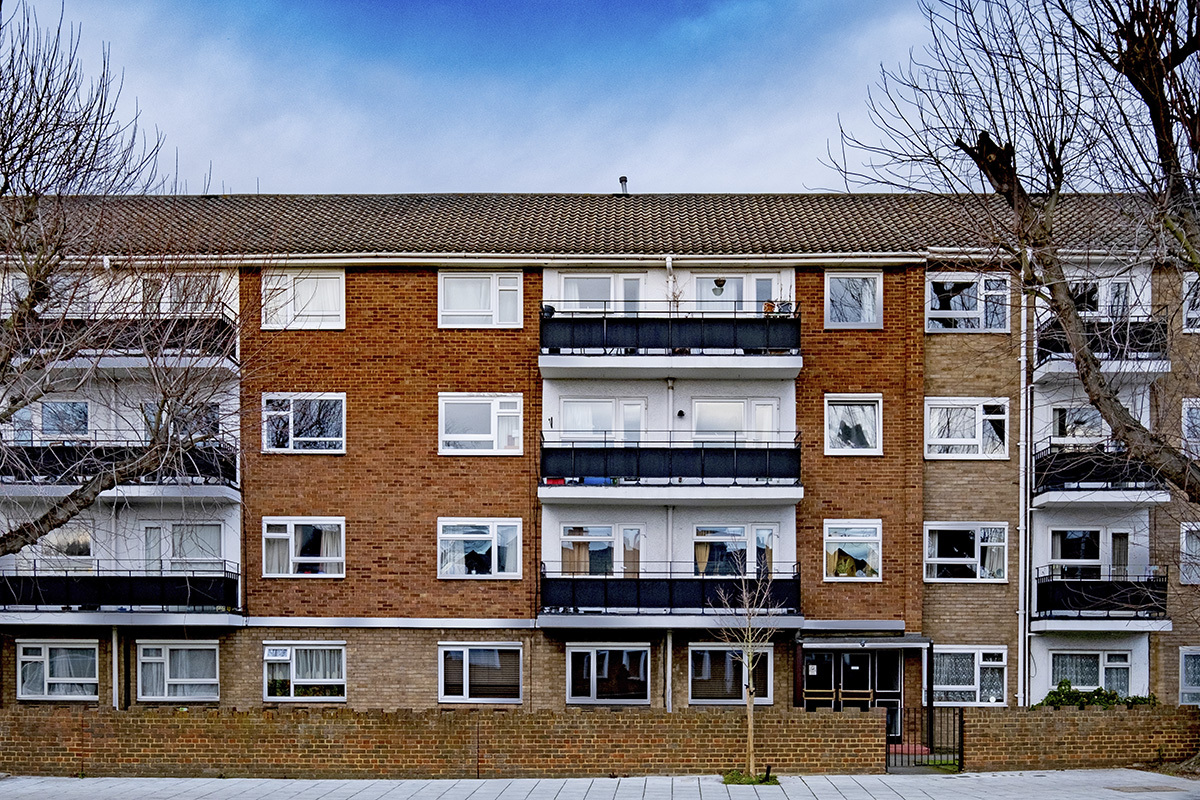
G15 landlords account for almost a third of the total 12-month forecast capital spend, which stood at £4.9bn at the end of the quarter.
The survey also revealed that annual spend on development took a slight dip – from £13.6bn last year to £13.5bn in the year to March 2026.
Development expenditure is concentrated in a small number of housing associations, the regulator said, with six registered providers each reporting expenditure of over £400m in the year.
Spending in the quarter – totalling £3.5bn – was 19% below the total forecast, with landlords attributing underspends to delays with planning applications and legal works, issues with utility connections, and adverse weather conditions.
For the next 12 months, development spend is expected to edge up to £15.1bn. This is the fourth consecutive quarter where development forecasts have increased.
The number of providers reporting an impairment charge is expected to drop, with 59 (30%) landlords anticipating reporting a charge in their 2025-26 accounts. This compares with 75 in the previous year and 66 in 2023-24.
The total anticipated impairment charge is £375m in providers accounts for the 2025-26 financial year, of which £257m relates to social housing assets. The £375m figure would be down from the previous year’s total of £407m.
Will Perry, director of strategy at the RSH, said: “We will continue to actively monitor treasury management and exposure to interest rate risks across the sector. It is vital that providers always maintain strong liquidity and secure funding.
“We will maintain close engagement with organisations showing signs of financial pressure, particularly where cashflows rely on asset sales for loan covenant compliance.
“Where necessary, we will reflect our findings in regulatory judgements to ensure transparency and accountability.”
Will Perry is speaking at Housing 2026, taking place 23-25 June. Find out more below











Leave a comment