
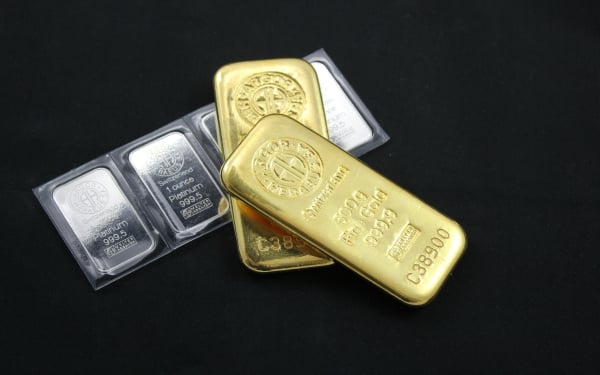
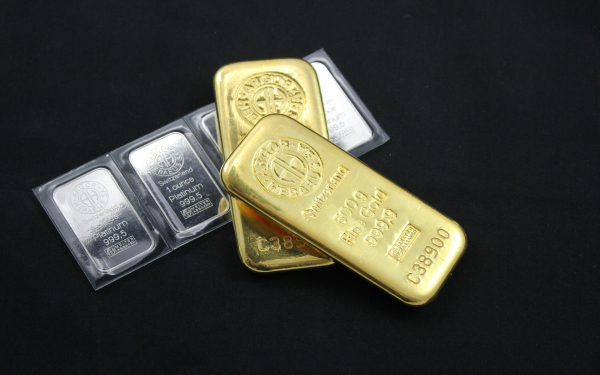
The first quarter of 2026 delivered a stark contrast in global asset flows. While speculative capital chased Bitcoin’s latest rally past $26,000, China was moving metal—literally. Fresh customs data reveals the country imported physical silver and gold in March at volumes that aren’t just record-setting; they are historically anomalous.
China’s silver imports hit 836 tonnes in March, a 78% month-on-month surge that stands 173% above the ten-year seasonal average. Gold imports reached 162 tonnes, the highest monthly tally since March 2024. In a market conditioned to incremental shifts, this was a vertical move.
The Silver Squeeze: Solar Panels and Retail FOMO
The silver import numbers tell a story of two overlapping demand shocks. On one side, retail investors are treating silver as “poor man’s gold.” With spot gold anchored near $4,750 per ounce, silver at roughly $78 per ounce offers a psychologically accessible entry point for household savers seeking a hard-asset hedge.
But the bigger, more structural driver lies in industrial policy. Chinese solar manufacturers—responsible for the lion’s share of global panel production—engaged in a frantic inventory build ahead of the April 1 expiration of export tax rebates. The solar sector consumes about 20% of annual global silver supply, and when Chinese module makers front-run policy changes, the physical market feels it immediately. A chart published by The Kobeissi Letter shows March imports spiking almost vertically, dwarfing any previous monthly print. Mine supply, slow and inelastic, cannot respond to this kind of concentrated offtake. The physical squeeze in silver is real and deepening.
Gold: Seventeen Months of Silent Accumulation
The gold side of the equation is less volatile but arguably more consequential. March’s 162-tonne import figure marks the third straight monthly increase and brings the year-to-date total to roughly 365 tonnes.
More telling is the behavior of the official sector. The People’s Bank of China added 5 tonnes to its reserves in March—the largest monthly addition since February 2025—extending its consecutive buying streak to 17 months. China’s declared gold holdings now stand at a record 2,313 tonnes.
The trendline is unmistakable: after a lull, Chinese gold imports pivoted higher in late 2025 and have accelerated into the first quarter of 2026. Far from pivoting away from bullion, China is doubling down. Central bank purchases are particularly potent because they are price-insensitive and effectively permanent. Gold that enters a vault in Beijing does not return to the London or New York market. That steady drain on available liquidity, combined with sluggish mine output growth, creates a structural tailwind that ETF flows and futures positioning cannot easily offset.
Divergent Narratives, Converging Fundamentals
The current market mood is schizophrenic. Crypto is pumping, and precious metals are treading water—gold near $4,750, silver around $78. But the fundamental backdrop hasn’t been this constructive in decades. China is stockpiling both metals at record velocity. The global silver deficit is projected to widen again this year. Central bank buying is running at a pace not seen since the collapse of Bretton Woods.
The West is trading narratives; the East is accumulating tonnage. For long-term investors, that distinction matters. When the speculative froth in digital assets subsides, the physical tightness quietly engineered by Chinese importers and the PBOC will still be there. Prices may be resting for now, but the data suggests the next sustained move in precious metals is a question of when, not if.












Leave a comment